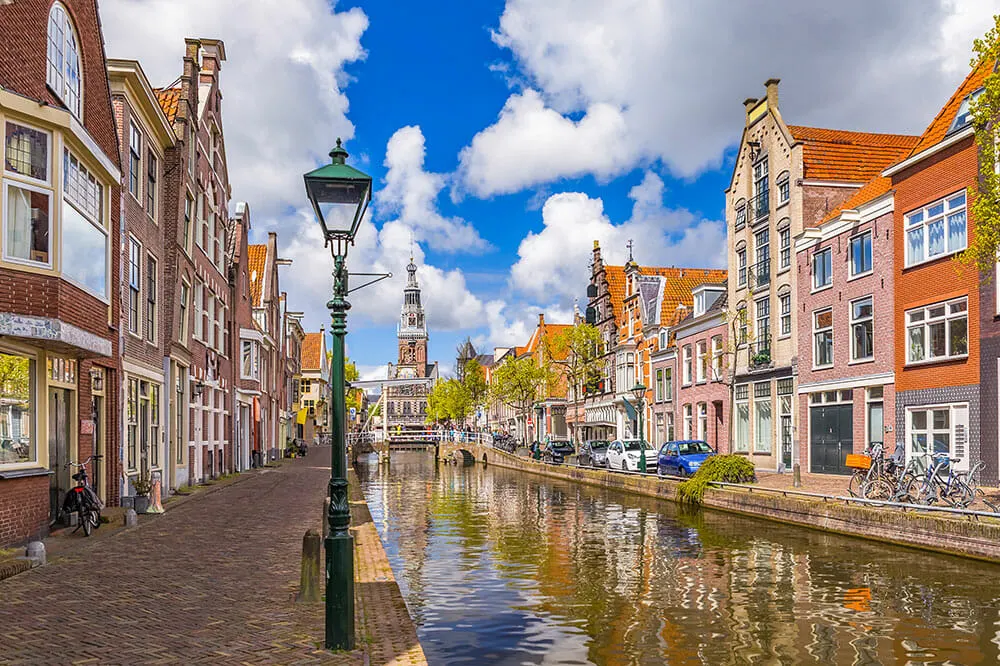
The Netherlands is the largest territory of the Kingdom of the Netherlands. One of the richest states in the European Union where some of the most beautiful urban centers in the world were built.
Let’s get to know the following selection with the most beautiful towns and cities in the Netherlands, including their traditions, history and gastronomy.
1. Giethoorn
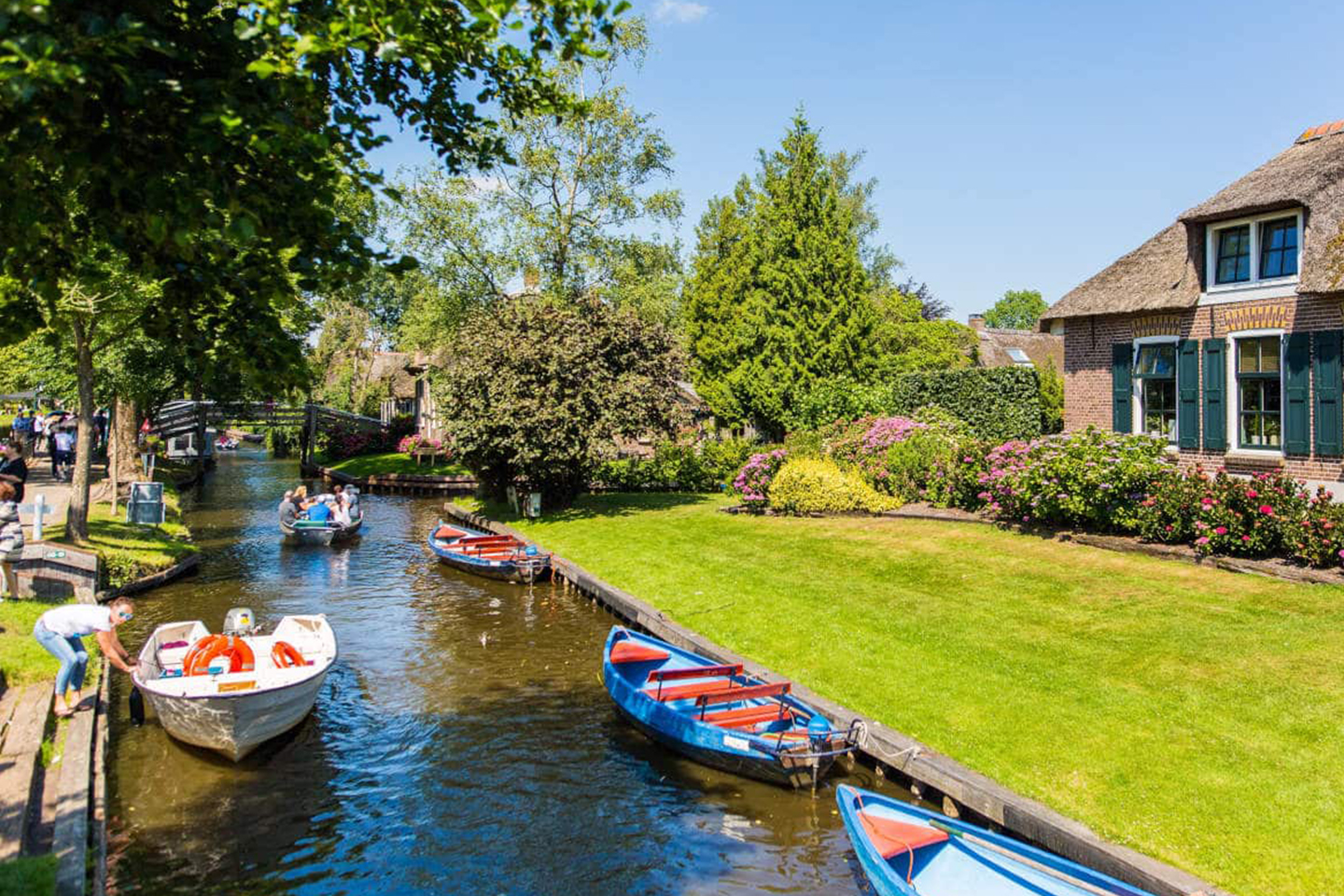
Town in the province of Overijssel of 2,800 inhabitants in the north of the Netherlands, with houses and buildings connected by small bridges. It has almost no vehicular traffic, its means of transportation being boats in the water and bicycles on land.
Known as “Dutch Venice” is made up of 3 staggered neighborhoods. It was founded by peat miners who developed their own craft, the Gieterse punter, now a symbol of local sailing.
Among its places of interest is the Weerribben-Wieden National Park, which is home to the largest peat bog in northwestern Europe. Its mosaic of landscapes includes lakes where water sports are practiced, canals, ditches, swamps, fields, meadows and reedbeds.
Operators offer tours through the town and its surroundings. It also has an Automobile Museum despite the scarcity of land motor vehicles.
2. Delft
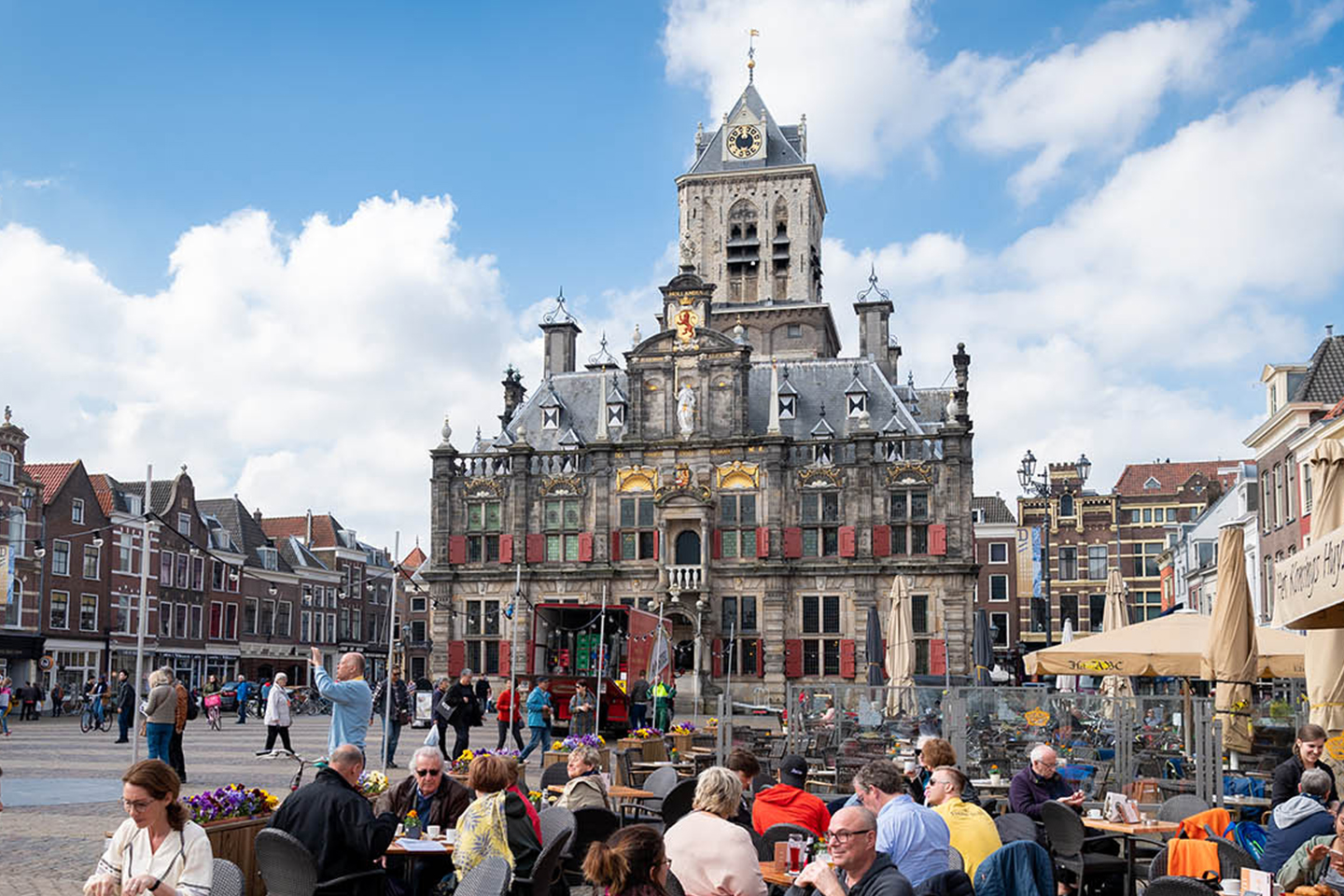
Colorful Delft is one of the most beautiful cities in the Netherlands and Belgium. It’s 12 km south of The Hague and 17 km northwest of Rotterdam, making it a fantastic day trip from both cities.
The city founded in the 13th century is known for its ceramics. He has had strong ties to the royal family of the Netherlands since William of Orange took up residence there in 1572.
The Dutch East India Company began to supply the wealthy classes with expensive Chinese porcelain from the 17th century and to offer the public a more accessible product, Delft pottery was developed, high-quality glazed pottery with refined decorations on vases. , dishes and tiles.
Delft’s Old Church was built in the 13th century with its tower leaning due to the inconsistency of the terrain. The new church was completed at the end of the 15th century and its almost 109 meter tower is the second tallest in the Netherlands. It houses the pantheon of the royal family of the Netherlands.
3. Amsterdam
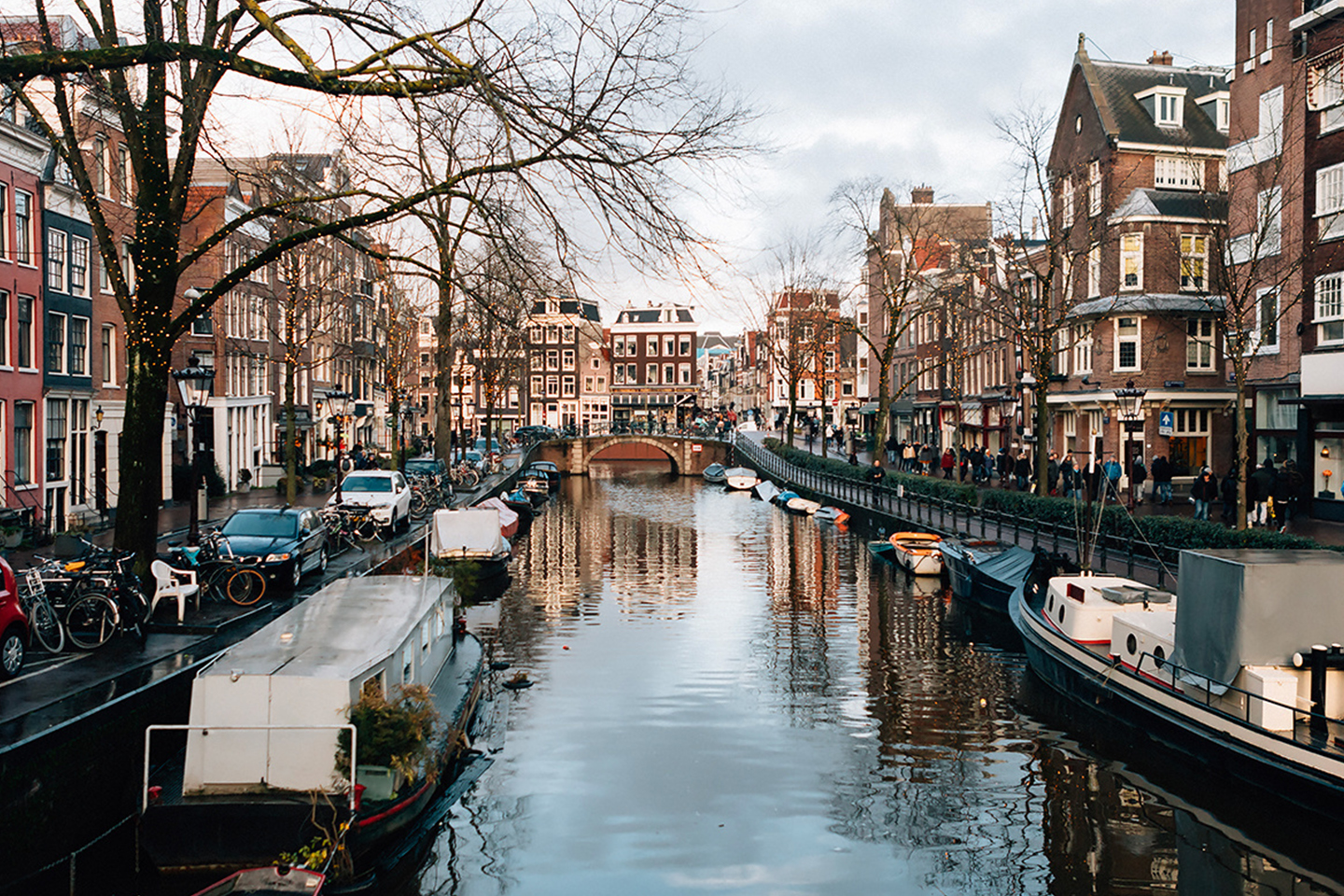
The national capital is one of the most beautiful cities in the Netherlands with its canals, emblematic neighborhoods, houses, temples and interesting museums.
Arriving in the “Venice of the North” you must walk through several of its 160 channels that separate about 90 islands and that are crossed by about 1,500 bridges. The most famous canals are Herengracht, Prinsengracht, Keizersgracht and Singelgracht, all from the 17th century.
The Red Light District is famous for its history, architecture and cultural life, but above all for its freedoms regarding sex, diversity of sexual orientations and drugs. It is in the historical center of Amsterdam in an old residential area of fishermen.
The cultural spaces of the city are headed by the Rijksmuseum Museum, with the most complete collection of Flemish painting of the “Golden Age”.
The Anne Frank House, the Van Gogh Museum and the Stedelijk Museum, dedicated to modern and contemporary art, are other essential cultural venues in the Dutch capital.
The excellent means of transport and tourist services in Amsterdam allow you to comfortably carry out any excursion to other destinations in the Netherlands and Europe.
4. Amersfoort
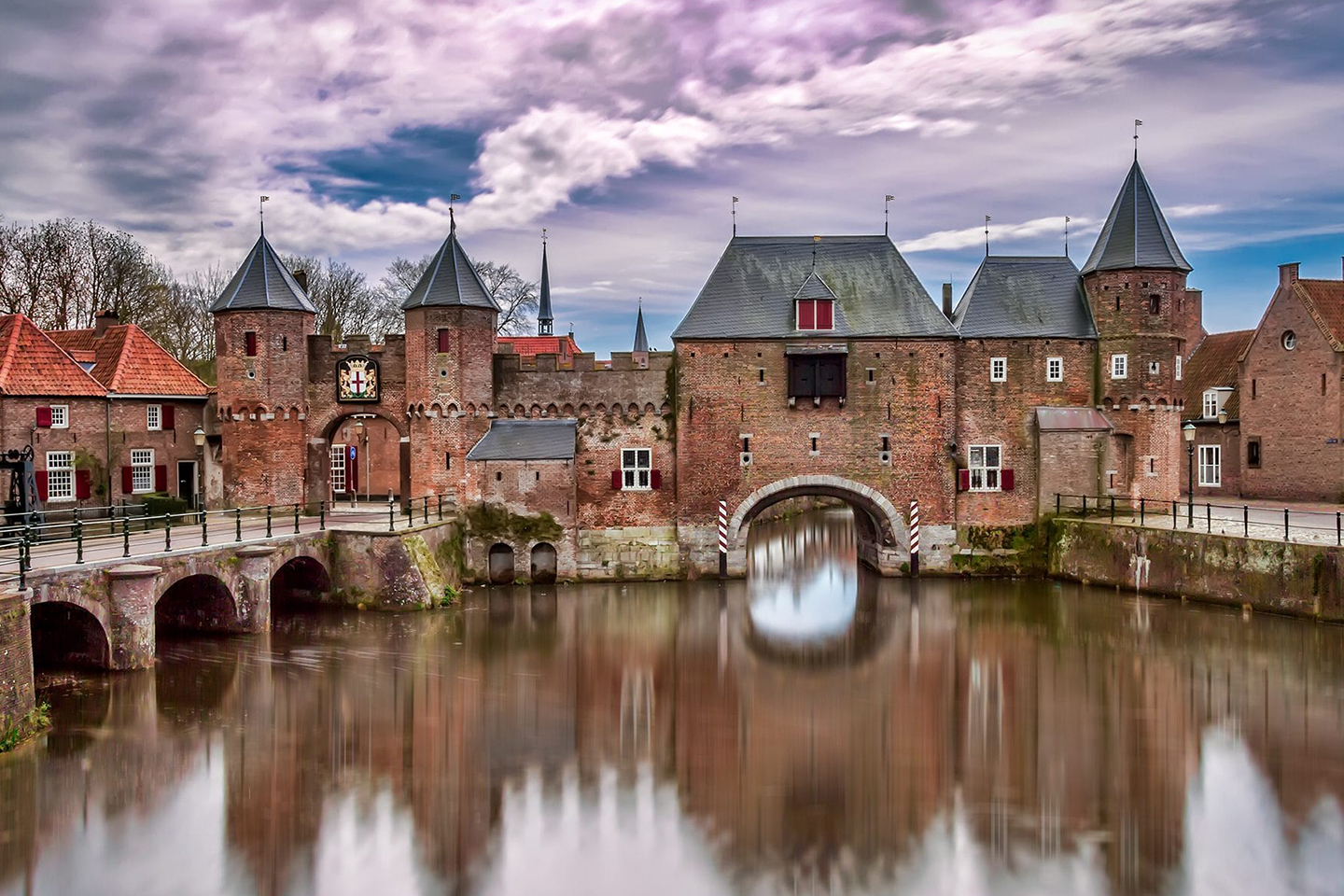
Among the cities in the Netherlands, Amersfoort is one of the ones that best preserves its old town as it was in the Middle Ages.
At that time, the town in the province of Utrecht was prosperous thanks to its textile industry and its breweries, wealth that increased from the 18th century with tobacco.
It is known as the “city of stone” (Keistad) because of a huge rock (the Amersfoortse Kei) dragged into town by 400 men who made a noisy bet in 1661. After being buried by locals, it was recovered in 1903 as a monument and attraction.
Near the town there was the Amersfoort Concentration Camp, which held 35,000 prisoners during the Nazi period.
The Koppelpoort is a beautiful medieval gate that was a river and land defensive element in the second city wall.
The “wall houses” (muurhuizen) were erected on the land where the first defensive wall was located.
The painter, Piet Mondrian, was born in Amersfoort in 1872. His birth house is now a museum about his life and work.
5. Gouda
Among the cities in the Netherlands, Gouda is one of the best recognized for its cheese.
The popular dairy for which the town is famous is sold in many places, but the most important is the Gouda Cheese Market, a street fair that began in 1395.
The farmers still carry their wheels of cheese which they stack on the ground to sell in front of the beautiful town hall building.
Gouda also has a long tradition of making smoking pipes and candles.
The Night of the Candles is an event celebrated in mid-December in which all electric lights are turned off, leaving the city illuminated only by candles.
The stadhuis or town hall in front of the market square is one of the most beautiful and oldest Gothic buildings in the Netherlands, whose stone construction dates from 1450 with restorations in 1692, 1880 and 1996.
Another monument in the square is the waag or public weight, a building from 1668 where cheeses were weighed.
6. Arnhem
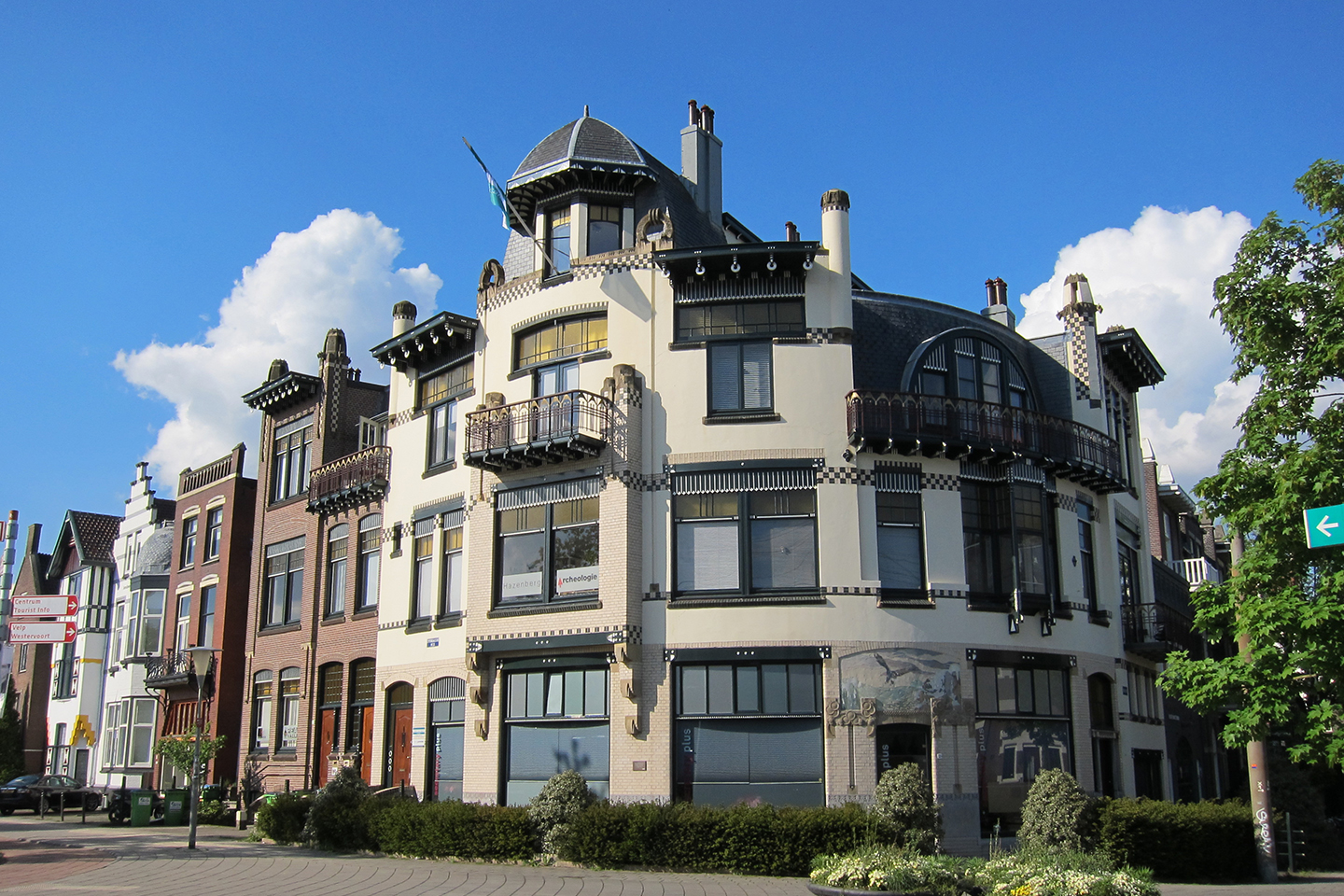
Small and welcoming city, capital of the province of Gelderland in the eastern Netherlands, surrounded by beautiful natural spaces such as the Hoge Veluwe National Park and the Veluwezoom National Park. It is one of the best Dutch areas for hiking.
It is located on the banks of the Rhine with several bridges that connect it with the interior of the country, including one that marked the failure of Operation Market Garden during World War II.
The Allies mobilized 100,000 soldiers to seize the main river bridges in the German-occupied Netherlands, failing to take Arnhem.
The city has the Dutch Open Air Museum made up of 80 typical houses, mills and farms, showing how the Dutch people lived in the past.
Visitors are greeted by the blacksmith, the miller, the wheeler, the fisherman and various farmers, who make the experience more real.
The Water Museum is a modern space that shows the importance of the liquid for humanity and for the country. It includes an exhibition on the famous Dutch dikes.
7. Alkmaar
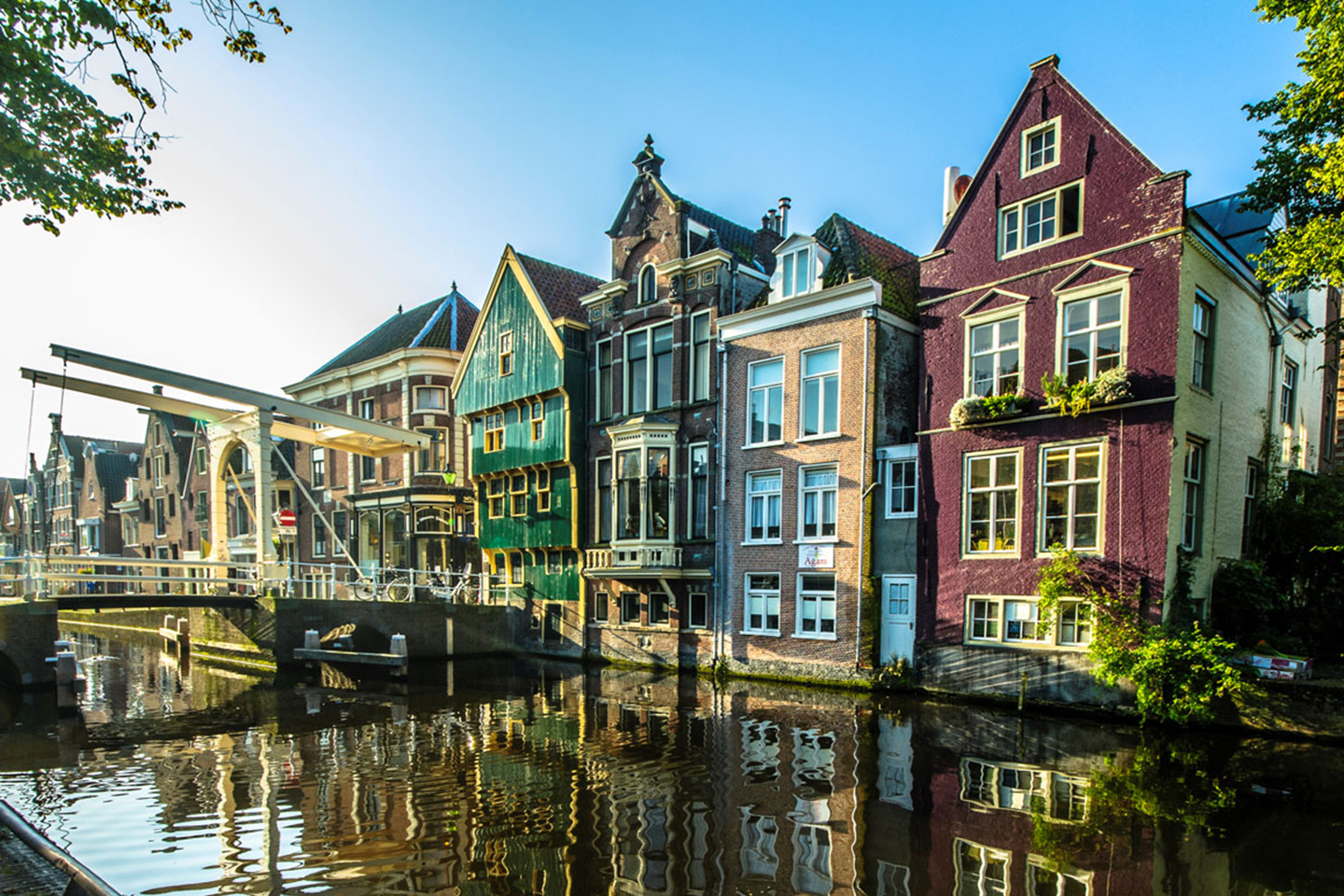
The Alkmaar cheese market is one of the 4 traditional ones that remain and is a popular tourist attraction in the country.
It is a ceremony held in front of what was the Casa del Peso, in which it is shown how cheese was sold in the past. After the ancient greeting of the participants with a clap of hands, the units are weighed, displayed and sold.
The market begins and ends on the first Friday of April and the first Friday of September, respectively. In front is the area of bars and other entertainment venues of Alkmaar.
The Cheese Museum works on the second and third floors of the Casa del Peso. It is dedicated to the two most famous Dutch cheeses: the Edam sphere and the Gouda flat wheel.
Alkmaar’s Beatles Museum was the first in the world about the famous British band. It has objects that belonged to the group and its 4 famous members.
The Protestant church of San Lorenzo, now in secular use, stands out for its 2 organs, carillon and large bell.
8.Haarlem
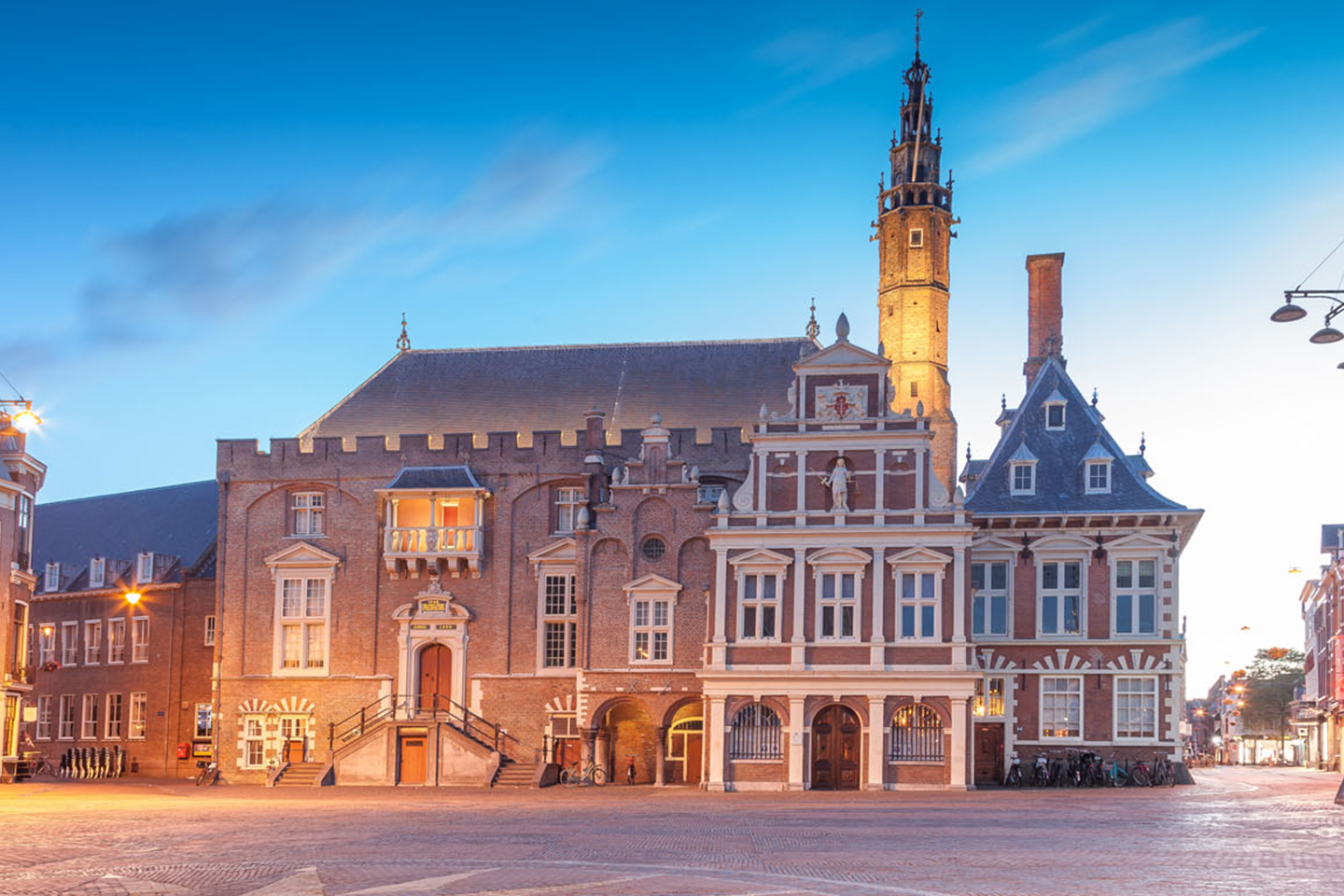
Located 33 km west of Amsterdam, Haarlem is a beautiful city of canals and brick-fronted houses.
The capital of the province of North Holland is near the mouth of the river Spaarne. The Dutch who founded New York gave their name to a famous New York neighborhood.
Haarlem is famous for its hofjes, privately built hospices for old single women. There are currently 19 of them that continue to accommodate older ladies and several are open to the public, especially on weekends.
The Basilica Cathedral of Saint Bavo was built between 1895-1930 for Catholic worship. In the old sacristy there is a museum about Catholicism in Haarlem.
The city is also distinguished by its cultural spaces, particularly the Frans Hals and Teylers museums.
The great Baroque portrait painter (Frans Hals) lived in Haarlem for almost all his life and died there in 1666. The site houses part of his work and that of other notable artists of his time, which is why it is also called the Museum of the Golden Age. .
9. Tilburg
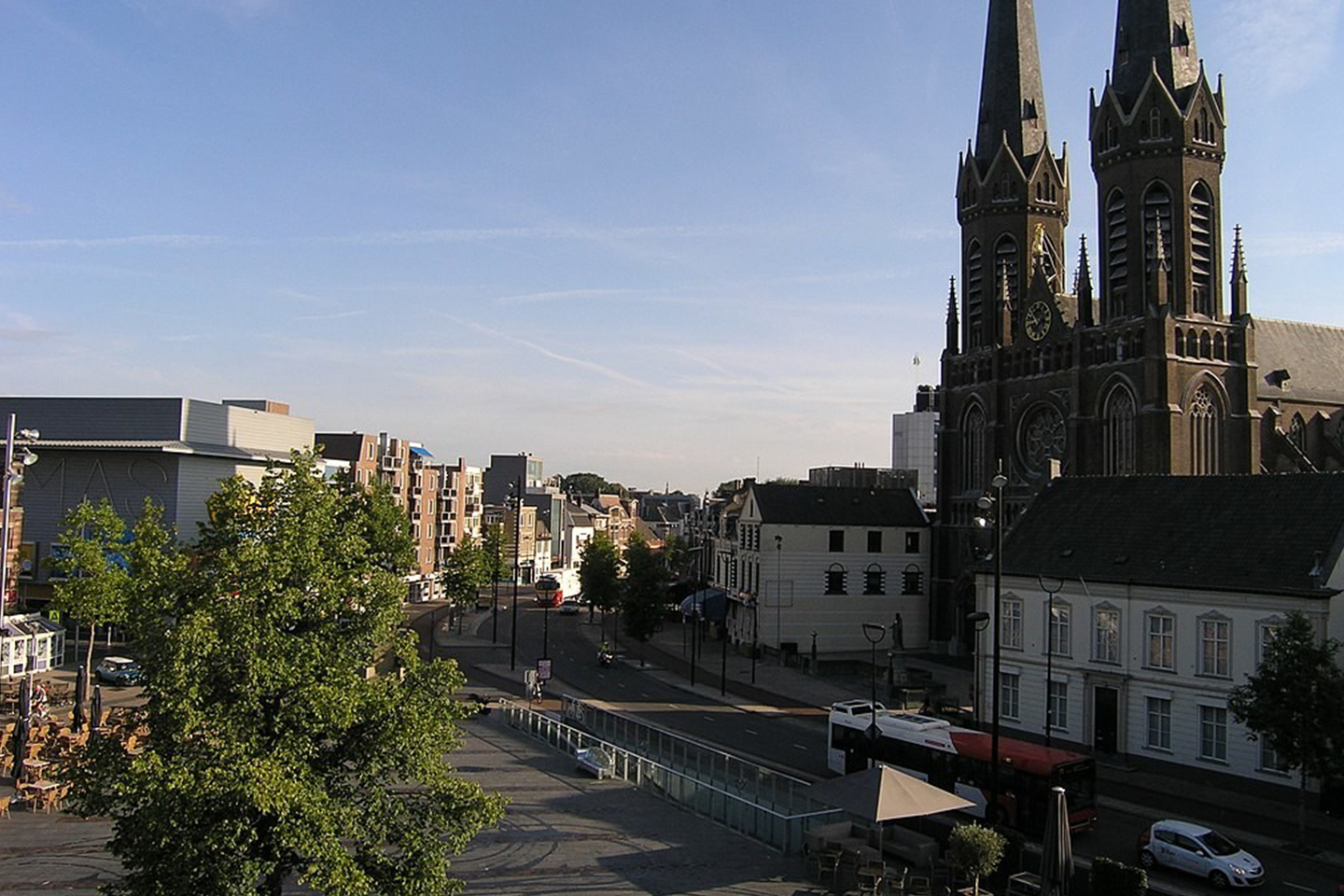
Tilburg or Tilburgo is a city in the south of the Netherlands in the province of North Brabant, called like that since the 17th century to differentiate it from the southern part, currently in Belgium.
It was the natural wool capital of the Netherlands until the 1960s. In the 17th century it had more than 300 manual looms for working with the fiber. In the city is the Textile Museum of the country.
The Efteling, 13 km south of Tilburg and opened in 1952, is the largest and most famous theme park in the Netherlands and one of the largest in Europe with 5.4 million visitors a year.
The Beekse Bergen Safari Park, between Tilburg and Hilvarenbeek, is home to about 1,250 specimens of 150 species, making it the largest wildlife zoo in the Benelux.
Koningshoeven Abbey (The King’s Farms) was founded in 1881 and restored in 2005. Its brewery produces one of only 12 Trappist beers (brewed only in Trappist monasteries) produced in the world.
10. Smooth
This city in the province of South Holland is known for the Keukenhof (Kitchen Garden), also called the Garden of Europe for its beauty and collection of millions of flowers of about 100 species, including the emblematic tulips.
The Keukenhof Castle, the Huys Dever tower and the Black Tulip Museum are other attractions in Lisse.
The Garden of Europe opens in spring when millions of tulips and flowers of different colors create an incredible spectacle. It is a 32-hectare space with windmills, lakes, fountains and walkways integrated into the floral environment, creating one of the most beautiful landscapes in the country and in Europe. It is usually open for 8 weeks between mid-March and May.
The Black Tulip Museum traces the history of the Netherlands from the 16th century to the cultivation of its national flower.
The “tulip mania” became so intense that in 1635 a bulb of the Semper Augustus species was sold for 6,000 guilders, the equivalent of 40 annual salaries of the average worker.
Keukenhof Castle is a 17th-century mansion with turrets and beautiful gardens on an estate in Lisse.
11. Middelburg

Midelburg was founded at the end of the 8th century as protection against Viking attacks. It is the capital of the province of Zeeland, in the southwest of the Netherlands, almost completely surrounded by the sea.
Among its attractions are the Zeeuws Museum, the Abbey Tower and the town hall. It is in a 9th century abbey, an architectural symbol of Middelburg. It exhibits a collection of the history of the Zeeland region that includes archaeological pieces, tapestries, paintings, regional costumes and other objects.
The Abbey Tower nicknamed, “Lange Jan”, was built in the 14th century to a height of 90.5 meters. It belongs to the same old religious complex where the museum and the provincial government work.
The town hall facing the market square is a stately Brabantine Gothic building completed in 1520.
The old part of the city was partially destroyed in 1940 in the last actions of the Battle of the Netherlands, during World War II.
12.Groningen
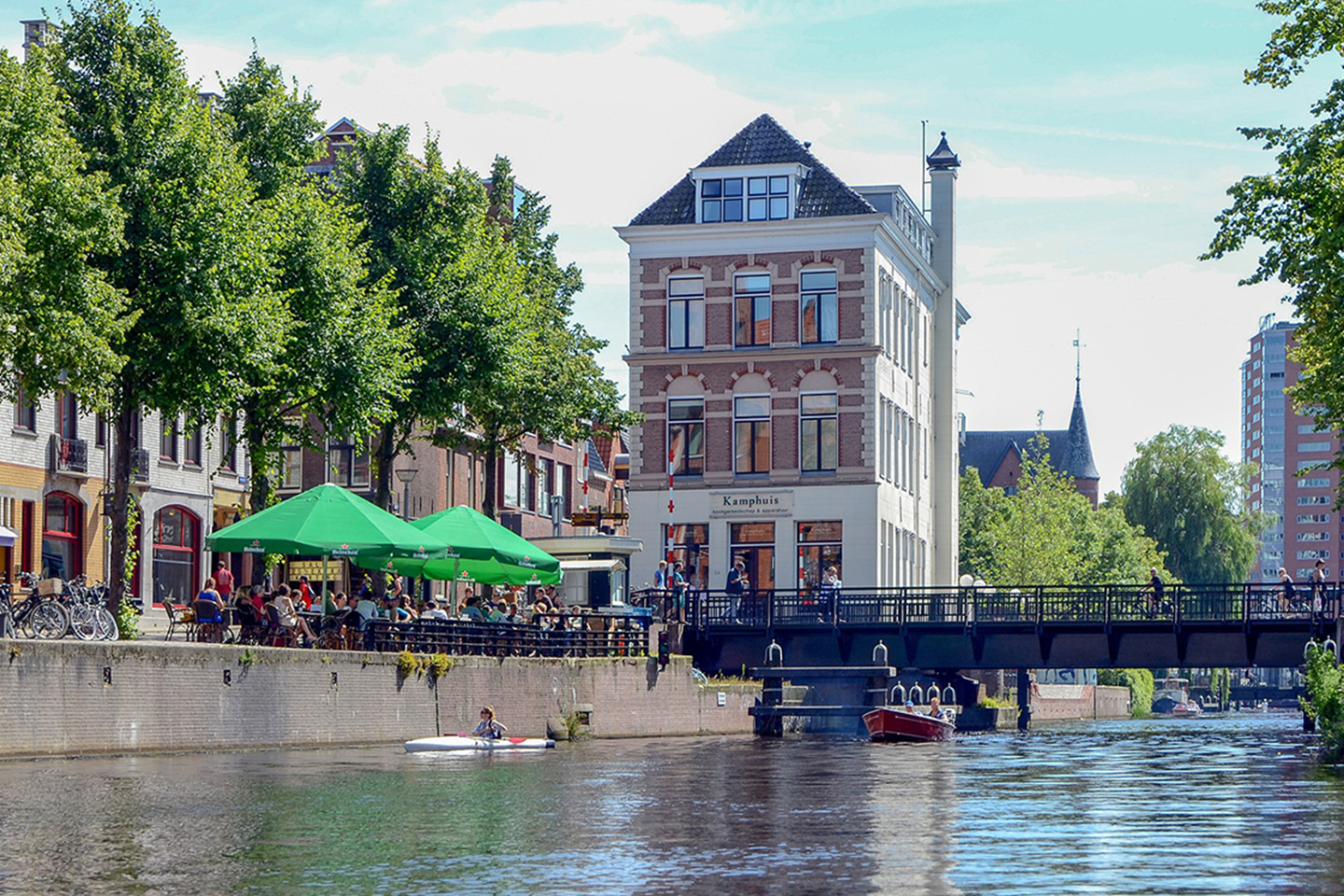
Groningen is the capital of the province of the same name in the north of the country. Called Groningen in Spanish, it belonged to the Hanseatic League (a kind of “European Union” of cities founded in the 14th century) before being a Spanish possession in the 16th century.
Among its attractions are the church of San Martín, the botanical garden, the Maritime Museum and the university, founded in 1614.
The church of Saint Martin of Tours completed in 1482 is one of the most notable examples of Gothic in the Netherlands. It stands out for its 96.8 meter tower erected in 1554 to replace the original one destroyed by lightning. Its greatest relic is an arm that, according to tradition, belonged to Saint John the Baptist, being a pilgrimage center.
The Hortus Haren botanical garden is the largest in the Netherlands. It was opened in 1626 and since then it has a rich botanical collection, lakes, bridges, waterfalls and other elements that also embellish the place.
The Maritime Museum of the North takes a tour of the history of navigation since the Middle Ages, including the construction of boats with different materials.
13.Eindhoven
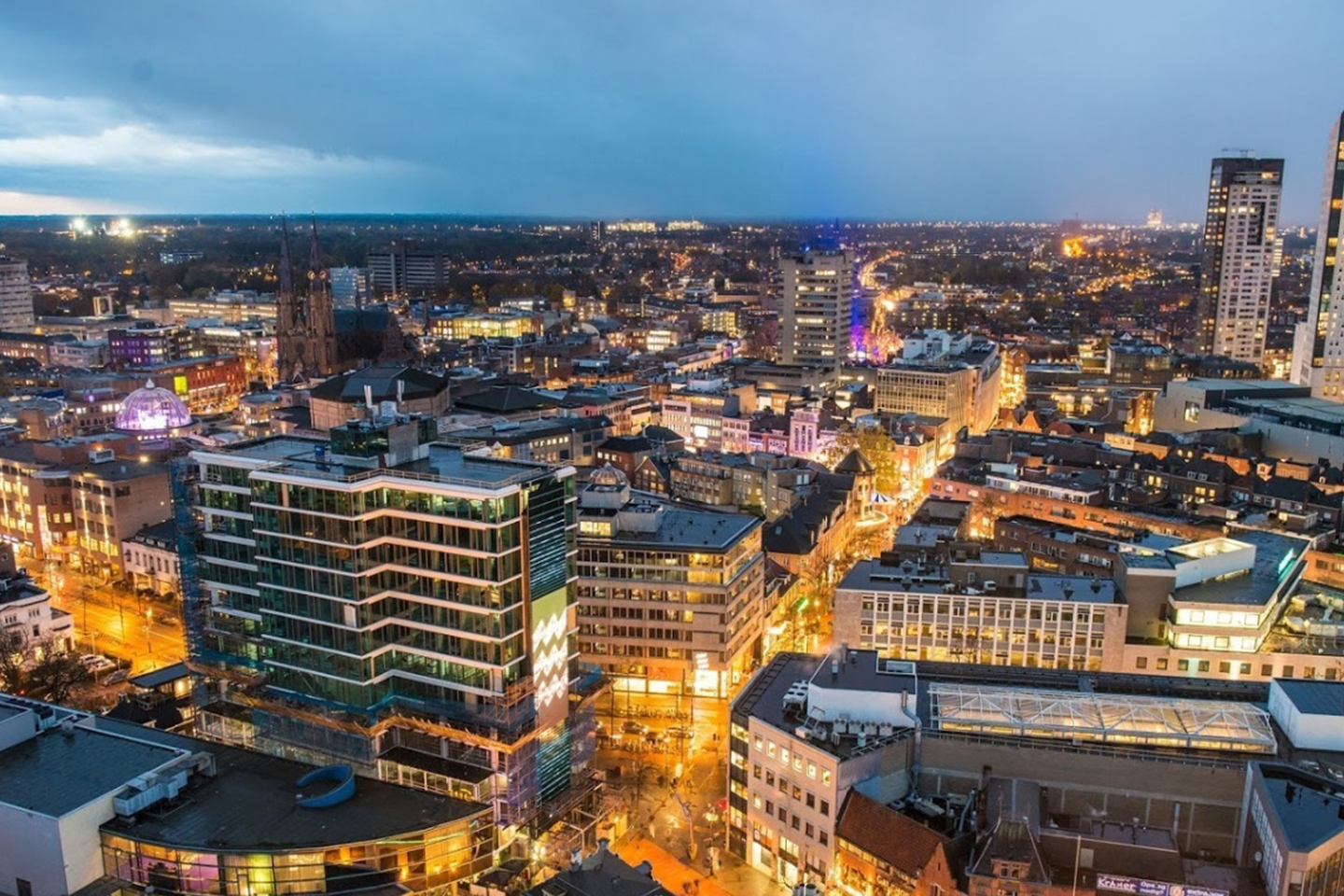
City partially destroyed during the Second World War whose reconstruction did not leave many historical elements.
The economy of the city changed from 1891 when the Philips lighting company was founded, to take advantage of the recent invention of the electric light bulb.
The Philips Museum shows the history of the products manufactured by the brand in lighting, music, communications and health, as well as new developments.
The Van Abbemuseum exhibits the collection of modern and contemporary art made up of more than 2,700 pieces, including works by Picasso and Mondrian, which belonged to the tobacco industrialist, Henri van Abbe.
The trucking company DAF Trucks has its headquarters and main factory in Eindhoven. The setting of its museum (1930) recreates the start-up period of the firm.
The Church of Santa Catalina de Alejandría is a beautiful neo-Gothic monument erected in 1867 and rebuilt after World War II. It has two 73-meter-tall twin towers and a chime donated by Philips staff.
14. Breda
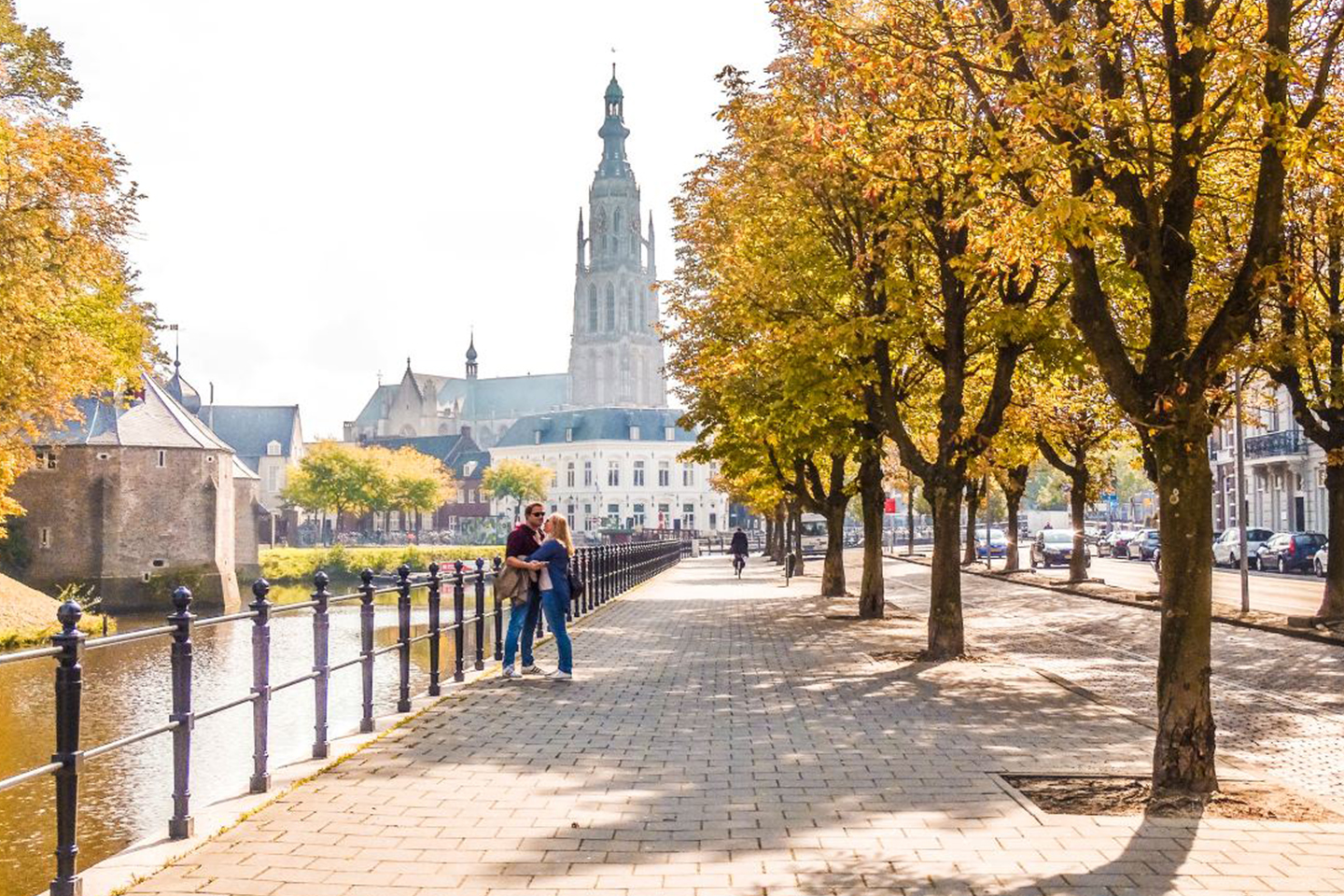
Breda is a beautiful city in the province of North Brabant in the south of the Netherlands, which stands out for its architecture and museums.
It has a beguinage from 1535 made up of houses around a patio with a garden, an orchard of medicinal plants and a chapel.
The Flemish Beguinages are World Heritage Sites, autonomous religious communities dedicated to helping the needy and sick.
The Church of Our Lady (Grote Kerk) completed in 1547 is a magnificent example of Brabantine Gothic.
The Breda Museum exhibits a collection of works of art, ceramics, photographs and toys, including a copy of The Surrender of Breda.
Breda Castle is a medieval fortress converted into a Renaissance palace in the 16th century commissioned by Henry III of Nassau. One of its attractions is the Puerta de Agua between two towers.
15. Lead
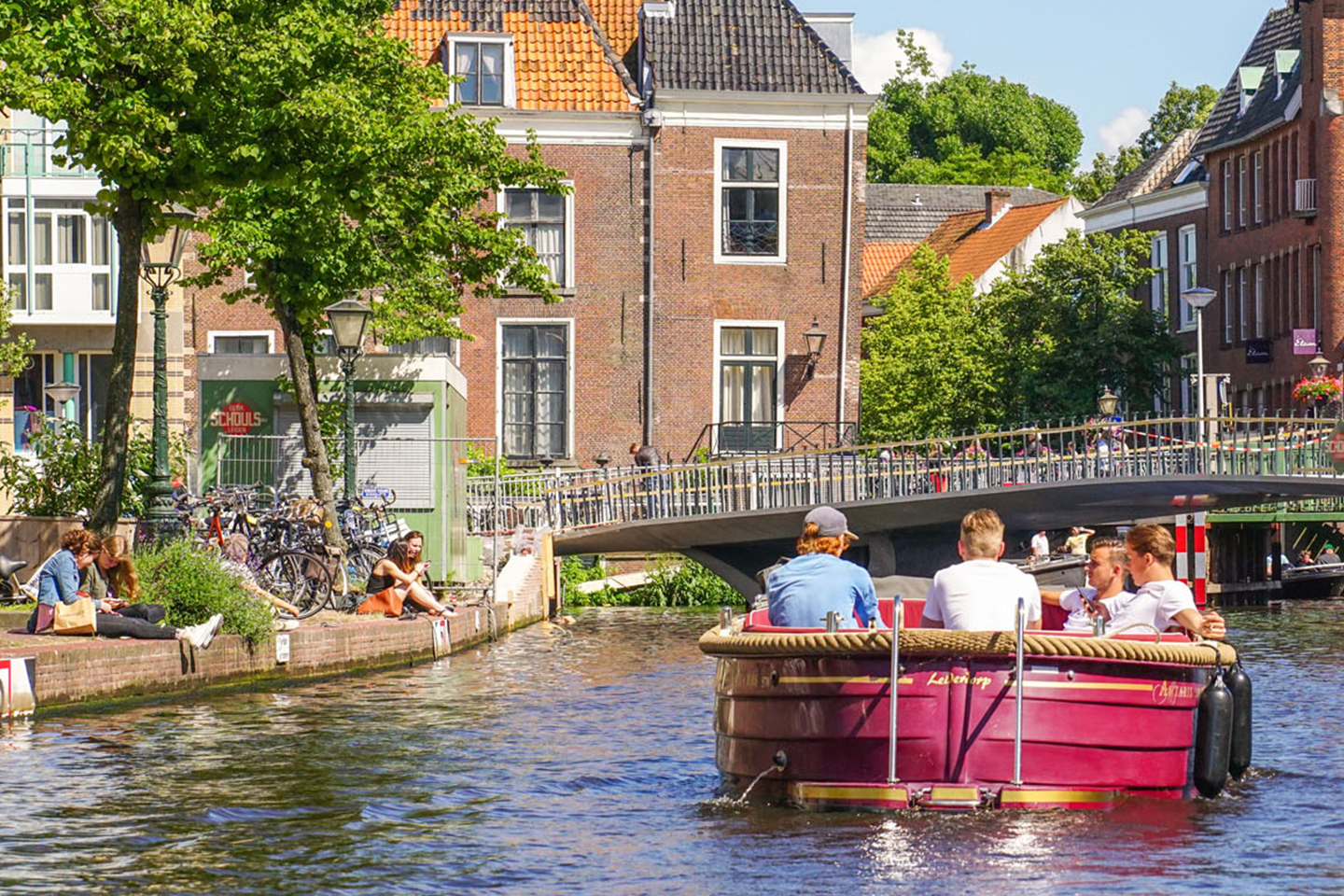
Rembrandt’s hometown is one of the wonders of Holland. It houses the oldest university in the kingdom (1575) which marked a milestone for science when in 1746 he developed the Leiden Bottle, the first electrical condenser in history.
The city is full of cozy donut bars, cafes and secret corners that, together with its university atmosphere, make for a pleasant stay.
Rembrandt was born, spent his childhood, youth, and did his first work in Leiden.
You will be able to visit the places linked to the brilliant baroque master, such as the high school where he studied and the 18th century mansion where he learned to draw, paint and engrave.
The National Museum of Antiquities works in a Leiden manor house facing the Rapenburg canal. It exhibits Egyptian, Babylonian, Assyrian, Hittite, Persian, Greek, Roman and Dutch pieces.
Leiden is crossed by several channels that give it its striking image. The Castle (Burcht) with its circular wall, the entrance gates to the city Zijlpoort and Morschpoort, both from the 17th century; the Church of San Pedro (1315) and the Church of the Highlands, are architectural attractions of the city.
16. The Hague
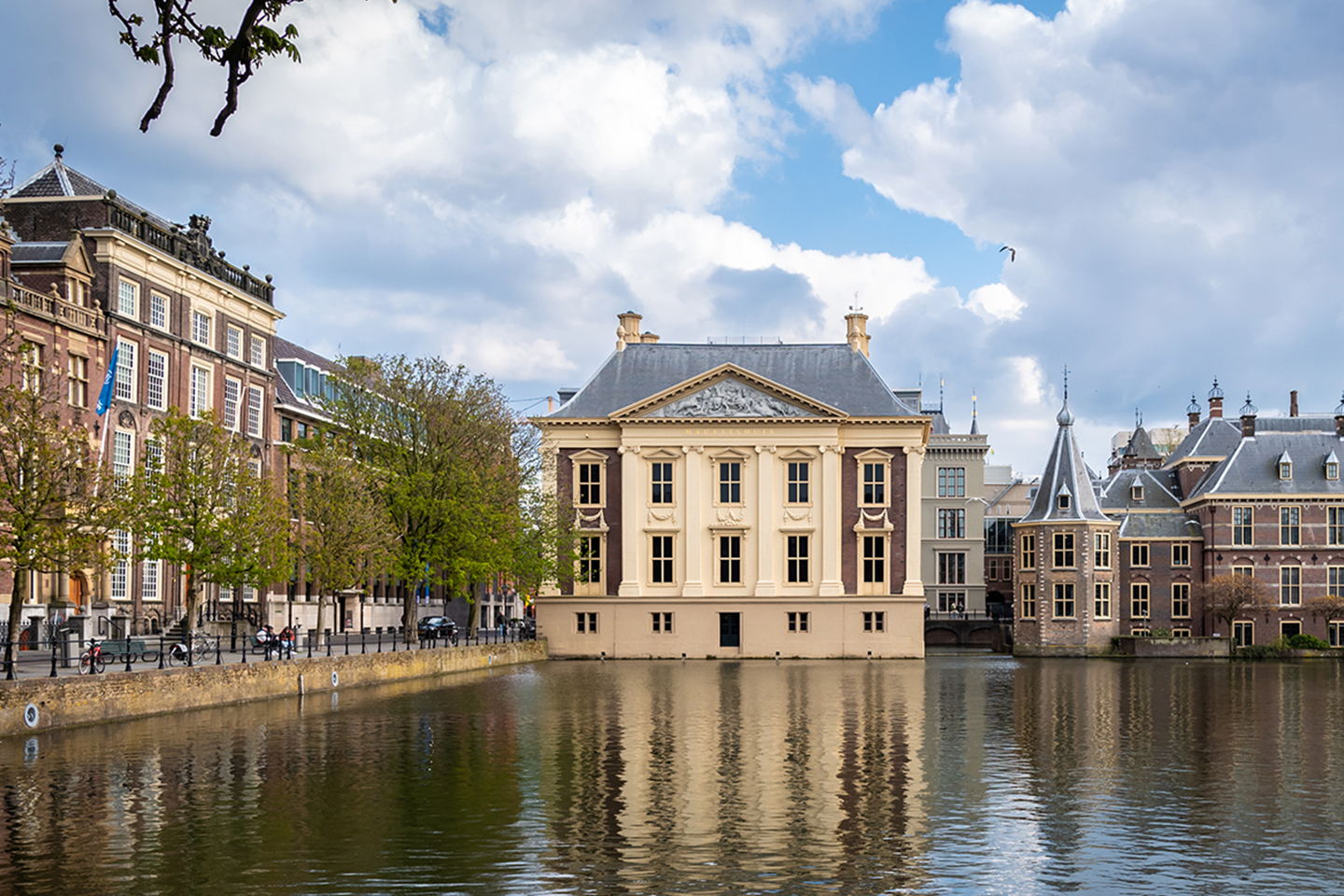
Located 66 km southwest of Amsterdam, the city that is the seat of government but not the capital of the Netherlands, shines in summer with its extensive Scheveningen beach and its promenade full of restaurants where Dutchmen and tourists go to enjoy the iconic local pickled herring.
The Hague is at the head of the cities in the Netherlands and Europe with the greatest weight in world affairs, for being the seat of the International Criminal Court, the International Court of Justice and Europol (police of the European Union).
It differs from other Dutch cities by its wider spaces and more extensive green areas, but with few canals since almost all of them were drained.
The Scheveningen neighborhood went from being a fishing village to a tourist destination. It houses the Museum of the Sea and the famous Kurhaus hotel and casino, opened in 1885.
The architecture of The Hague combines jewels from the past such as the Binnenhof, a 13th-century building where the Dutch congress works, being the oldest parliamentary building in use in the world, with modern skyscrapers such as Het Strijkijzer.
17. Zwolle

Small Dutch city capital of the province of Overijssel on the banks of the IJssel river, a branch of the Rhine, which despite its size is one of the towns in the country with the best quality of life.
It has a beautiful old town, lakes with artificial beaches, parks and a fun nightlife in its pubs.
The Sassenpoort is a guard house of the old town built at the beginning of the 15th century and included in the list of the top 100 Dutch heritage sites. It preserves the holes through which boiling oil was thrown at the enemy.
The Fundatie Museum exhibits a collection of visual arts spanning from the late Middle Ages to the present, including works by Canova, Rodin, Van Gogh and Mondrian.
The Onze Lieve Vrouwe tower, nicknamed El Peperbus, is 75 meters high and has a carillon with 51 bells. The climb is more than 230 steps.
18.Amstelveen
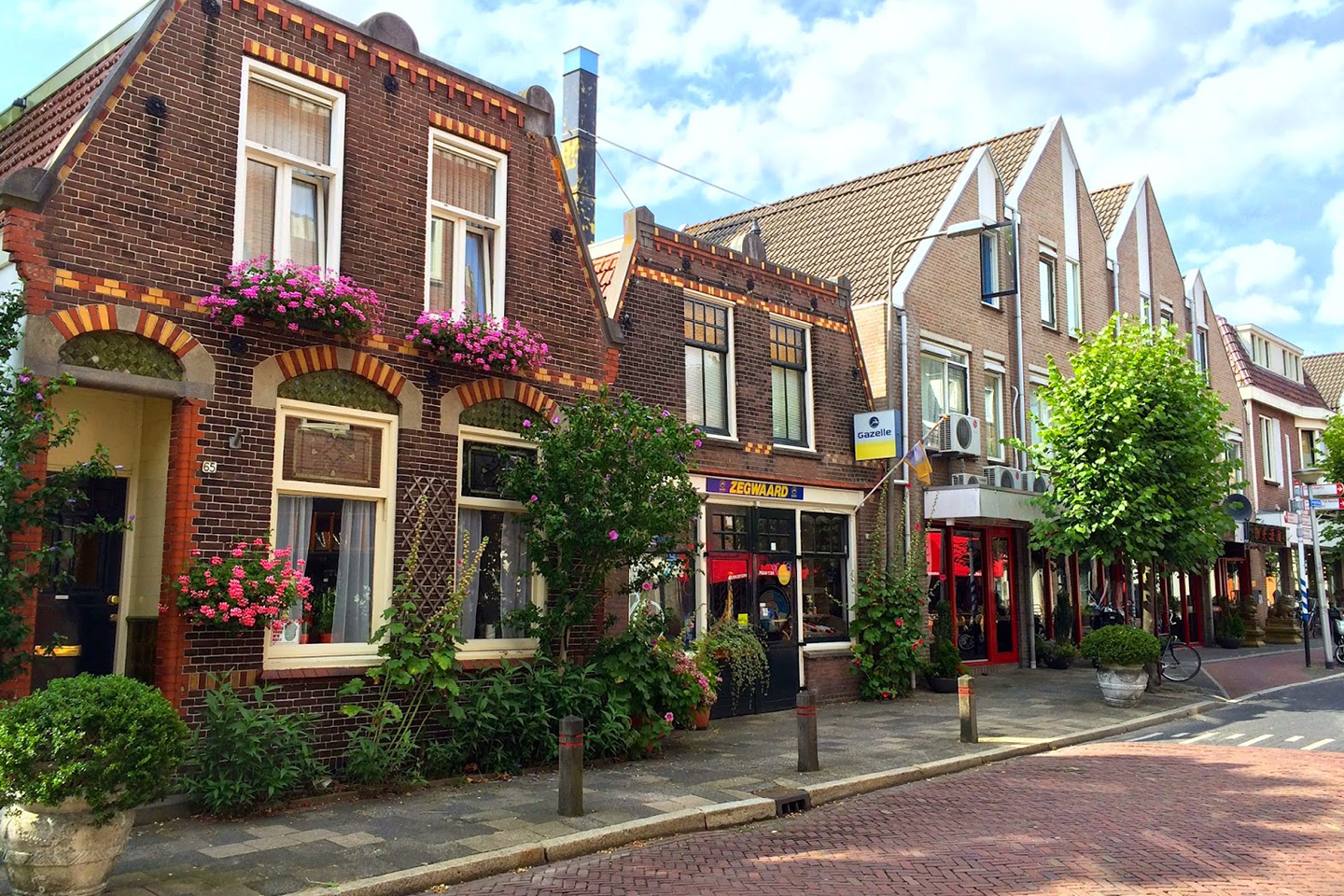
It is located 22 km south of the capital of the Netherlands and 11 km from Schiphol Airport, with easy access to the Amsterdam Forest where there is plenty of outdoor entertainment, including an organic farm with goats, pigs, lambs, cows, horses and chickens. Its restaurant prepares totally organic food.
The Kersenbloesempark is a beautiful park in the Amsterdam Forest known for its cherry trees, which when in bloom are the reason for a beautiful festival.
The Wester-Amstel is a private but publicly accessible estate with a beautiful 17th century mansion.
Amstelveen has several museums such as the Cobra Museum of Modern Art, dedicated to the CoBrA artistic movement that emerged in Paris in 1948, a current that proposed a return to primitive art. His works have an innocent appearance of drawings made by children.
The museum also exhibits work from other post-war Dutch art movements.
19. Denver
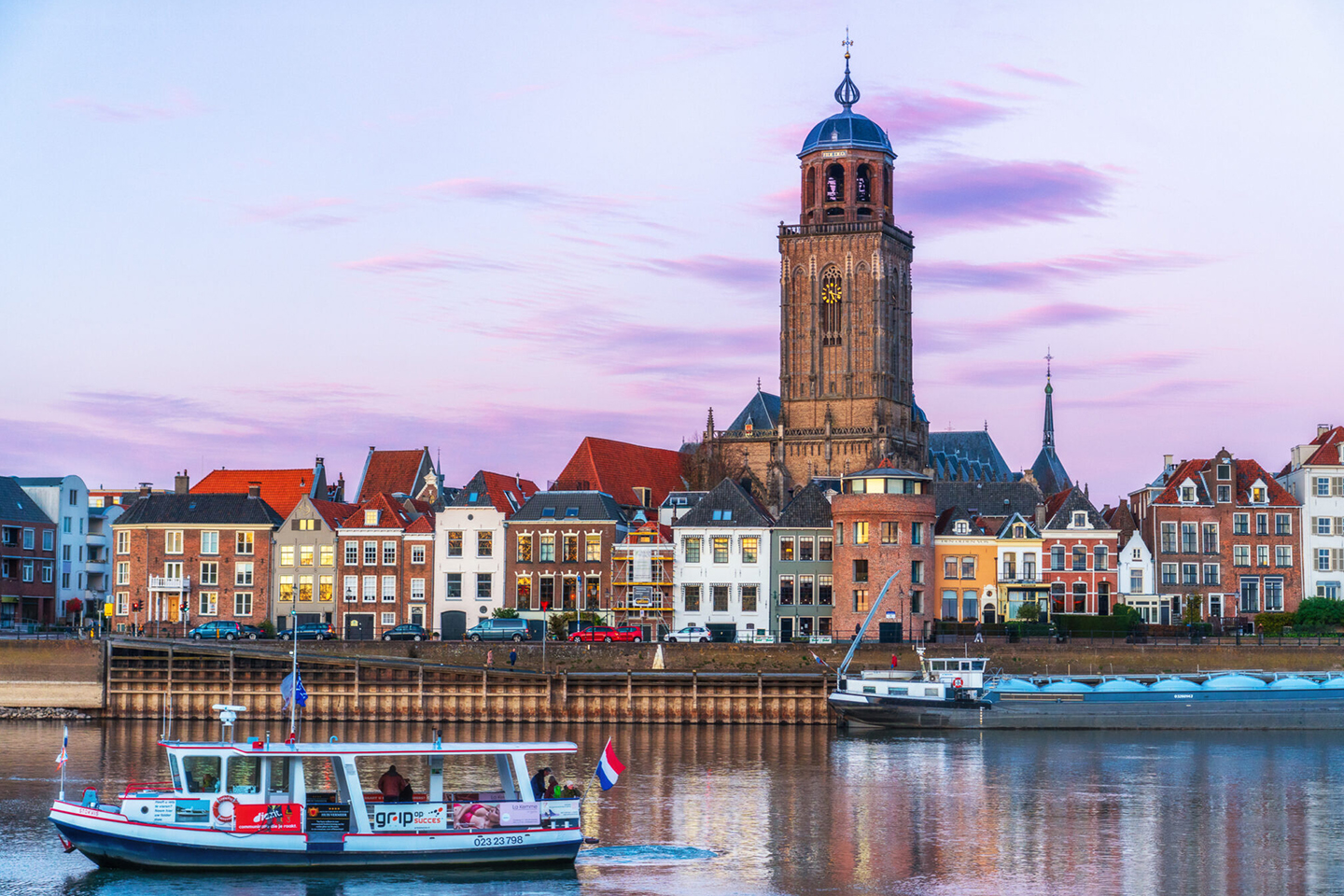
This Dutch city in the province of Overijssel was home to one of the most important Latin schools in Europe, one of its students being the humanist, Erasmus of Rotterdam.
The city founded in the 8th century by the English missionary, Lebuino, who built a wooden temple on the banks of the IJssel river, acquired an industrial profile from the 19th century, which made it a military and bombing target during World War II World.
The Toy and Tin Museum occupies two picturesque 16th century mansions. It exhibits a collection that includes dollhouses built from the 19th century and optical toys that take us back to the days before television and the Internet.
There is also a wide display of transportation toys, from cars to rockets. Children are invited to build things with Lego blocks.
The Church of San Lebuino or Great Church was built in the Gothic style between 1450 and 1525, in honor of the founder of the city and apostle of the Frisians. In 1580 it passed into the hands of the Calvinists and currently belongs to the Protestant community. The tower is municipal property.
20. Maastricht
The capital of the province of Limburg, in the south of the Netherlands, straddles the river Meuse.
One of its most photographed attractions is the statue of Count D’Artagnan, the musketeer immortalized in Dumas’s novel who died in Maastricht in 1673 during the Franco-Dutch War. The bridge of San Servacio rises over the Meuse, the oldest in the Netherlands.
The Basilica of San Servacio is a 13th century temple that stands out for the sculptures on its portals and the altarpieces on the eardrums.
The Basilica of Our Lady of the Assumption is called the “Star of the Sea”. Other Maastricht attractions are its cultural venues such as the Bonnefanten Museum, with collections of ancient and contemporary art.
The Museo al Vrijthof, formerly the Spanish Government Museum, focuses on the history and crafts of the city. It is in the main square in a 16th century building called the Brabant Government Palace and the Spanish Government Palace.
Chateau St. Gerlach is a luxurious country house that can be visited by bike for afternoon tea.
21. The Bosch
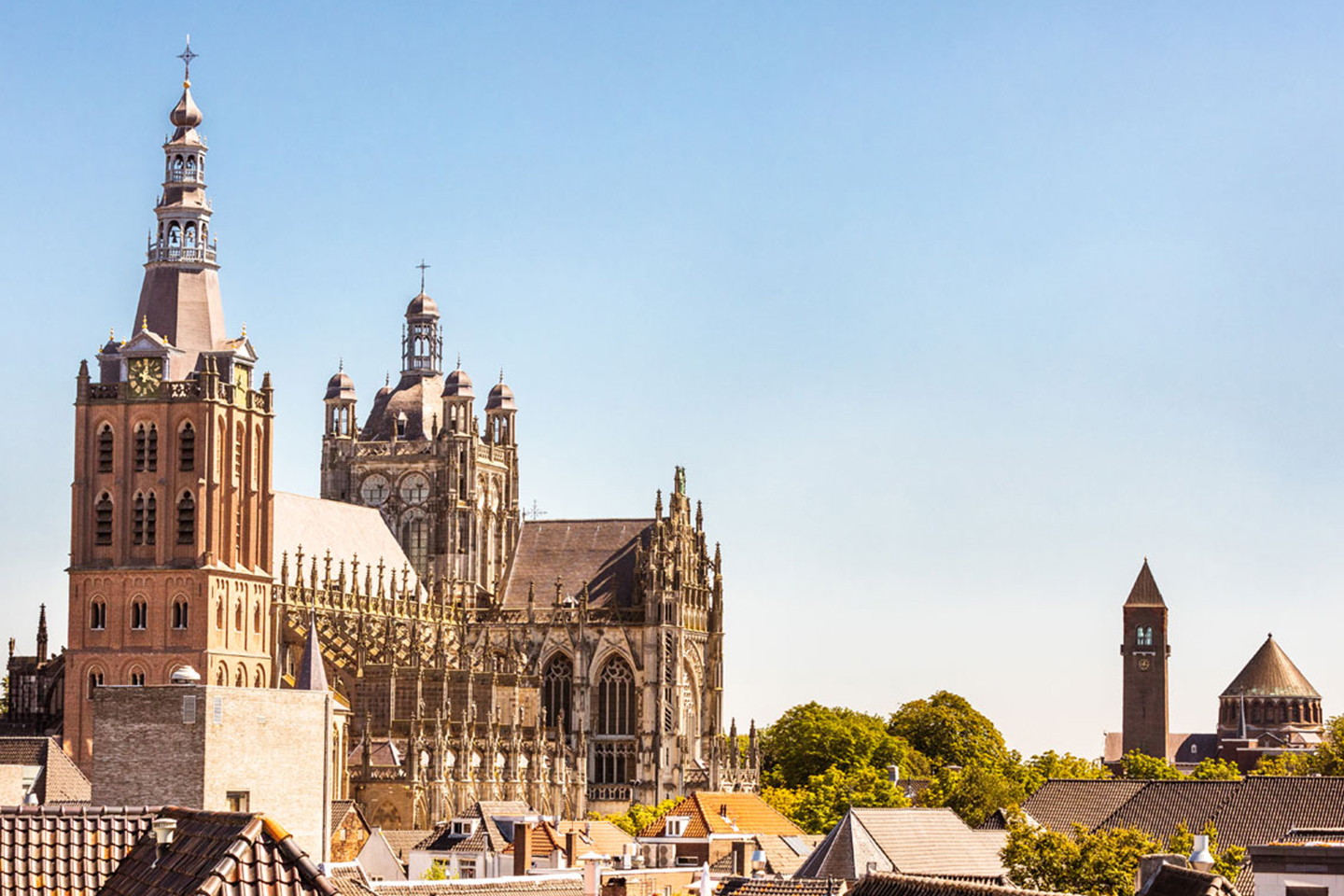
Den Bosch is the capital of the Dutch province of North Brabant. Founded in 1185 in the area where the Aare and Dommel rivers meet, it is one of the oldest medieval towns in the country.
Jheronimus Bosch (El Bosco) was born there and the Art Center that bears the name of the painter houses part of the artistic legacy of the most famous person in Den Bosch.
The city is one of the most beautiful in the Netherlands characterized by its many waterways and brick buildings.
The Noordbrabants Museum is a museum of art, history and culture that operates in the government palace in Den Bosch. It exhibits 9 paintings by the greatest artist born in North Brabant, Vincent Van Gogh.
The Cathedral of Saint John, a majestic monument built between 1220 and 1530 in the Brabantine Gothic style, is the main architectural emblem of the city.
The Loonse and Drunense Duinen National Park, a sandy plain with forests and heaths, is one of the largest drifting sands in Western Europe always frequented by fans of mountain biking.
22. Rotterdam
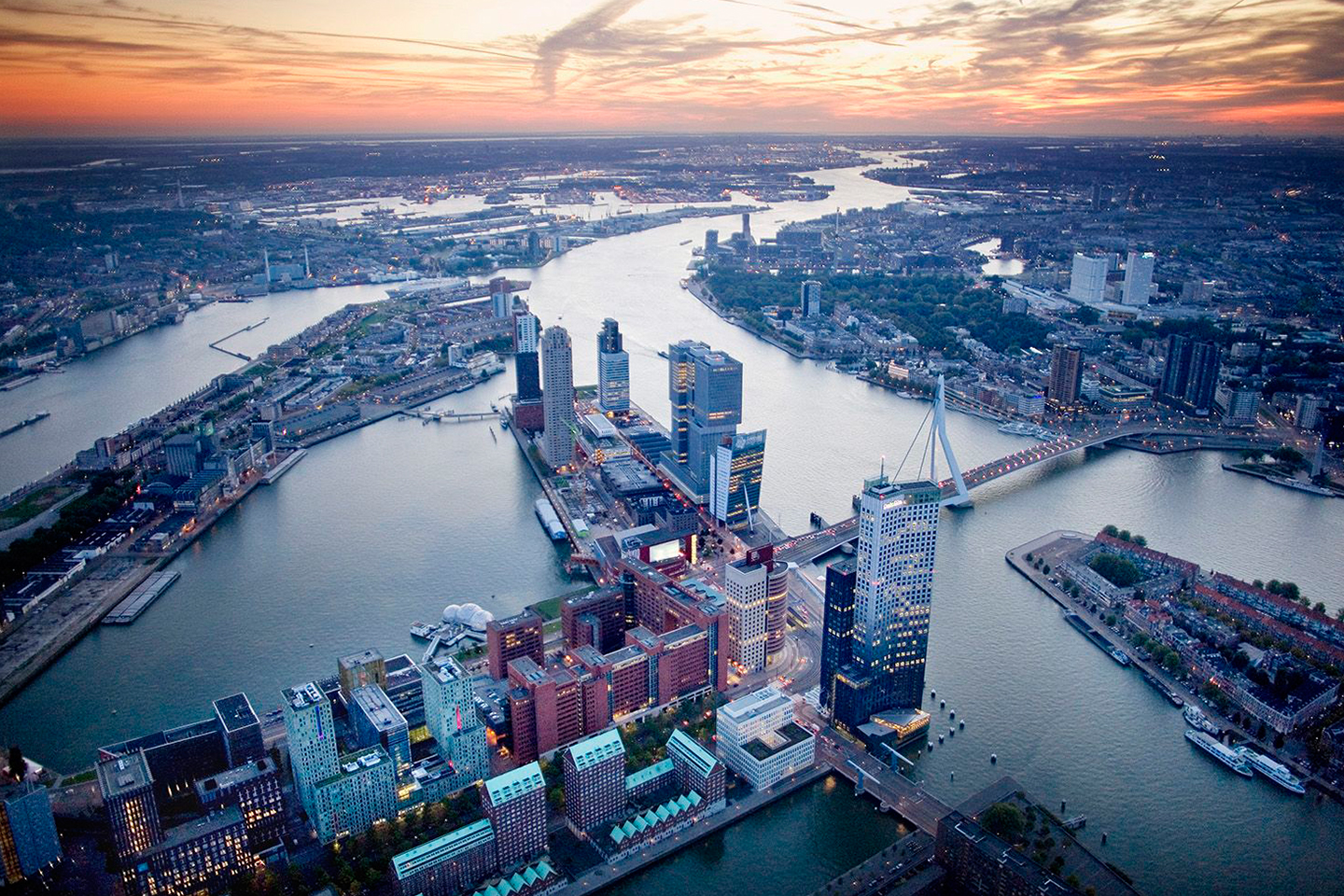
The city with the largest port in Europe, the Europoort, is distinguished by its innovative architecture and its educational and cultural life, spearheaded by the Erasmus University.
It is on the Meuse, 30 km from the sea and connected to the Rhine, which allows it to move the 470 million tons of goods that are transferred annually through the second world port.
The city where Erasmus of Rotterdam was born in 1466 was devastated after the Second World War and was rebuilt giving priority to the construction of new buildings and not to the reconstruction of the previous ones.
The Erasmusbrug or Erasmus Bridge, completed in 1996, is distinguished by its curious asymmetry that earned it the nickname of The Swan.
The kubuswoning or cube houses are another Rotterdam architectural symbol.
People of more than 170 nationalities live in the city, so you will find anything you want to eat, no matter how strange it may seem.
Rotterdam has restaurants of all cuisines in the world, although national gastronomy has a privileged place with rijsttafel (rice with meat and vegetables), erwtensoep (pea soup) and kibbeling (battered cod with garlic sauce).
23. Leeuwarden
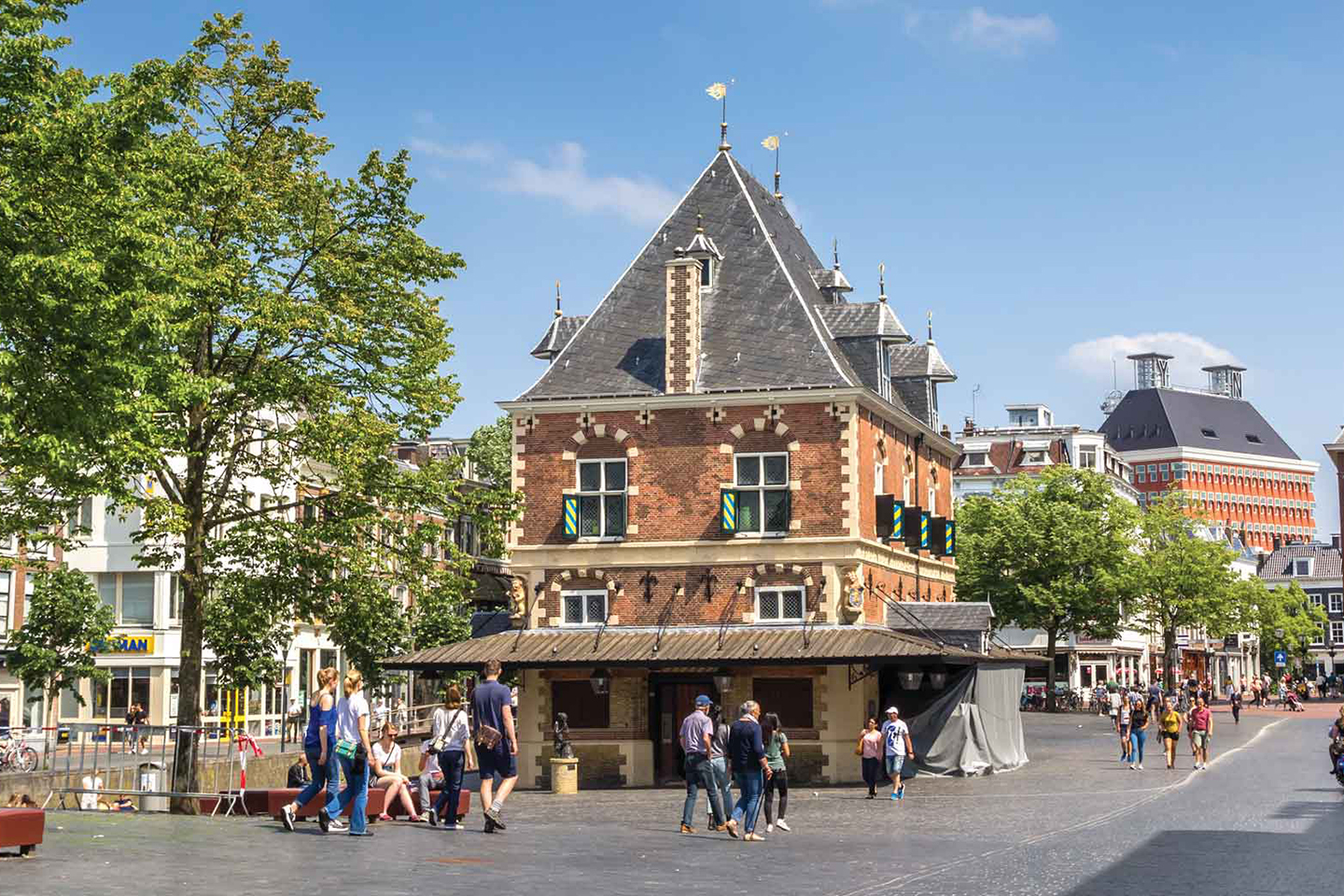
Fans of the femmes fatales can visit and photograph in Leeuwarden the small statue dedicated to one of the greatest icons of the genre: Margaretha Zelle, known as Mata Hari.
The famous exotic dancer was born in the city in 1876 and was shot in France in 1917 for spying for Germany during the First World War.
Cheese lovers also have their photographic appointment in the city, in this case, the statue of the Friesian cow.
Leeuwarden is the capital of the province of Friesland, a place that gives its name to the Holstein or Friesian breed, the most important in the world for milk production. The town is also the largest cattle market in the Netherlands. The cow is in the center of a square and is called, Our Mother.
Leeuwarden (Leuvarda in Spanish) is on the list of the 11 traditional cities of Friesland and is home to 620 monuments recognized by the state, highlighting the church of San Boniface and the old chancery.
The city is the starting and finishing point of the Elfstedentocht, a famous 200 km ice skating race that takes place in January.
24. Roermond
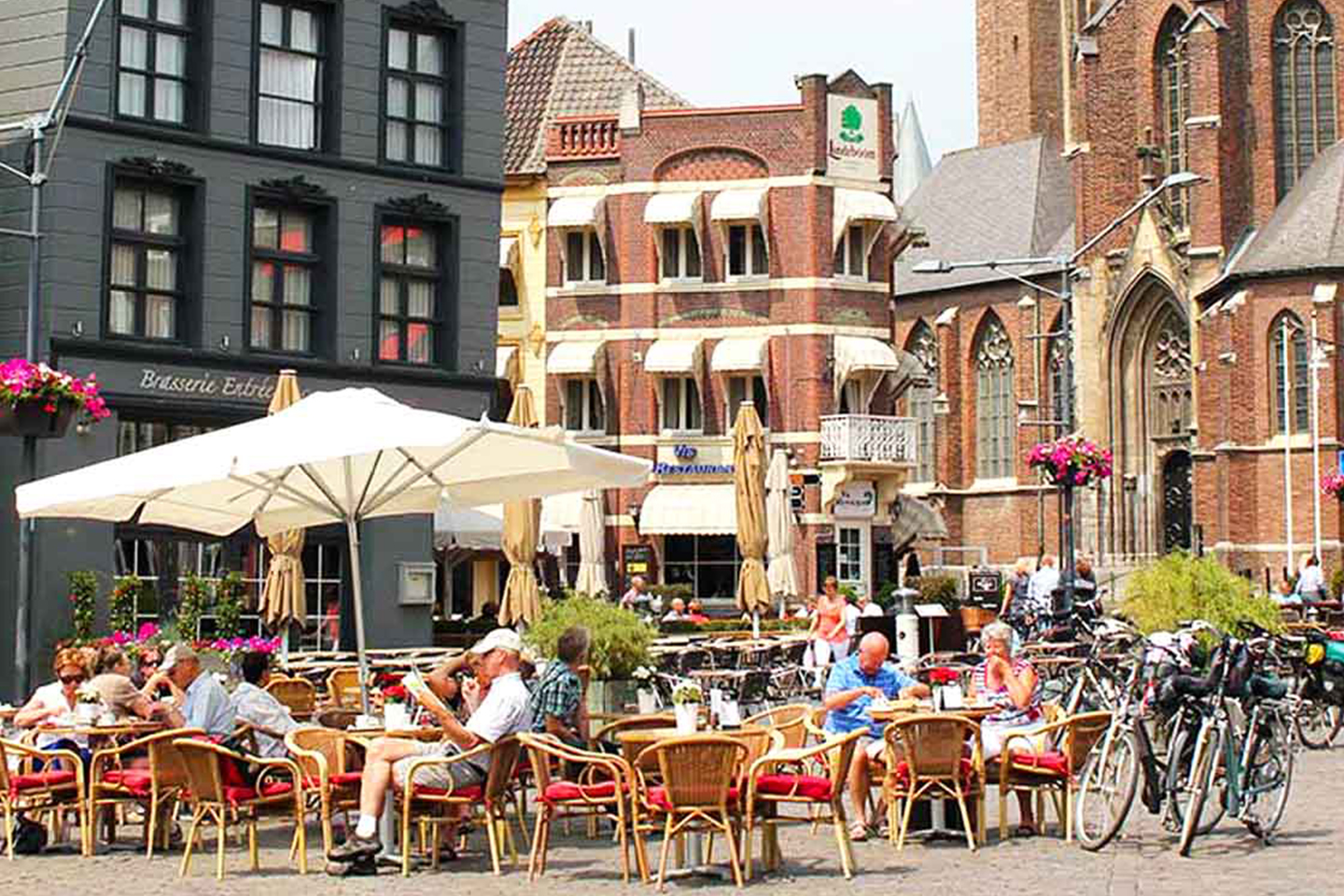
Roemond is an attractive town in the province of Limburg at the confluence of the Roer and Meuse rivers in the south of the Netherlands, close to the German border.
Its historic center retains its medieval atmosphere after growing up around an old 13th century abbey. Of the old complex, the Munsterkerk (Church of Munster) stands out, a temple with 2 twin towers 55 meters high that is the main late Romanesque work in the Netherlands.
Competing in beauty with the Munsterkerk is the cathedral of San Cristóbal, built in the Gothic style between the 15th and 16th centuries. Its defined flamboyant Gothic character can be appreciated and it stands out for its tower with the image of San Cristóbal. The interior was transformed into Baroque during an 18th-century remodeling.
The Stedelijk Museum works in an old restored building. It houses a collection of archaeological objects from the Roman era, manuscripts, medieval documents and furniture from the 18th century.
Near the city there is a hill visited by tourists fond of terror, as it was the place where criminals were hanged and those convicted of heresy burned.
25. Utrecht
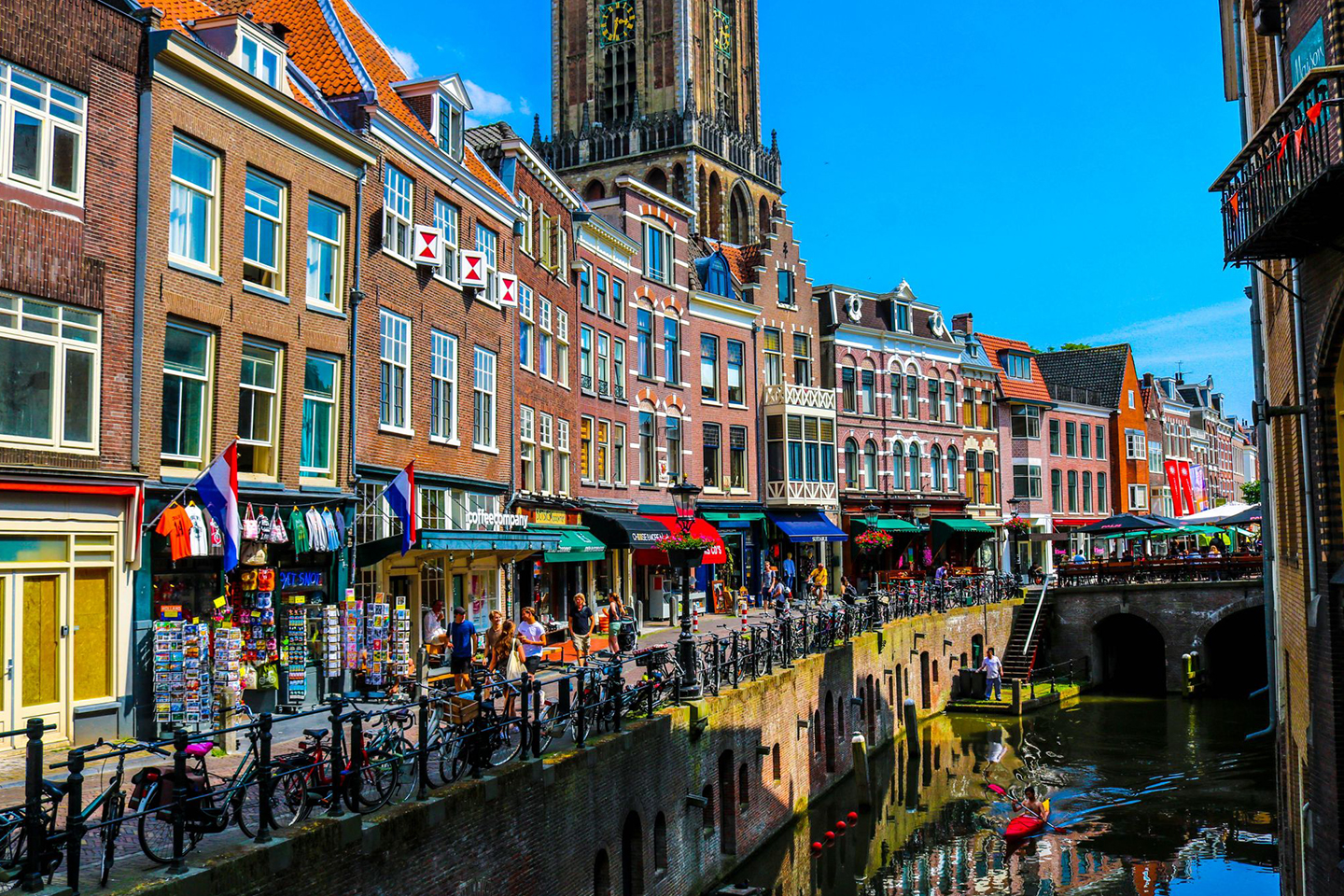
This Dutch city carved out its medieval wealth thanks to its location on the banks of the Rhine and its status as a center for the sale of wool and the prized Friesian (Holstein), a breed of cattle developed in the north of the Netherlands and Germany.
Its medieval heart is one of the most attractive among the cities of the Netherlands. It also exhibits interesting buildings from the 20th and 21st centuries.
Utrecht is the second Dutch tourist destination after Amsterdam for its history and beauty, including its canals and architecture.
The Treaty of Utrecht, also called the Peace of Utrecht, were agreements signed in the city between 1713 and 1715, which put an end to the War of the Spanish Succession.
The main architectural symbol is the tower of the Cathedral of Saint Martin of Tours, which survived the strong storm of 1674 that demolished the central nave.
The Rietveld Schröder house, built in 1924, is one of the best examples of the De Stijl art movement, listed as a World Heritage Site in 2000.
The Centraal Museum opened in 1838. It displays a collection of modern and contemporary art.
26. Helmond
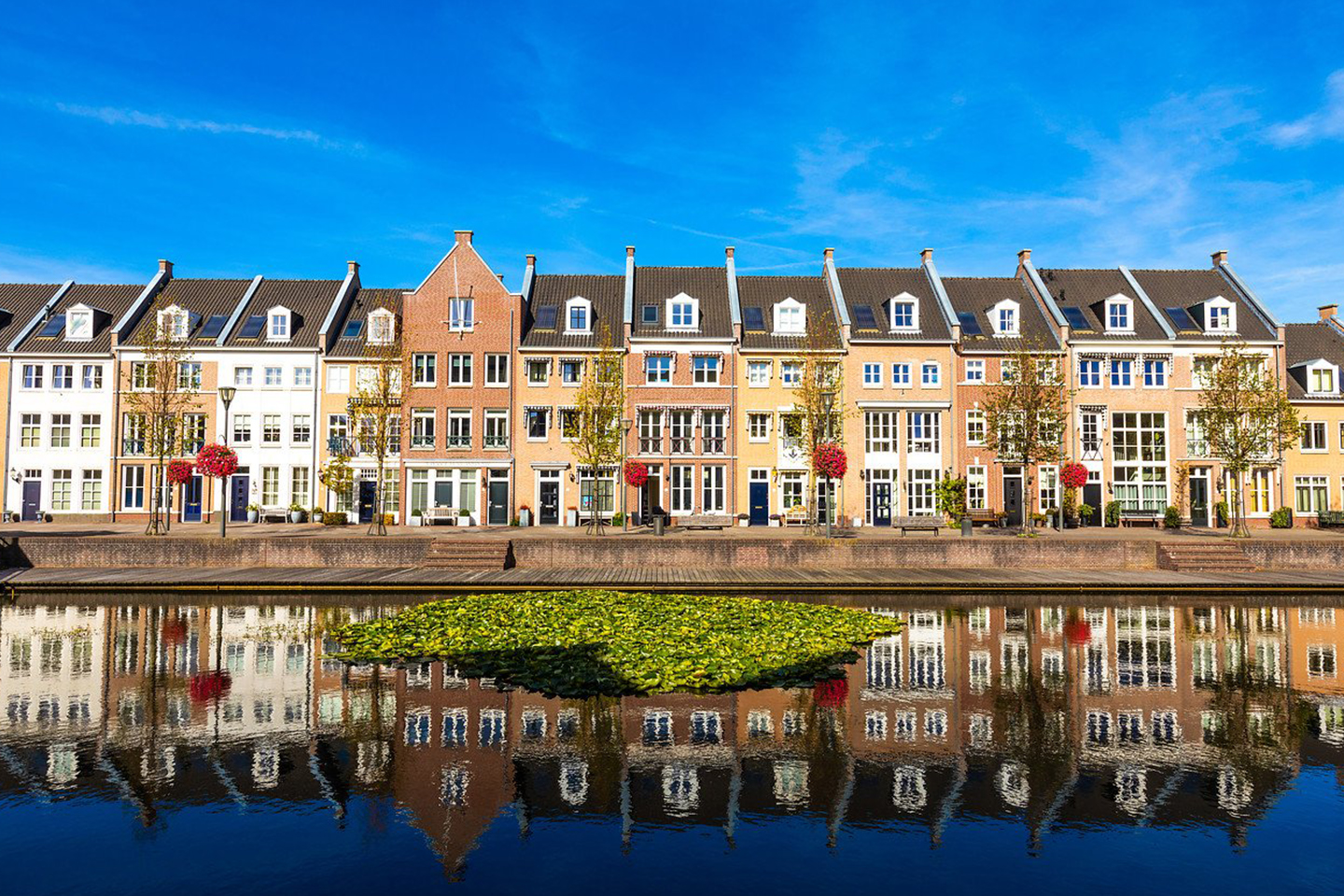
Helmond is an attractive town in the province of North Brabant, 14 km northeast of Eindhoven, using the city’s airport.
It is known for its castle-museum, which has the largest moat among Dutch fortifications.
It was home to several families of the Brabantine nobility and is full of legends, such as that of the ghosts of former residents that supposedly roam the rooms.
The city is characterized by its large green areas and its village atmosphere with cows and horses grazing in full view of tourists.
In the center there are cafes with cozy terraces to enjoy a typical appeltaart (apple pie), accompanied by tea or cold or hot chocolate. In the bars they offer tasty craft beers.
Dierenrijk Park, 11 km southwest of Helmond, is a zoo where everyone can interact with the animals.
27. Elburg
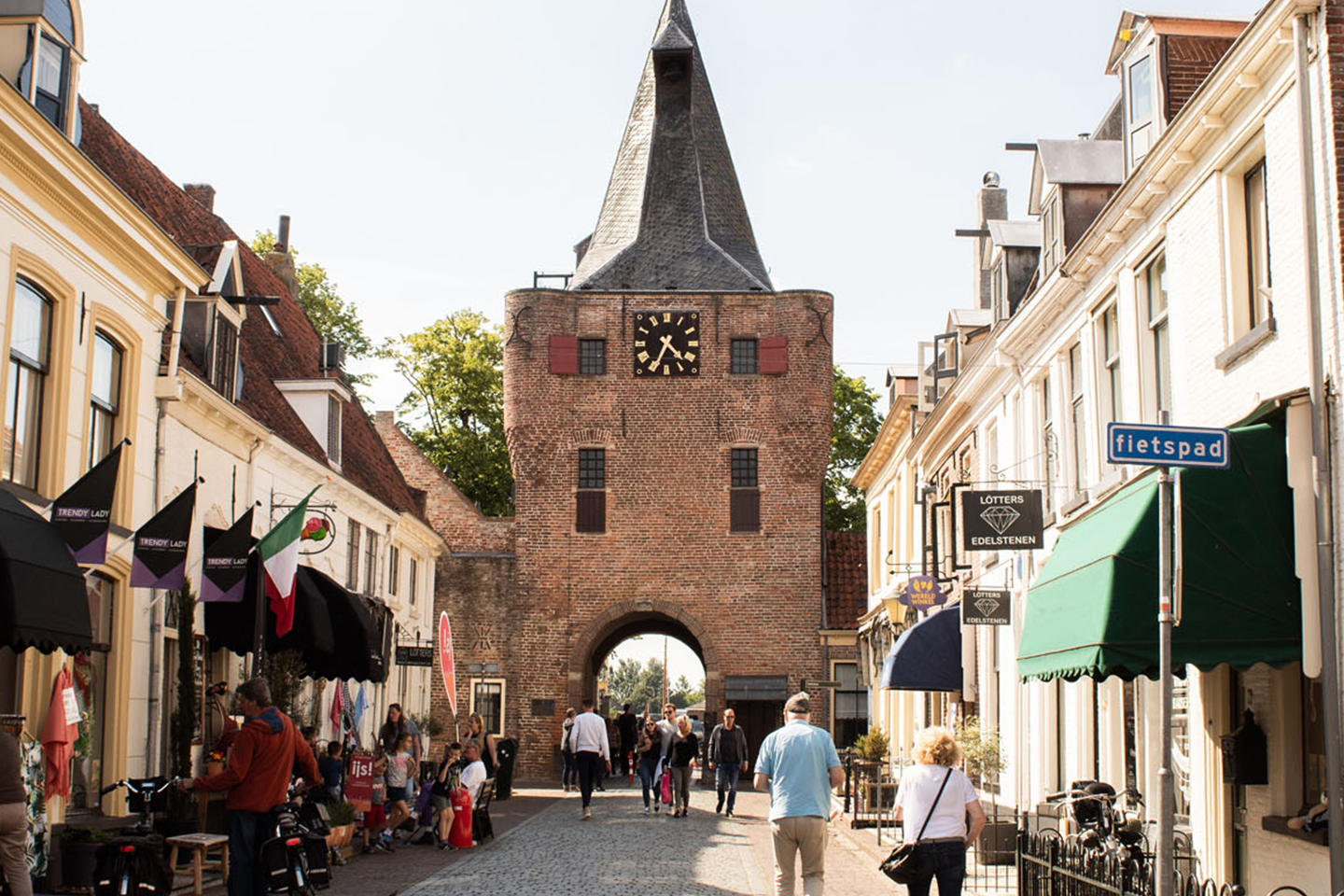
Fortified city of the Province of Gelderland on the artificial borders of the Dronten and Veluwe lakes.
The Elburg Museum is housed in the former convent of Agnieten, a late-Gothic 15th-century building, one of the most striking in the fortified city. It has a historical collection that can be toured, including the monastery, garden and the medieval chapel.
Its historic center is very well preserved with streets and alleys with a medieval atmosphere like few other places in the Netherlands.
The Vischpoort is a tower-type city gate erected in the 15th century. It has a clock, a turret at each corner and a narrow octagonal spire that crowns the building. On both sides of the tower the wall extends.
The Botterstichting is a foundation dedicated to preserving the historical and cultural heritage of Elburg, especially with regard to the preservation of its historic port and the construction and restoration of wooden fishing sailboats, the typical botters that are part of the image of the city. .
28. Horn
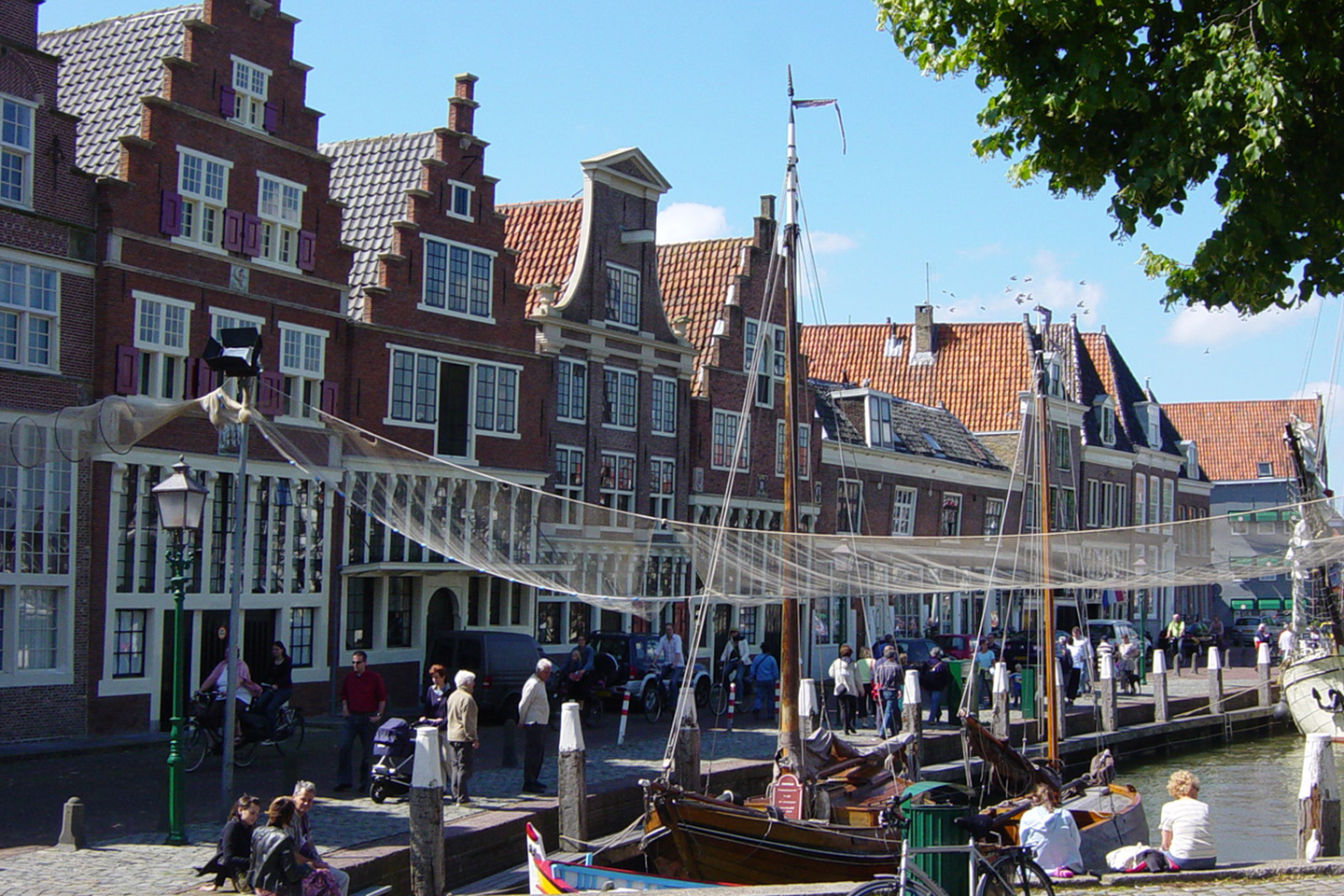
This small city of 60,000 inhabitants is in the province of North Holland, in the area of the IJsselmeer, the largest lake in the country.
Its port was one of the main ports of the Golden Age and received pepper, cloves, nutmeg and other valuable spices brought from the East by the Dutch East India Company.
Important expeditions departed from the port of Hoorn at the time of the great discoveries and Cape Horn in Tierra del Fuego took its name from the city.
The Afsluitdijk dam built in 1932 deprived Hoorn of its famous seaport. The Hoorn – Medemblik Heritage Railway was a 20km line opened in 1887. Today it is a tourist attraction running trips with its steam locomotives.
The Halve Maen was a ship captained by Henrry Hudson that in 1609 arrived in the area of what is now the port of New York, sailing from Amsterdam through the Arctic. She was destroyed by the English in Jakarta. The Netherlands gave a replica of the ship to the United States in 1909, which is on a temporary visit in Hoorn.
29. Dordrecht
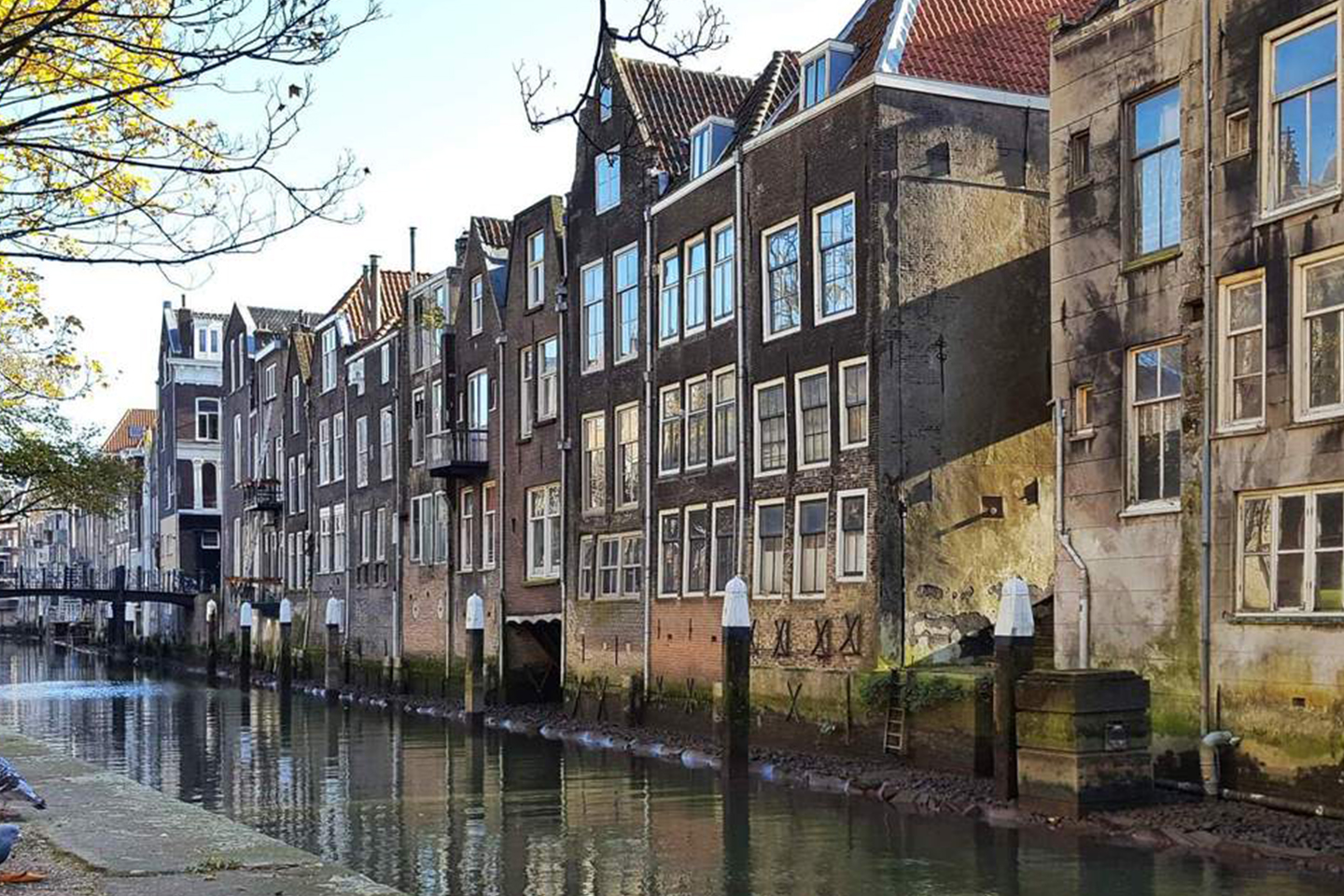
The city of Dordrecht is surrounded by canals on the island of the same name. The territory was part of mainland Holland, but the flood of St. Elisabeth in 1421 turned it into an island.
It is located in the province of South Holland, 26 km southeast of Rotterdam, a distance easily covered by a comfortable ferry ride. It has some 900 national monuments that include churches, buildings, ports and other properties.
The Great Church, a Brabantic Gothic-style basilica, is the largest temple in the city. Its 65-meter-high unfinished tower is leaning. It was built in the 15th century and, like the one in Pisa, the inconsistent terrain has allowed it to incline.
The Dordrecht Museum, founded in 1842, is one of the oldest in the Netherlands. Art gallery that covers 6 centuries of Dutch painting, highlighting the works of various Baroque masters of the Golden Age.
The museum (1940-1945) is dedicated to the Second World War and the role played by the city during the conflict. In the town there are more than 20 monuments and plaques alluding to the war.
30. Bergen op Zoom
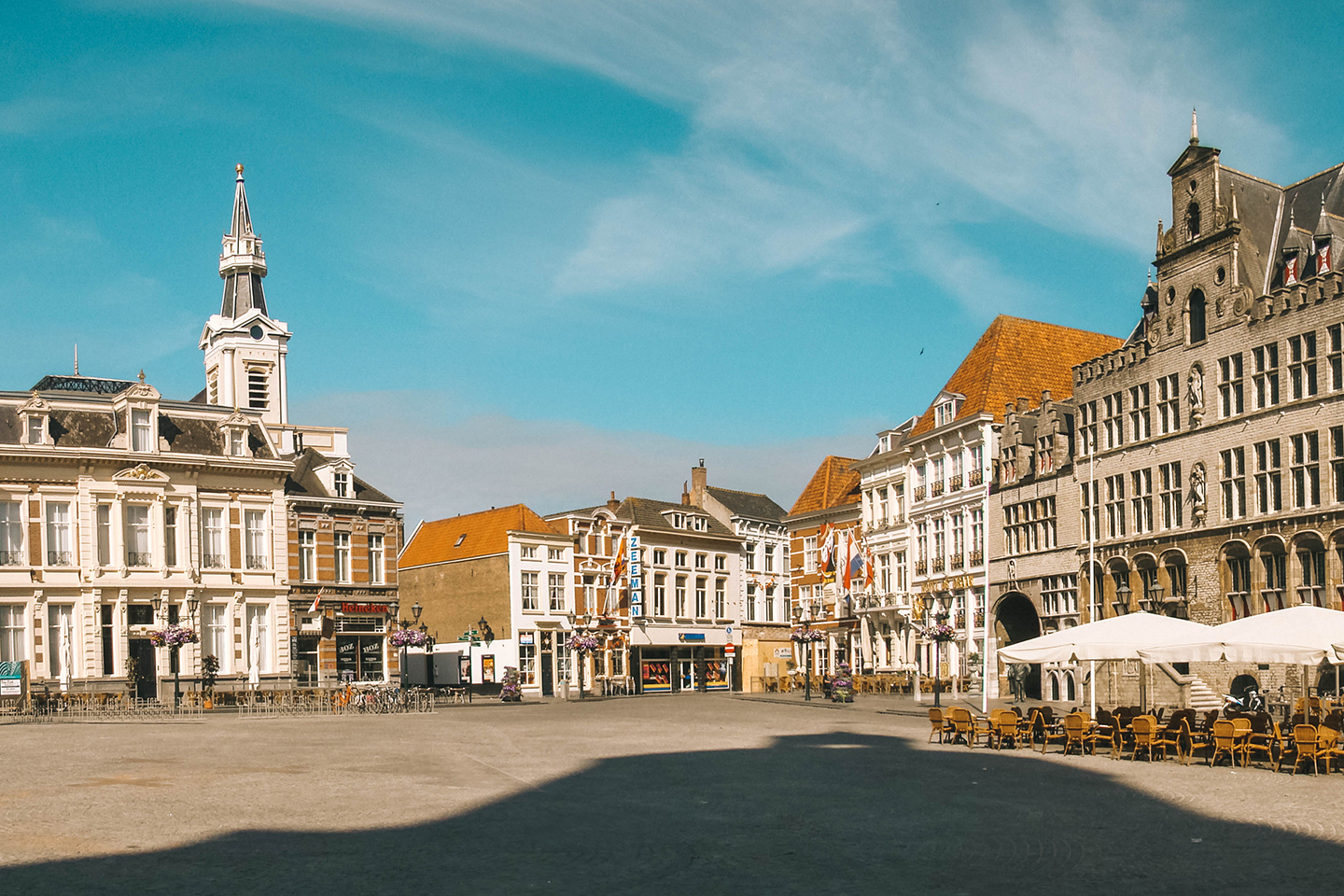
City in the province of North Brabant that lived from anchovy fishing, ceramics and agriculture, especially asparagus and beets.
In the 19th century, metallurgical activity began with the installation of several foundries. It is a town of 53,000 inhabitants with many cobbled streets and buildings with picturesque brick facades.
The church of San Gertrudis was built between the 14th and 16th centuries. Its oldest component is the tower erected in 1370 which is believed to have belonged to a previous church. Two organs stand out, one with pipes from 1863 and the other with an older choir.
The Markiezenhof is a late Gothic palace and a national monument used for exhibitions and cultural events. It houses a historical museum, a cartoon museum and a fair museum.
Opposite the market square (Grote Markt) is the oldest part of the city with emblematic buildings such as the Church of San Gertrudis and the old town hall, as well as The Elephant (De Oliphant) and The Dragon (De Draecke), buildings that they survived the great fire of 1397. The oldest hotel in Holland works in El Dragón.
Dutch cities: Volendam
Volendam is a small tourist town in the province of North Holland. Its striking half-timbered houses are painted in bright colours, and its main attractions are the old town and the pier with its old fishing boats.
The women’s typical dress, which includes a tall hat, is one of the best known in the Netherlands and often appears on postcards and tourist information brochures.
The Volendams Museum is the main cultural space in the city. It houses a collection of works of art, antique furniture, typical costumes, model boats and a life-size botter (boat).
Volendam Marken Express is an operator of boat trips to the most interesting places in the city, providing typical local clothing for great photos.
The Volendam Cheese Factory is a 400 m2 space where you can appreciate the history of the dairy product that identifies the Dutch, knowing both the old production methods and the current ones.
It is an interactive experience in which you will enjoy the flavors, aromas, textures and colors of the gastronomic symbol of the Netherlands.
Nice towns near Rotterdam
One of the most beautiful towns near the big European port is Dordrecht, 26 km from Rotterdam on a nearby island.
This beautiful town is characterized by its number of architectural monuments, including the Great Church with its leaning tower. Other beautiful Dutch towns near Rotterdam are Oudewater, Moordrecht and Katwijk aan den Rijn.
If you liked this article about the most beautiful towns and cities in the Netherlands, we invite you to share it so that your friends also know which are the must-see locations on a trip to the Netherlands.