What is a pretty city? The one with nice beaches? The one that stands out for its beautiful architecture? The one that vibrates with its cultural or night life? The one that is green and very clean?
In this selection of the most beautiful cities in the world you will find a little bit of everything.
The most beautiful cities in the world:
1. Venice, Italy

The tangle of islands populated by splendid monuments and linked by beautiful bridges over the canals, gives the capital of Veneto a charm that grows with time.
After the obligatory gondola ride, buy a couple of blocks and walk with your partner through the labyrinthine streets of Venice.
And don’t forget to try the delicious Venetian-style veal liver and watch the glassblowers at work.
2. Istanbul, Turkey

First it was the Byzantium of the Greeks, then the Roman Constantinople and now it is the Istanbul of the Turks, a history of 27 centuries that has shaped one of the richest and most exciting cities on Earth.
Only the Basilica of Hagia Sophia, the pinnacle of Byzantine architecture, is worth a visit to Istanbul. The Blue Mosque, Topkapi Palace, and Dolmabahce Palace round out a quartet of must-see attractions in Turkey’s largest city.
A visit to the Grand Bazaar and the Spice Bazaar is a tremendous festival of the senses.
3. New York, USA

New York is a city of multisensory charms. From the aroma of roasted nuts and the taste of a simple hot dog on a cold winter afternoon to the color palette of Central Park in the fall and the brightness of the Hudson in summer, serving as a backdrop for the Statue of Freedom.
Classic New York attractions—like the Empire State, Times Square, and Fifth Avenue—retain their spell no matter how many times you’ve seen or walked through them.
4. London, UK

The English capital enlightens the world with the best museums on the planet, such as Natural History, Science and the British, and vibrates with new attractions, such as the Millennium Wheel or the London Eye and 30 St Mary Axe, a popularly known building like The Gherkin
Buildings such as the Tower of London, Tower Bridge, the Palace of Westminster and Big Ben, Westminster Abbey, Buckingham Palace and St. Paul’s Cathedral are testimonies to London’s fascinating history, closely related to both its old monarchy as with its contributions to democracy.
Theatre, music, fashion and other facets of entertainment and culture continue to have London as one of their world centers.
5. Paris, France

Despite the commonplace, it is impossible not to include the French capital among the most beautiful cities in the world.
Just admiring how the night traffic circulates along the Avenue des Champs-Élysées between the Arc de Triomphe and the Place de la Concorde and the Louvre faithfully expresses why Paris is called the City of Light.
Eating a baguette with Roquefort cheese , with a glass of a good Bordeaux, in one of the cafes on the banks of the Seine, is exquisite and romantic.
6. Hong Kong, China

A skyscraper jungle can also be beautiful. From El Pico, the Hong Kong concrete jungle, the port and the hills of the New Territories are a dream postcard.
The Kowloon Walled City Park represents millennial China and the Clock Tower symbolizes the golden age of the early 20th century.
Parks like Disneyland Hong Kong and the Ocean Park remind us that this Chinese “special administrative region” is a capitalist emporium in the largest communist country in the world.
7. Amsterdam, Netherlands

The walks through the canals of Amsterdam, called the Venice of the North, allow you to admire the wonderful physical heritage that the Dutch managed to build between water and land since the 17th century.
Although he was born in Leiden, the city that marked Rembrandt’s life the most was Amsterdam, where the great master of the Baroque is buried. The Rembrandt Museum in Amsterdam is housed in the house where he lived and exhibits an extraordinary collection of his work.
Other must-see exhibitions in Amsterdam are those of the National Museum (Rijksmuseum) and the Van Goh Museum.
In this city everything is done by bicycle, so the first thing you have to do is rent yours.
8. Saint Petersburg, Russia

Peter the Great wanted to have a city similar to Venice and he had it built on the banks of the Neva, although for this he had to prohibit the use of stone in the rest of his vast empire in order to have enough for the construction of the new capital. .
Almost all of Russia’s masons and workers had to move to participate in the colossal project, raising beauties such as the Cathedral of Saint Peter and Saint Paul and the Winter Palace, now the Hermitage Museum.
The Hermitage houses more than three million works, being one of the largest art museums in the world.
The beautiful Church of the Resurrection of Christ was erected between 1883 and 1907 on the site where Tsar Alexander II was assassinated.
9. Cape Town, South Africa

When European navigators of the fifteenth and sixteenth centuries sighted the Cape of Good Hope, at the southern tip of Africa, they knew they were on the right track to the East.
The first settlement in what is now Cape Town was founded in 1652 by the Dutchman Jan van Riebeeck, becoming in less than four centuries the second city in South Africa and the most important tourist destination on the continent.
The two million tourists who visit La Taberna de los Mares each year do not go so much to drink as to surf and windsurf and dive on its beautiful beaches, as well as to see the large colony of African penguins on Playa de los Cantos Rodados.
10. Beirut, Lebanon
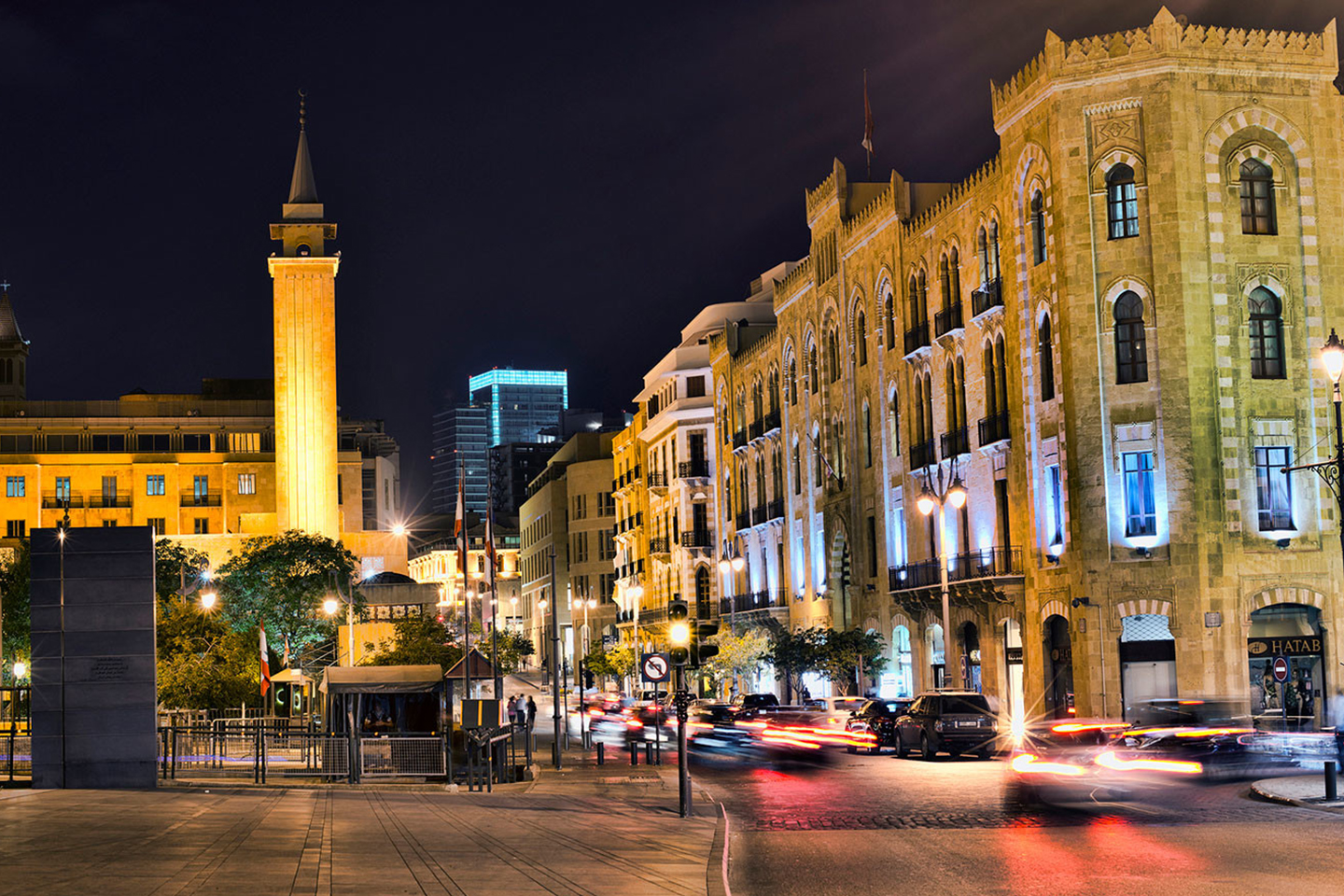
How many tourists would visit Beirut today if it had not been destroyed by the bloody civil war that ended in 1991?
The capital of Lebanon has risen from its ashes with the construction of new infrastructure and the restoration of ancient sites.
In new Beirut, highlights include the National Museum, La Corniche promenade, the Mohammad al-Amin Mosque and the beautiful campus of the American University.
Beirut faces the Mediterranean and fabulous hotels have been installed on its beaches. Lebanon was a French colony between 1860 and 1943 and Beirut cuisine is a delicious Arab-French fusion.
11. Kyoto, Japan

Having been the imperial capital of Japan for almost 11 centuries allowed Kyoto to collect the best of Japan’s medieval and modern past, which it has complemented with its magnificent contemporary heritage.
The Kyoto Imperial Palace is no longer the residence of the emperor, but it retains the splendor in which the Japanese monarchs lived until 1869.
Nijo Castle is a World Heritage Site and Heian Shrine is one of the largest and most splendid Shinto temples in the archipelago. In Kyoto there are hundreds of Buddhist and Shinto shrines, making it the Japanese summit in this heritage genre.
What’s new in Kyoto can be caught through its theme parks and film studios.
12. Queenstown, New Zealand

The small New Zealand city of Queenstown is called the Adventure Capital of the World for the different options it offers.
If you want to ice ski in New Zealand you have to go to Queenstown, where the best slopes in the oceanic archipelago are.
It has become a favorite destination for young people, especially Americans and Australians, due to an irresistible combination: adventure sports during the day and intense nightlife after the sun goes down.
Among the entertainment that you can practice in Queenstown are rafting , bungy jumping , river surfing and jetboating .
From the viewpoints of the city you have views that will make your hair stand on end.
13. Havana, Cuba

The Cuban capital has remained frozen in the 1950s, with its old Ford and Chevrolet V-8 cars cruising alongside colonial jewels, adding to its retro tourist charm.
If a communist regime provides anything, it is security in the streets and in Havana visitors walk calmly towards their hotels after enjoying some mojitos at La Bodeguita del Medio or daiquiris at El Floridita.
Varadero’s beaches are among the most beautiful in the Caribbean and world-class hotels are located on its sandbanks.
14. Barcelona, Spain

The Catalan capital has always been at the forefront in Spain in terms of cosmopolitanism, culture and scientific research.
A single artist, Antoni Gaudí, was enough to create the architectural masterpieces that are one of its main tourist hooks, such as Park Guell and the Sagrada Familia temple.
The heart of the city is Las Ramblas, the promenade that leads to the old port, which has already recovered its normal activity after the 2017 terrorist attack.
Catalan gastronomy prides itself on cava and in Barcelona you should enjoy this sparkling wine with a local delicacy, such as parellada rice.
15. Florence, Italy

The beauty of the cradle of the Renaissance is already timeless and that is reason enough to visit and enjoy it.
The Basilica of Santa Maria del Fiore, with Brunelleschi’s dome that caused astonishment among 15th-century Florentines, the Ponte and Palazzo Vecchio, the Uffizi Gallery and Michelangelo’s David are wonders of universal art.
Walking through these places you will feel like you were back in the days when the Medici were fighting with the Pope in their desire to make Florence bigger than Rome.
But not everything is past. Florence has managed to introduce novel touches without disturbing its rich history, such as the sculpture park inaugurated in 2011 in the Rose Garden.
16. Sydney, Australia
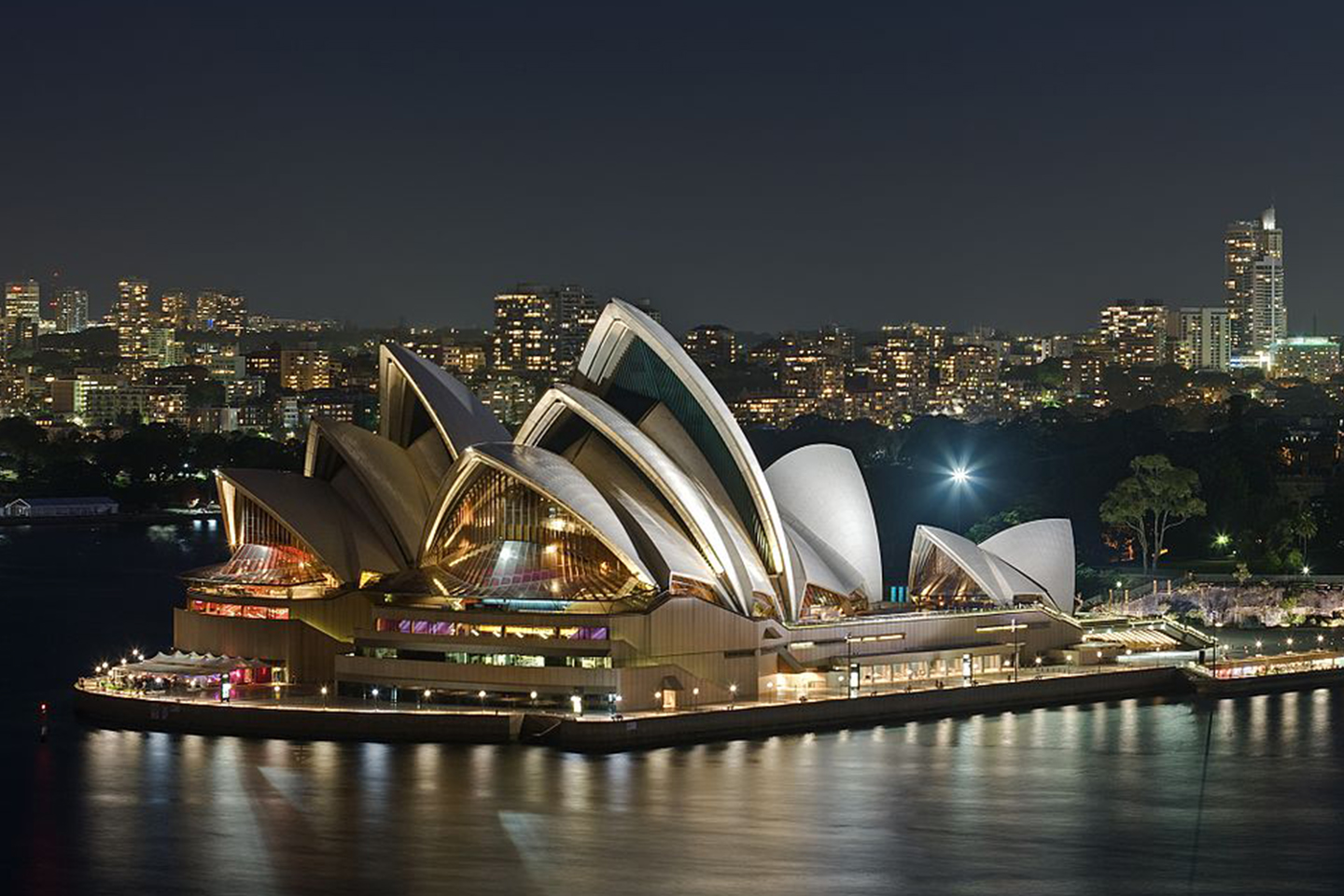
Visitors to Australia’s largest city are artistically greeted by the Opera House, the iconic World Heritage waterfront building.
In Sydney there are more than 50 beaches where every imaginable entertainment is available, including diving, surfing and whale watching.
Darling Harbor is a welcoming port with bars, restaurants, shops and two excellent attractions: the National Maritime Museum and the Sydney Aquarium.
The oceanic Great Barrier Reef is the largest reef on the planet and the Sydney Aquarium is a sample of its spectacular biodiversity.
17. Lisbon, Portugal

According to Greek mythology, Lisbon was founded by Odysseus in the midst of his long odyssey to return to Ithaca after the Trojan War.
The people of Lisbon were good heirs of the legendary hero because they knew how to build one of the most discreetly beautiful cities in Europe.
Lisbon and the rest of Portugal do not make much mundane noise. Its residents and visitors take the opportunity to enjoy beautiful historical attractions such as the Jerónimos Monastery, the Castle of São Jorge, the cathedral and the Tower of Belém and other new ones such as the Tower and the Vasco da Gama Bridge.
The Lusitanos are excellent bakers and in Lisbon you can enjoy one of their great creations, their exquisite pan dulce.
18. Jaipur, India

To the enigmatic nature of India, Jaipur adds the beauty of having been built with a pink stucco that is its main hallmark, being called The Pink City.
It was erected in the 1720s by a visionary Maharaja, Sawai Jai Singh, who had it designed with great symmetry and wide streets of more than 30 meters, setting an urban precedent in a country of chaotic cities.
The Palace of the Winds, from 1799, is the architectural pinnacle of Jaipur, the great chamber of the harem of Maharaja Sawai Pratap Singh, who built it on 5 floors and with 953 windows so that his women could distract themselves by watching the passing of street life without be seen.
19. Bruges, Belgium

If you want to be the protagonist of a fairy or horror tale in the middle of the Middle Ages, you have to go to this beautiful Belgian city, nicknamed “Venice of the North” like Amsterdam, Saint Petersburg and Stockholm.
Through its cobbled streets flanked by Gothic houses, it seems that a knight in armor is going to appear at any moment, riding a horse and dressed for a joust, or a Flemish militiaman chasing a French soldier to kill him in the middle of the Bruges Matins Massacre.
20. Lucerne, Switzerland
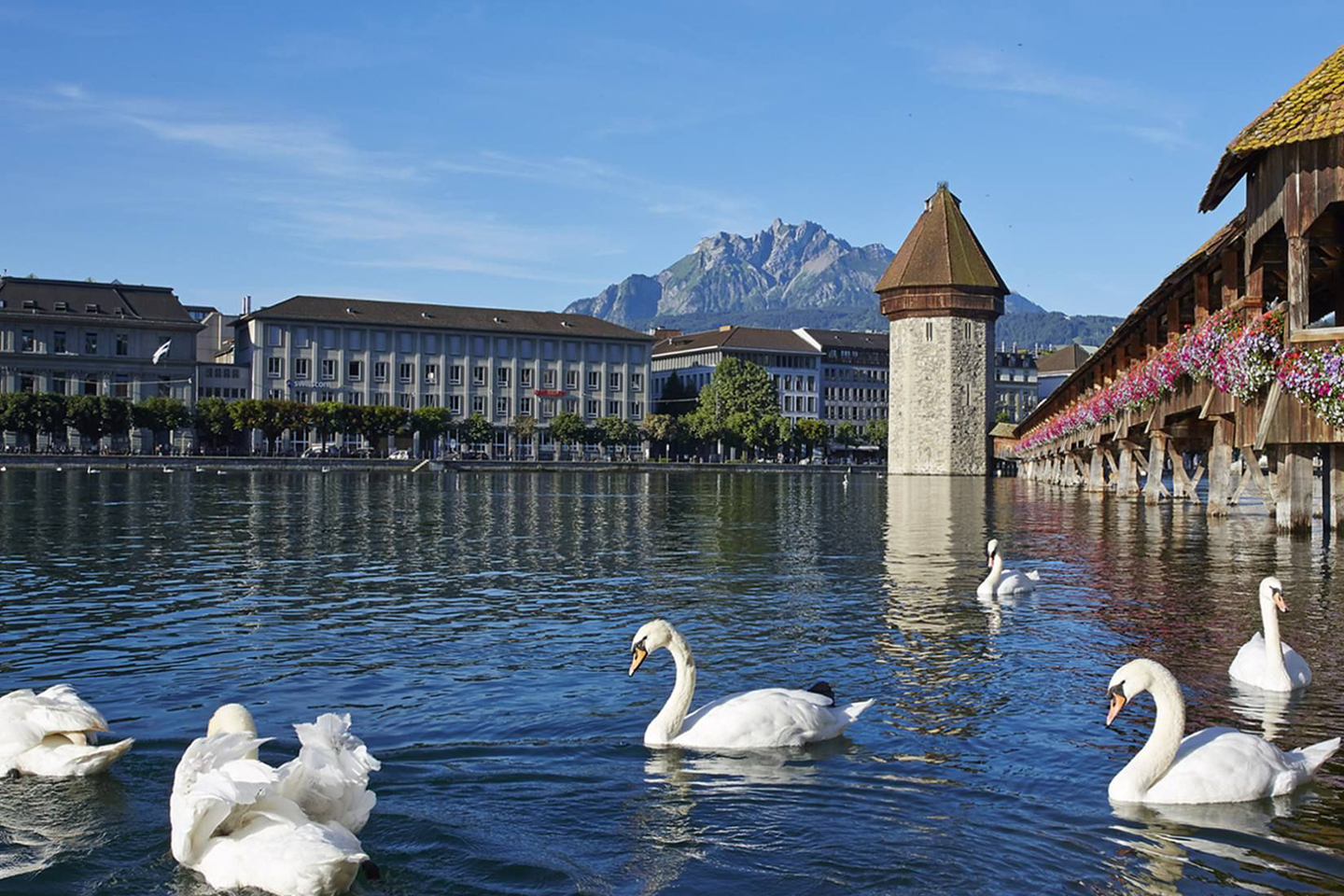
This Swiss city facing the Lake of the Four Cantons and escorted by alpine mountains is the authentically most touristic town in the Swiss Confederation, mainly thanks to the Kapellbrucke, a wooden bridge from 1365 that is the oldest in Europe.
The Kapellbrucke connects the old city with the new one by crossing the Reuss River and is the most photographed monument in Switzerland after the striking Matterhorn.
Other sights include the Water Tower in the center of the Kapellbrucke, the Chapel Bridge and the Lion of Lucerne Monument.
21. Shanghai, China
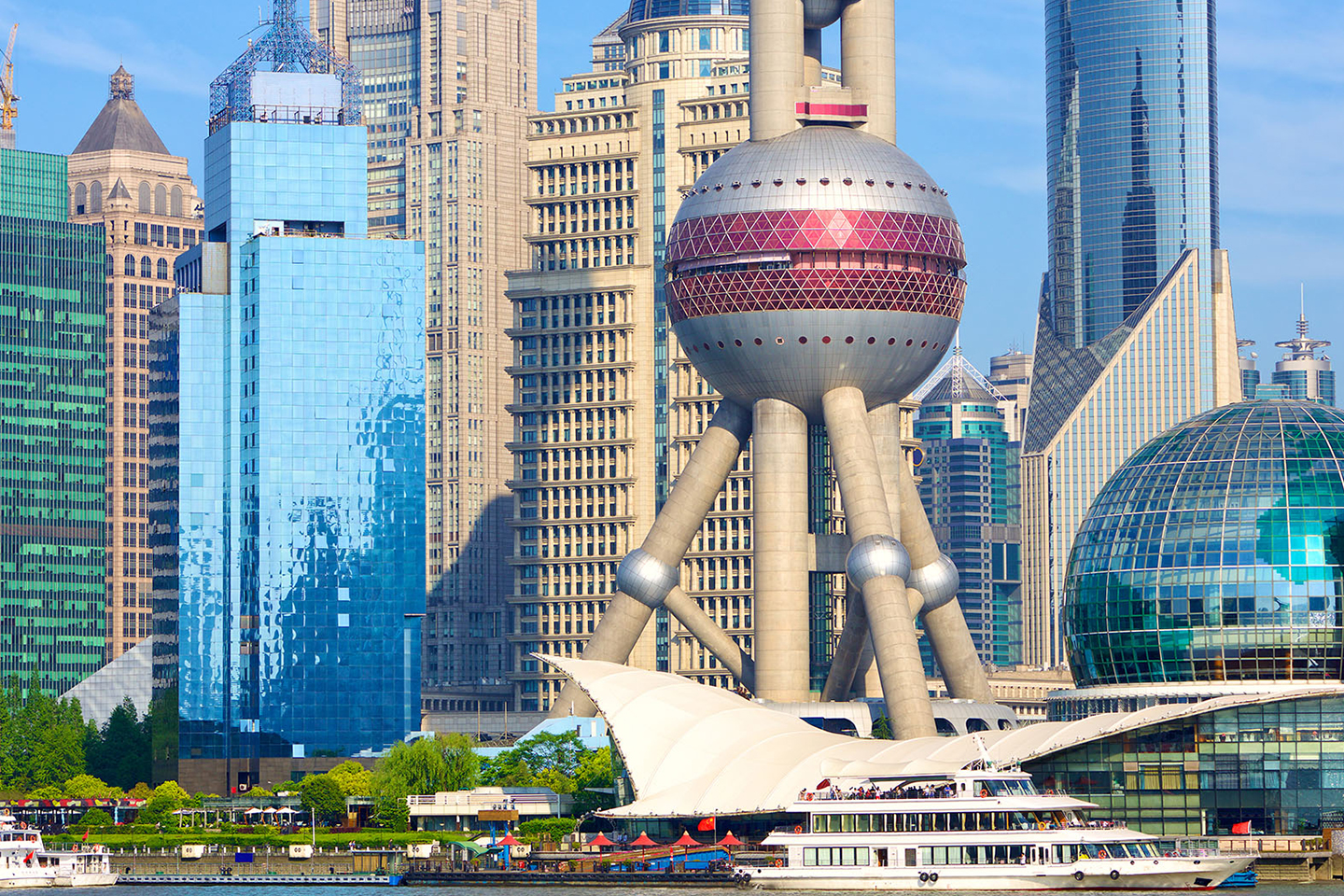
The largest city in China perfectly symbolizes the capitalist prosperity of the huge communist country.
The Bund, a mile-long waterfront along the Huangpu River, fronts a row of the city’s fine colonial-era buildings.
The City of God Temple is the epicenter of the old city and in its nearby streets there are shops that are more than a century old where you can get products from the ancient Chinese.
On the cosmopolitan side, the skyscrapers of the city’s financial center are emblematic of the drive of an economy in which the word recession seems to be prohibited.
22. San Francisco, Calif.

The Golden Gate Bridge is already in its eighties and when the weather lets it see it fully it is the perfect postcard of one of the most culturally rich cities in the United States.
Tourists continue to be seduced by the picturesque trolley rides and by everything that can be seen, breathed and tasted in Chinatown.
The financial strength and its status as a technological city have elevated San Francisco to the highest levels of the American standard of living.
Festivals of different genres bring tourists throughout the year to the big city on the bay.
23. Rome, Italy
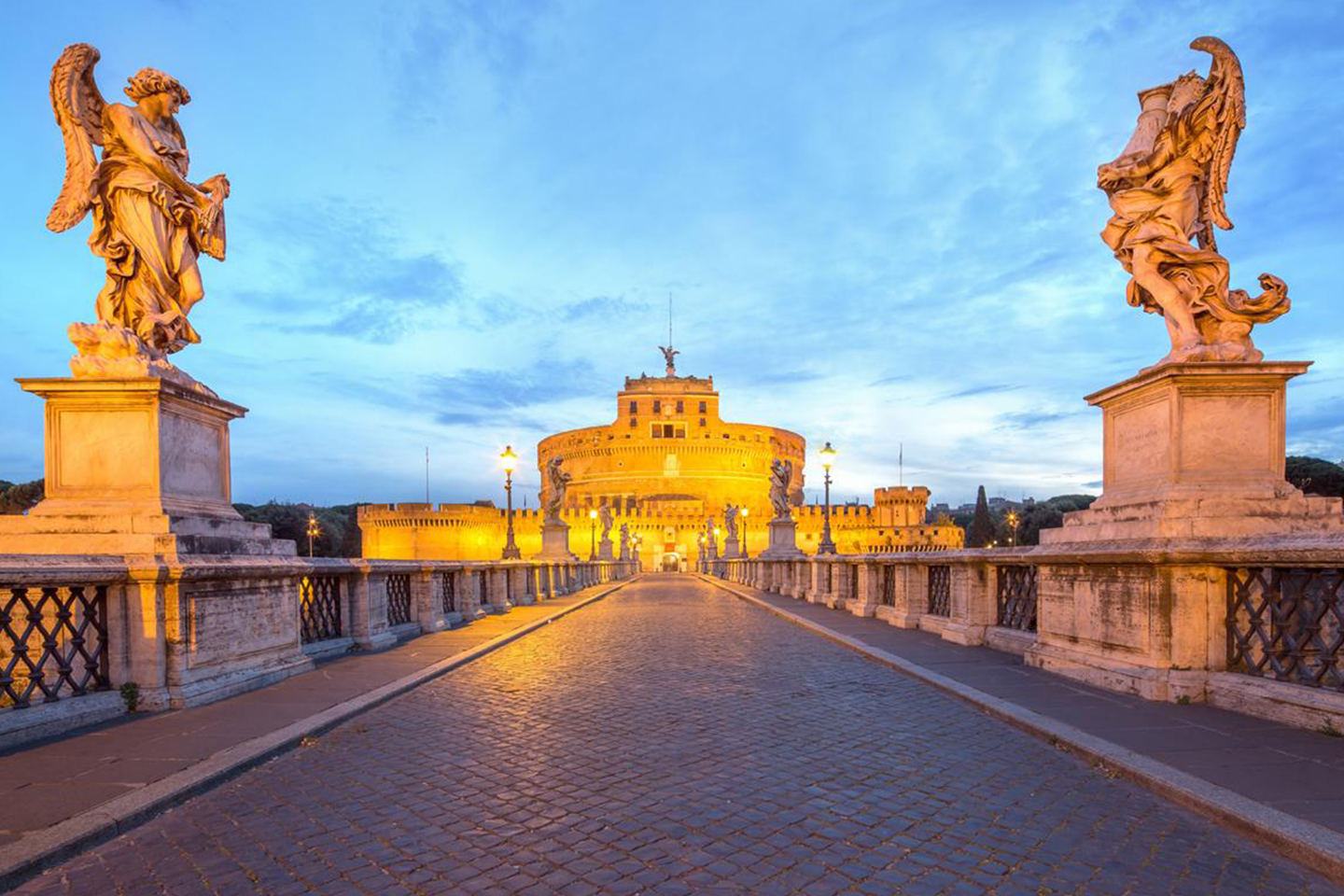
The symbol city of the most important empire in Western history annually attracts millions of tourists who go, among other things, to see the site where beasts devoured Christians to the cheers of 50,000 spectators, including the emperor and his family.
Rome bequeathed the best engineering of antiquity and the invention of concrete, which it used in millenary-old buildings that remain firm against the passage of time.
Next to the Italian city, the State of the Vatican is home to architectural jewels such as the Basilica of Saint Peter in Rome and its museums and dependencies house some of the greatest artistic and documentary treasures of humanity.
24. Stockholm, Sweden

Another “Venice of the North”, a title lavished in Europe on cities with islands and canals flanked by architectural magnificence.
The capital of Sweden has been awarded as the “Green Capital of Europe” by virtue of its immaculately maintained gardens and parks.
Drottningholm Palace, residence of the royal family, is a World Heritage Site, as is Skogskyrkogården, a 1915 cemetery that pioneered the construction of necropolises in wooded areas of great natural beauty.
The neighborhoods of the old city and the Holmian museums are of great tourist interest, in one of the European cities with the highest standard of living.
25. Cartagena, Colombia

The heat and sun of the Colombian Caribbean coast guarantee a splendid tan on white sand beaches escorted by the colonial buildings of the walled city, with many episodes recounted by Gabriel García Márquez.
Cartagena de Indias was the main South American port of the Spanish empire in America and its strong wall and fortresses were erected to defend it from bad guys like Francis Drake and Henry Morgan.
In the historic center of Cartagena, a World Heritage Site, the San Felipe Castle, the Palace of the Inquisition and the Church of San Pedro Claver stand out.
26. Singapore, Singapore
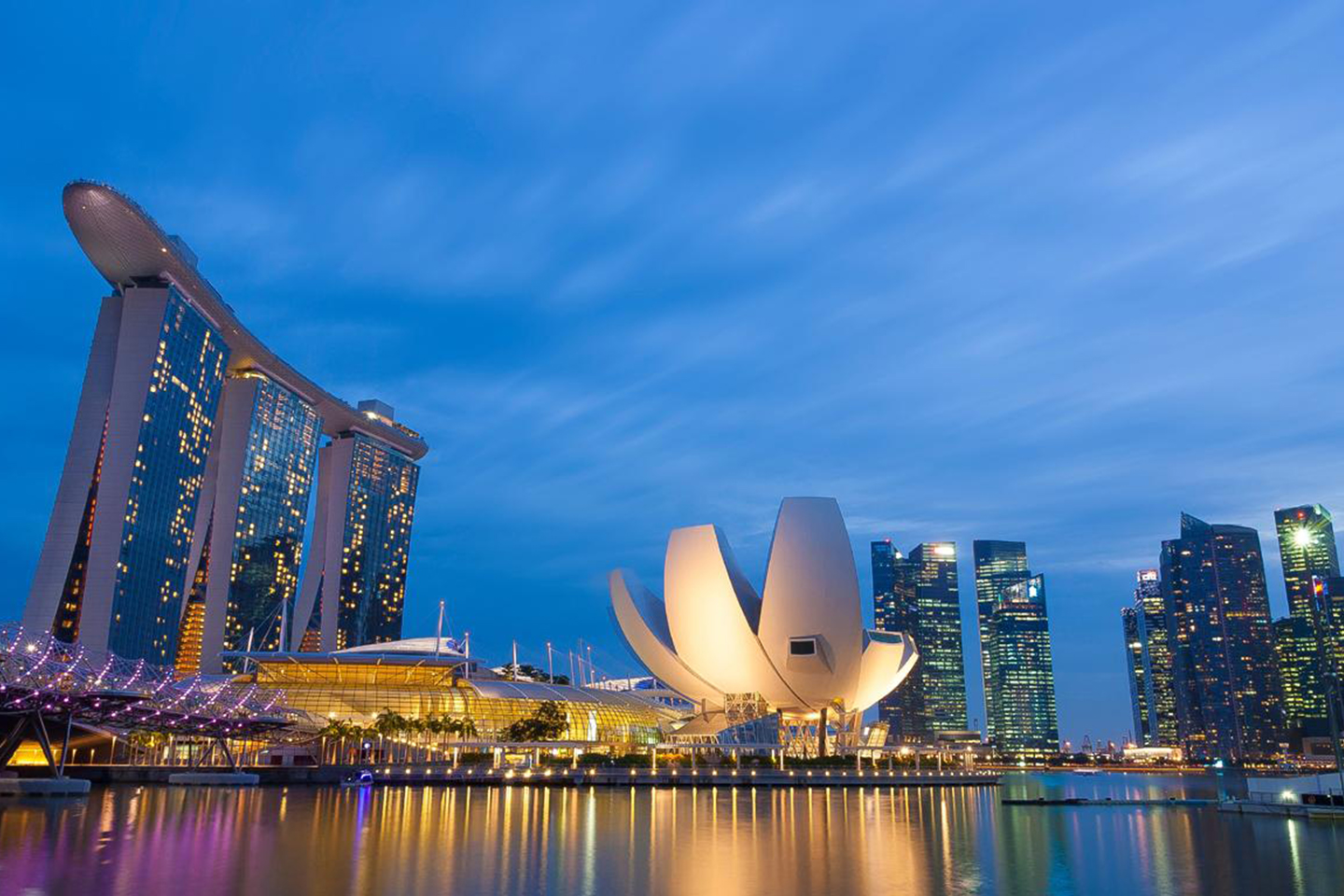
The natural beauty of the territory on which Singapore sits has been wisely intervened by Singaporeans to build one of the most beautiful cities in the world.
Singapore usually tops the rankings among the most competitive cities in the world. The Orchard Road district was turned into a paradise for games and fun in order to compete with other destinations such as Hong Kong, Bangkok and Tokyo.
In 2008, it inaugurated its new street circuit where an exciting night test of the Formula 1 World Championship is held.
His cuisine is a fantastic fusion with Chinese, Malay, Indian and English influences.
27. Budapest, Hungary

Only four lucky European capitals are crossed by the blue Danube and Budapest is one of them.
On the banks of the river for which Johann Strauss II composed a famous waltz are the Buda Palace, Andrássy Boulevard and Heroes’ Square, three of the most beautiful attractions in the Hungarian capital.
Budapest is famous for its thermal springs, being considered the world capital of medicinal waters.
The Széchenyi Baths operate in a palatial facility that turns a hot soak into an almost royal experience.
28. Valparaiso, Chile

The National Congress of Chile is not based in the capital, Santiago, but in this beautiful coastal city whose historic center is a World Heritage Site.
The houses are staggered on the hills facing the Pacific, forming a striking collage that makes Valparaíso the most colorful and picturesque Chilean city.
Valparaíso was the most important port in the American South Pacific due to its close communication with the Atlantic through the Strait of Magellan and from that prosperity an architecture with attractive European features, especially Spanish and British, remained.
29. Prague, Czech Republic
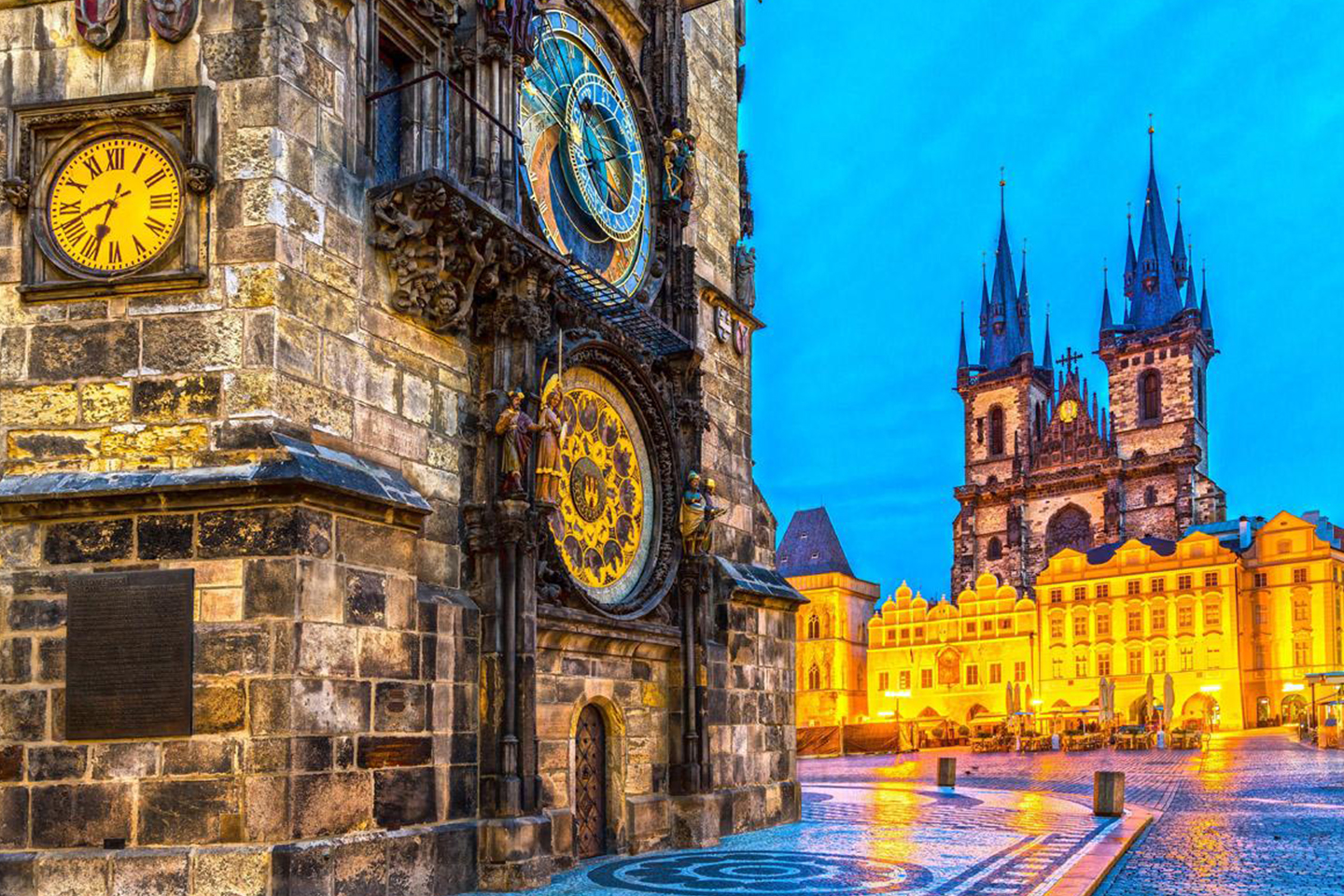
Prague is Bohemian and Bohemian. It was the capital of the kingdom of Bohemia and it is of the Czech region of that name; and it is the city of less than two million inhabitants that receives the most visitors in Europe, thanks to its serene beauty, which travelers and locals enjoy in a relaxed way.
In its historic center, the Prague Castle stands out, the largest medieval fortress in the world, more like a citadel that houses the Cathedral of San Vito and the famous Alley of Gold and Alchemy, where medieval alchemists searched for the philosopher’s stone and conversion from sand into precious metal.
30. Edinburgh, Scotland

The Scottish capital has the rare privilege that both its “old town” and its “new town” are World Heritage Sites.
Bute House, Edinburgh Castle and the Royal Palace of Holyroodhouse are great classic architectural attractions, alongside the modern Scottish Parliament building.
The Edinburgh Festival is a world-renowned theater and music event, bringing together the great luminaries of playwriting and the divas and divas of acting and conducting.
31. Busan, South Korea
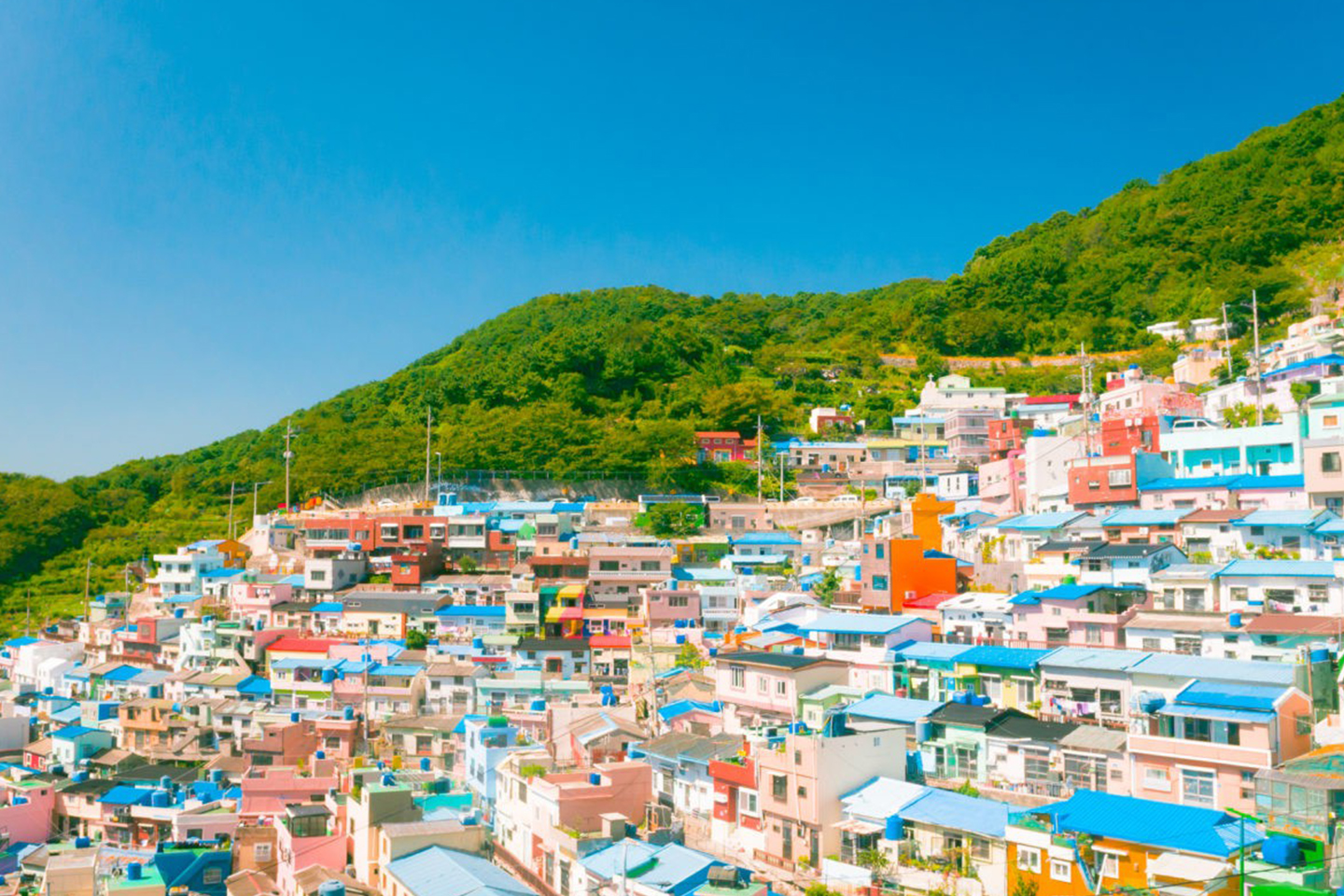
Seoul may be the “New York” of South Korea, but Busan leads the way in beach and entertainment tourism.
On its southern side, it faces the Sea of Japan, with beaches such as Haeundae and Gwangalli, the most popular in the country and with excellent hotel infrastructure.
Busan is surrounded by mountains, so hiking is another of its attractions. Buddhist temples, such as the majestic Haedong Yonggungsa, add to a very complete tourist offer.
The International Film Festival is a mix of new promises with old glories and attracts a huge youthful audience.
32. Mexico City, Mexico

The Mexican megacity harmoniously combines the pre-Columbian past, colonial elegance, fantastic museums and the largest urban green space and best equipped with attractions on the continent.
In the Templo Mayor you can feel the spirit of the Mexicas, who built the ancient pre-Hispanic city of Tenochtitlán.
In the Chapultepec Castle and the National Museum of Anthropology, located in the immense Chapultepec Forest, you can admire great evidence of the pre-Hispanic and colonial past of the city.
The Mexican capital is marked by the great art of the great national painters and muralists, such as Orozco, Rivera, Alfaro Siqueiros, Tamayo and Frida Kahlo, with their best works exhibited in various buildings and museums in the capital.
33. Charleston, USA
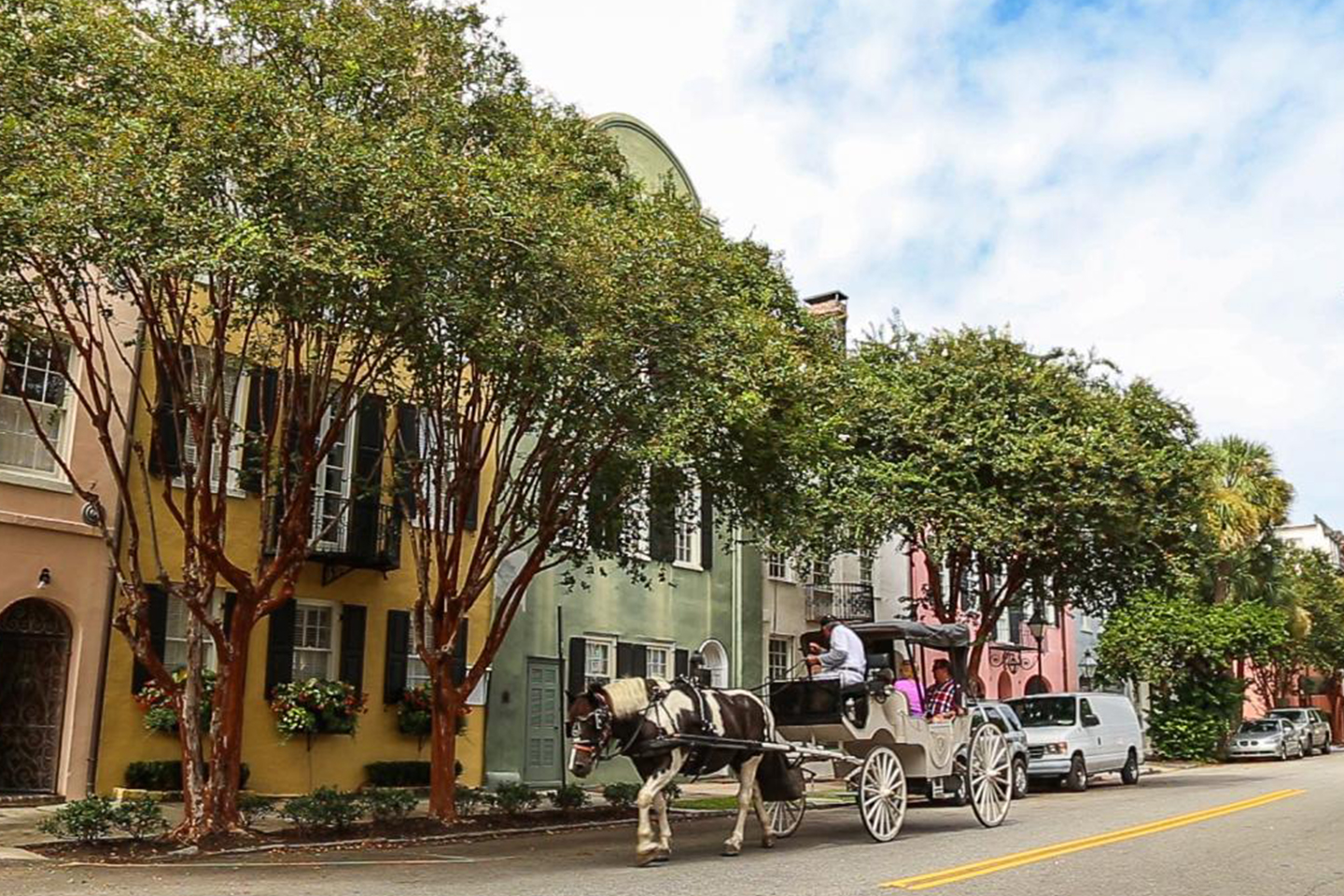
This South Carolinian city is a painting of cobbled streets, brightly colored Georgian houses and dreamy gardens.
It was an important port due to its privileged geographical location and since then it has managed to survive the Civil War, earthquakes and hurricanes.
Fort Sumter, at the entrance to the bay, is a national monument for having been the site of the first battle of the American Civil War in 1861.
At the Charleston Naval Museum is the USS Yorktown, an aircraft carrier that saw service in World War II and the Vietnam War.
34. Dubrovnik, Croatia

Croatia has lovely towns along its long Adriatic coastline, but none quite like Dubrovnik, the ‘Dalmatian Athens’.
In its walled enclosure and old city, which are World Heritage Sites, there are architectural jewels, such as the Minceta Tower, the Bokar Fort, the San Juan Fort and the Cathedral of the Assumption of the Virgin Mary, a gift from the English monarch Ricardo Lionheart after surviving a shipwreck near Dubrovnik.
In the fortress of San Lorenzo, called the “Gibraltar of Dubrovnik”, Shakespeare’s Hamlet is always staged during the city’s Summer Festival.
35. Riga, Latvia

The small Latvian capital has a cosmopolitan charm and dynamism similar to that of larger cities, such as Barcelona or Paris, without the hassle of crowds.
In its architectural landscape, works such as the Church of San Pedro, the Cathedral of Santiago, the main Catholic temple in the country, and the Orthodox Cathedral of the Nativity of Christ are distinguished.
The beautiful Freedom Monument is the main civic symbol of the city and is so beloved by the Riguese and Latvians that the Soviets did not dare carry out their threat to demolish it.
36. Quito, Ecuador
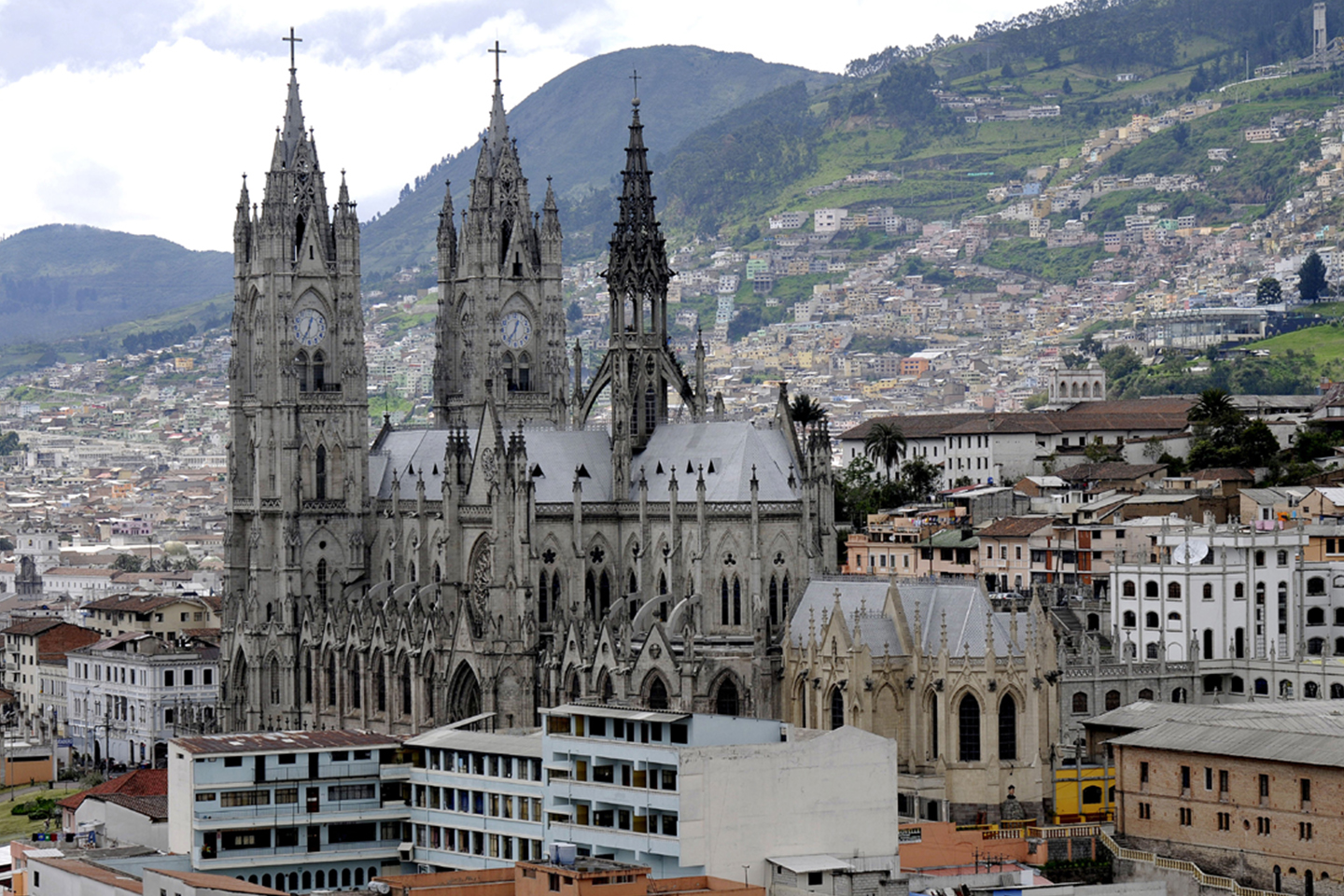
The historic center of Quito is a beautiful colonial space located at 2,800 meters above sea level.
Nestled on the slopes of the Pichincha volcano, in 1978 Quito joined Poland’s Krakow as the first two cities declared World Heritage Sites by UNESCO.
The Church of San Francisco is the largest set within the historic centers of the colonial cities of America, which is why it is called the “Escorial of the New World”.
The Virgen del Panecillo is a modern Quito icon, with a viewpoint from which you have the best views of the city and its volcanic sentinels.
37. Vienna, Austria
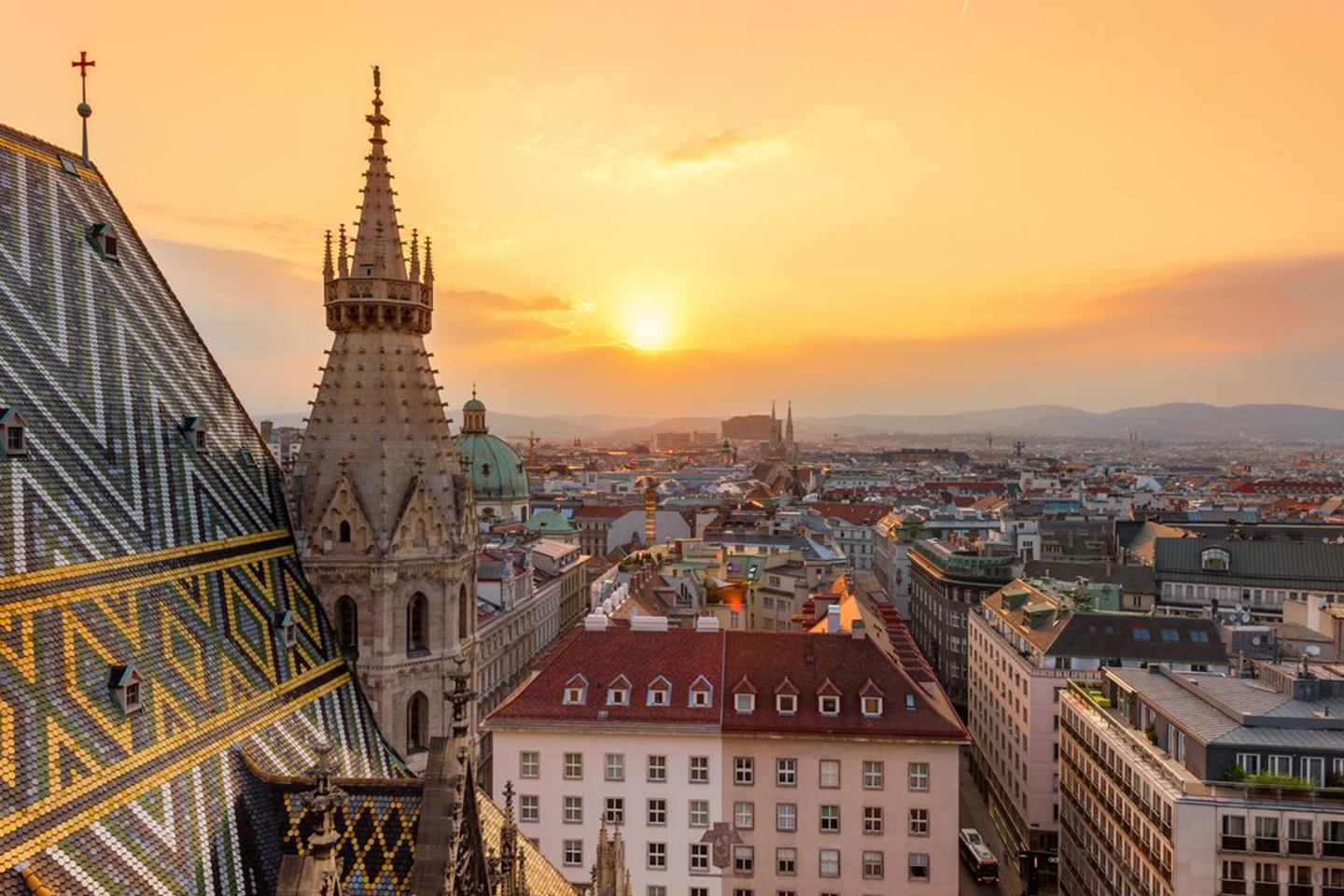
The capital of Austria and of the waltz is one of the oldest cities in Europe and one of the most artistically rich.
In its historic center, declared a World Heritage Site in 2001, it is possible to read the evolution of European architecture from the Middle Ages to the Gründerzeit or “Age of the Founders” in the 19th century, passing through the Baroque period.
The Schonbrunn Palace and its beautiful gardens, called the “Viennese Versailles”, is the emblem of the city.
The famous Vienna Woods that surround the city are a biosphere reserve frequented by Viennese and visitors alike for wildlife viewing and outdoor entertainment.
38. Quebec City, Canada
The province of Quebec and its capital of the same name have such a particular profile that in 1995 a separatist referendum was held in which supporters of the separation of Canada obtained 49.4% of the votes.
More than 96% of Québécois speak French and French culture is captured in all facets of city life, from conversation to food.
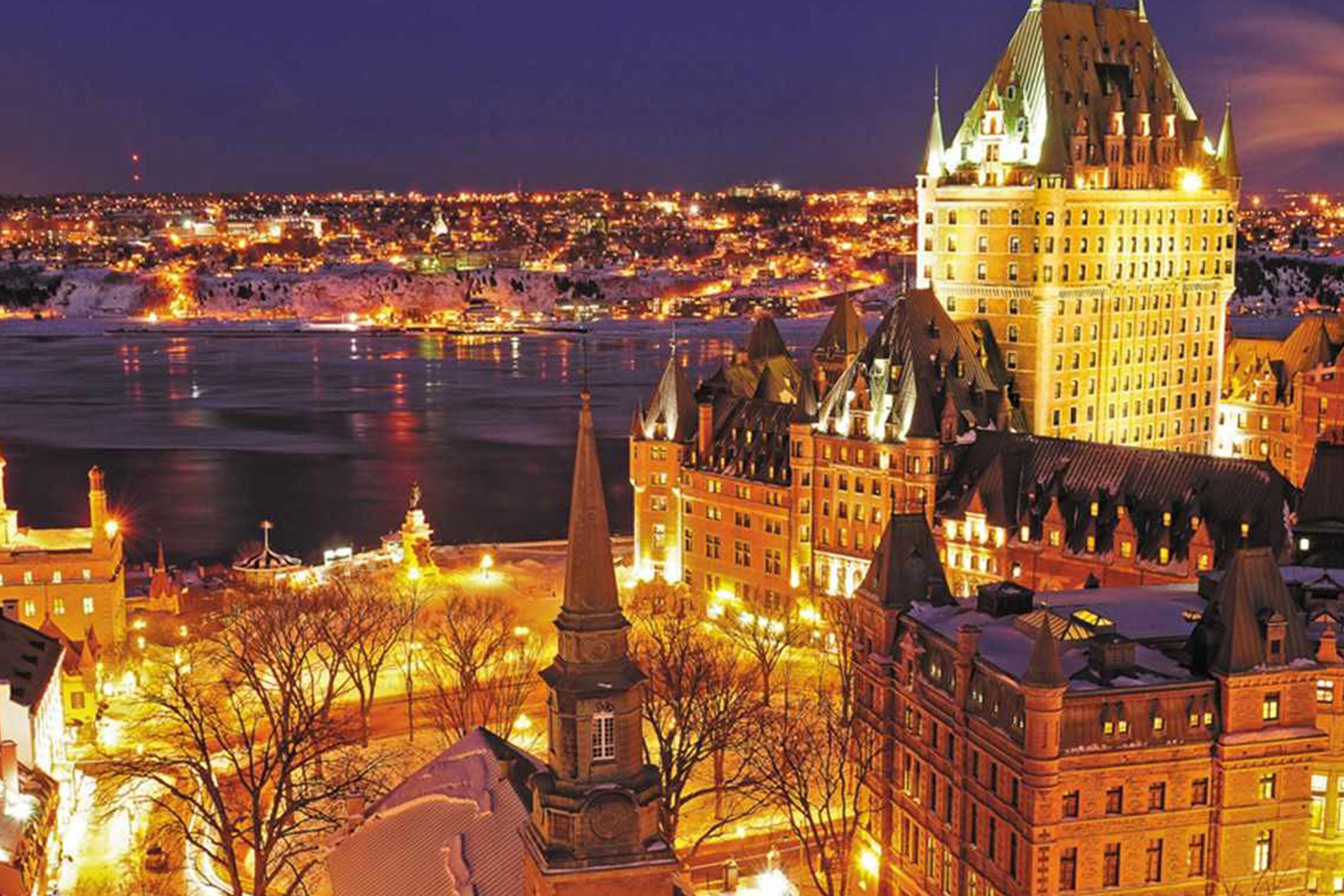
Old Quebec is a World Heritage Site and highlights places such as Cháteau Frontenac and the Notre-Dame Basilica.
Fontenac Castle, the symbol of the city, is an imposing building built in 1893 as a hotel for the powerful Canadian Pacific railway company.
39. Jerusalem, Israel

Politically it is the capital of Israel, but culturally it is the Holy City of the three great religions.
The history of Jerusalem is linked to the Biblical patriarchs, as well as to Jesus and Muhammad and the Wailing Wall, a vestige of the Temple of Jerusalem; the Church of the Holy Sepulcher and the Dome of the Rock are Jerusalem emblems of Judaism, Christianity and Islam.
Not everything is old in Jerusalem; The Shrine of the Book is an avant-garde building that was specially built to house the famous Dead Sea Scrolls.
40.Buenos Aires, Argentina

The Argentine capital retains the charm that led to calling it the “South American Paris.” Avenida 9 de Julio with its 67.5-meter obelisk and Avenida de Mayo with its famous Plaza de Mayo, are wide, majestic and centennial.
In its urban skyline there are examples of all the architectural styles that have been in vogue in Europe since the 16th century.
Buenos Aires is a city with an intense cultural life, with a powerful publishing industry and a large number of museums, theaters and libraries.
Do not forget to enjoy a night of tangos and the best cuts of meat in the world, washed down by good Mendoza wines.
41. Chefchaouen, Morocco
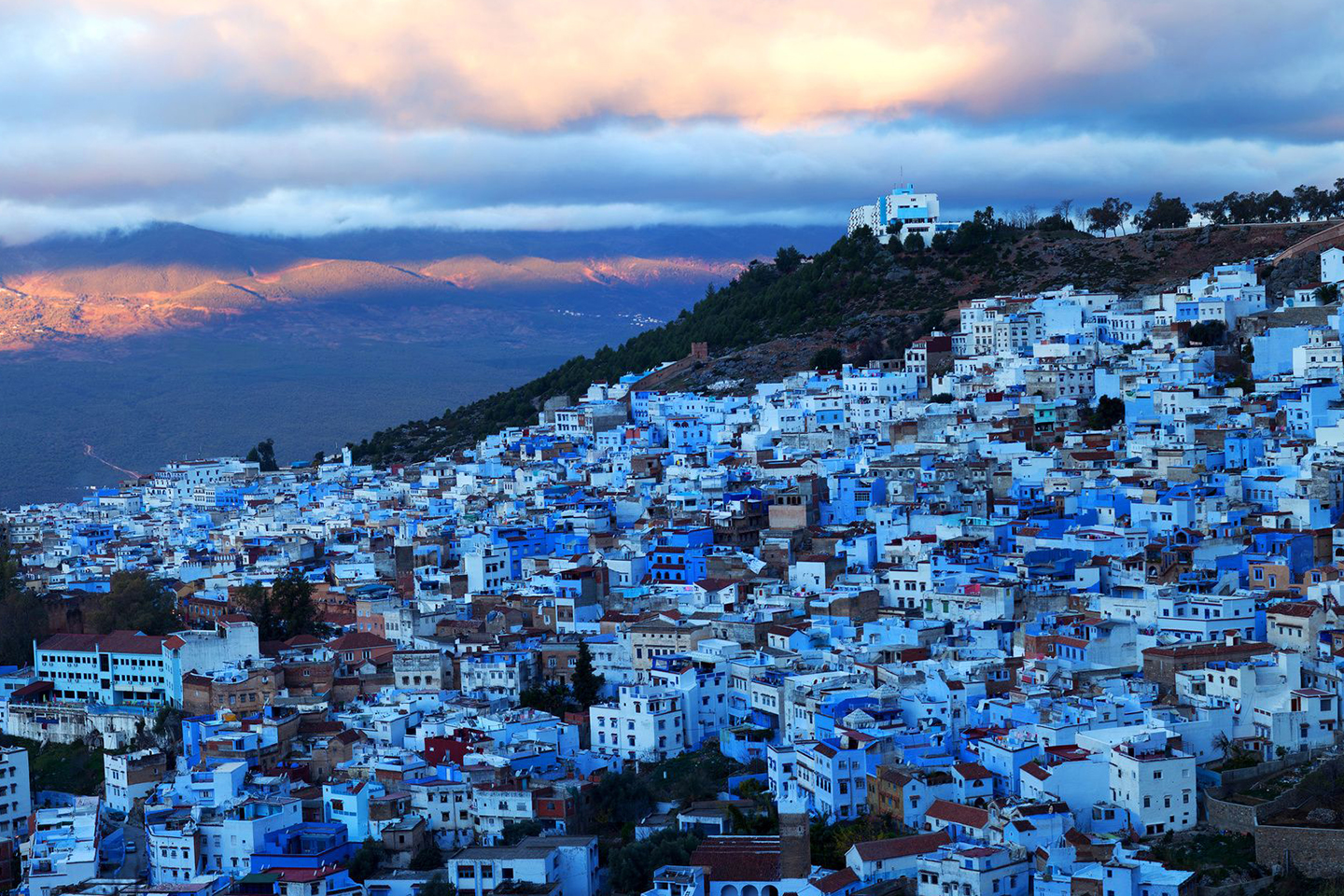
Its whitewashed houses painted in blue, its fortified city of La Medina and its mosques make La Perla Azul one of the most beautiful cities in the world.
This small town nestled in the Rif Mountains has an Andalusian flair because of the Spanish Jews and Muslims who emigrated to Africa after the Christian Reconquest of Andalusia.
The Medina was founded by nomads from the Sahara in the 11th century and from there imposing works were erected, such as the Koutoubia Mosque, the Menara Gardens and the El Badi Palace.
42. Isfahan, Iran

Iran’s third city is a masterful display of Islamic architecture in the midst of a temperate climate at 1,600 meters above sea level.
Isfahan is a city with a cosmopolitan air, with wide tree-lined boulevards and beautiful buildings that have led it to be called “Middle of the World”.
Several of its architectural gems are World Heritage Sites, such as the Grand Mosque, Naghsh-i Jahan Square, and Chehel Sotoun Palace with its superb Persian gardens.
43. Seville, Spain

Seville was already lucky but it got a little more when Dan Brown made it the setting for his bestseller The Digital Fortress and when the producers of Game of Thrones set their famous serial in the city of flamenco.
Sevillians take life easy, eating tapas with Jerez wines, withdrawing a bit during their fervent Holy Week, enjoying their tablaos and strolling among their impressive Moorish and Christian monuments.
There are always tourists at night in the tablaos and during the day touring La Giralda, the cathedral, the Basilica of La Macarena, the Reales Alcázares and La Cartuja.
44. Muscat, Oman
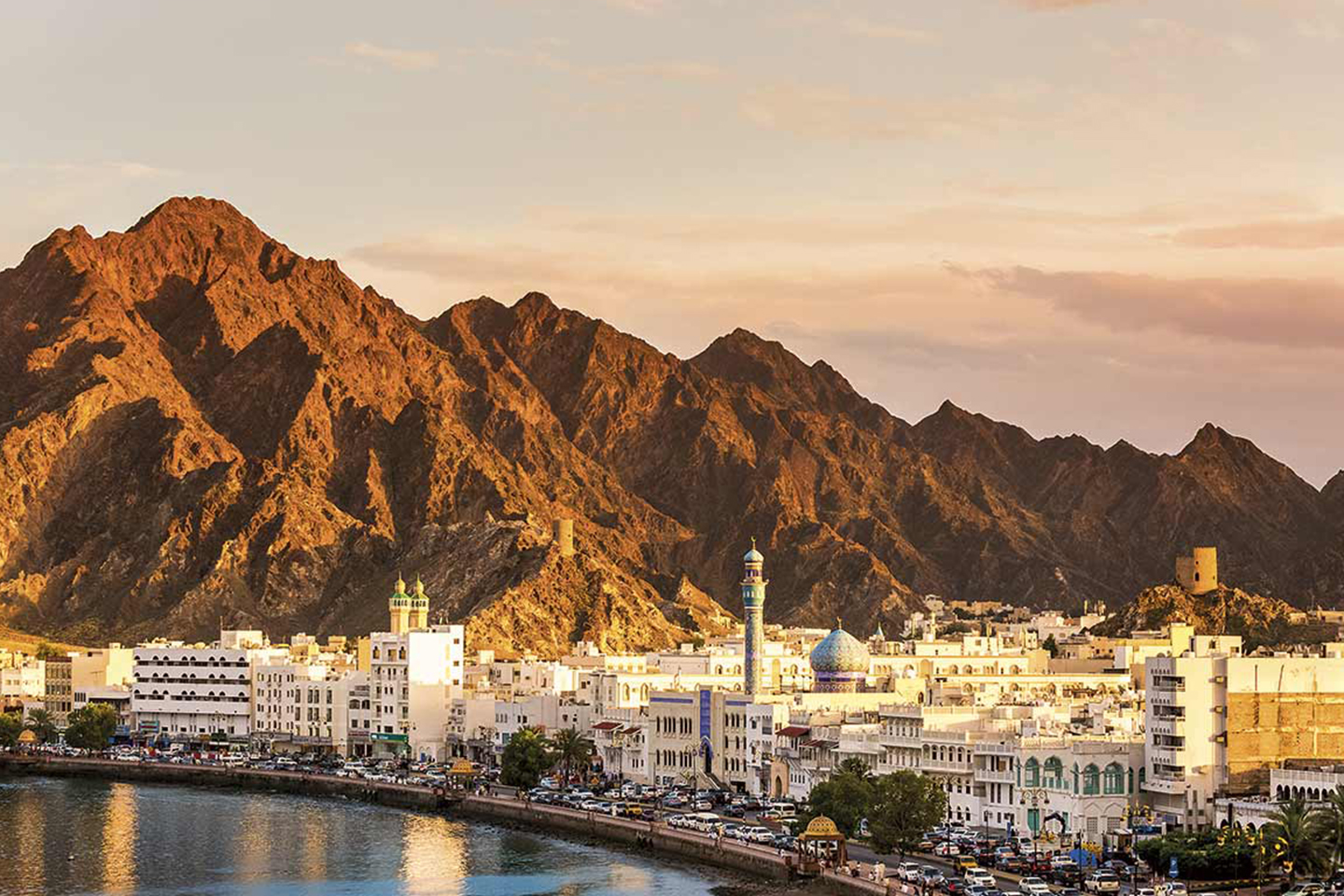
The Sultanate of Oman is an oil power and its capital, Muscat, is a symbol of its prosperity.
The Sultan Qaboos Grand Mosque, opened in 1992, is the main Islamic temple. It was made with 300,000 tons of Indian sandstone, can hold 7,250 worshipers, and its 21,000-kilo carpet has 28 colors and was woven by hand.
The highlands of the nearby Al Hajar Mountains are an oasis in the Arabian Peninsula, with interesting fauna and flora.
45. Chicago, USA
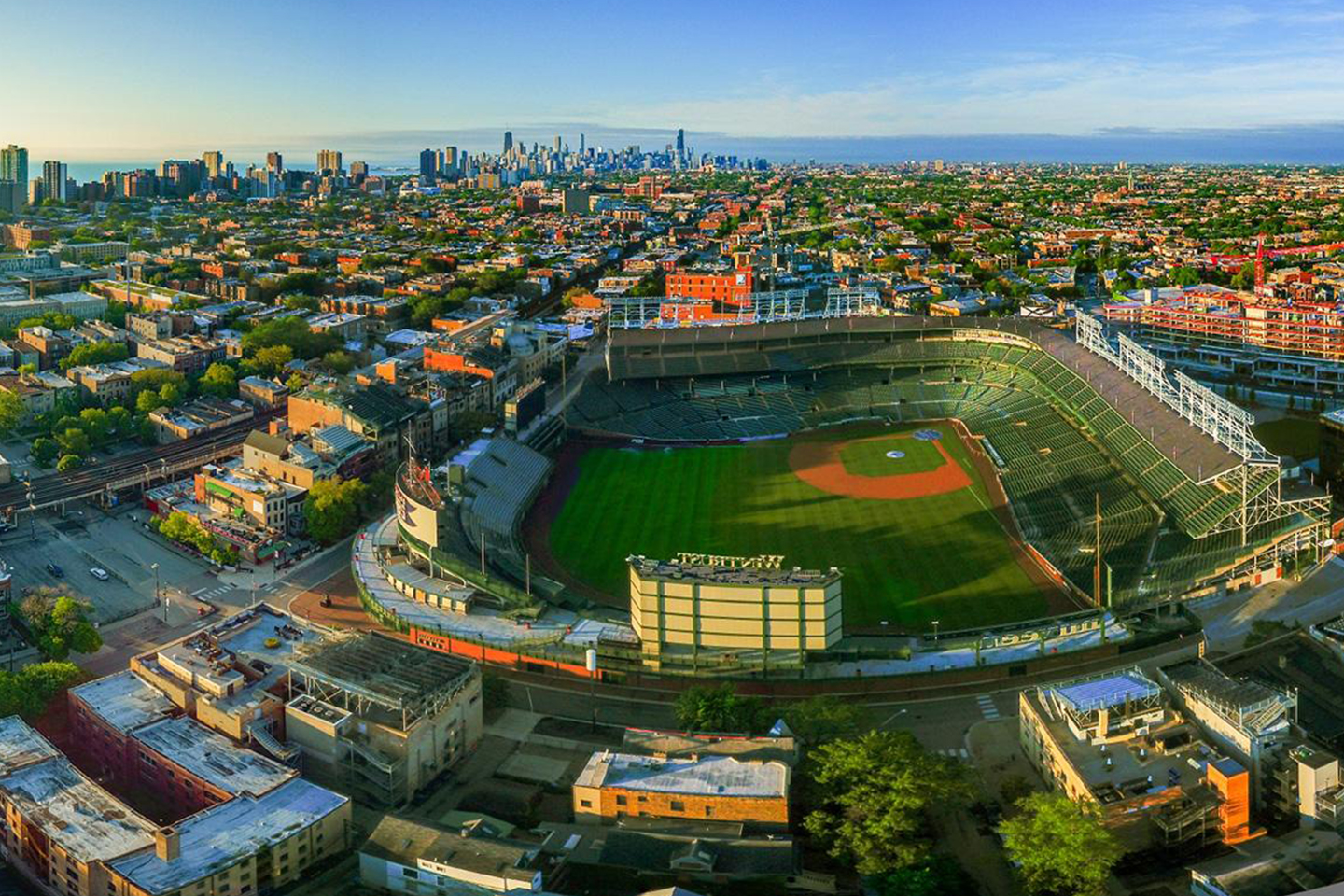
The Windy City has been beautiful since the world only associated it with Al Capone, the mafia boss died in 1947 from poorly cured syphilis, but he is still present in the city he believed to be his, through the Al Capone Tourist Route.
This includes N. Clark Street, where the St. Valentine’s Day Massacre occurred, and the Biograph Theater, where police killed mobster John Dillinger.
Chicago is a city with a vibrant cultural life, with museums of different genres and an intense musical activity in blues, jazz, soul and gospel.
Parks, recreational areas, restaurants and other attractions are lined up in front of Lake Michigan, making Chicago’s nickname of “Second City” even more incomprehensible.
46. kyiv, Ukraine
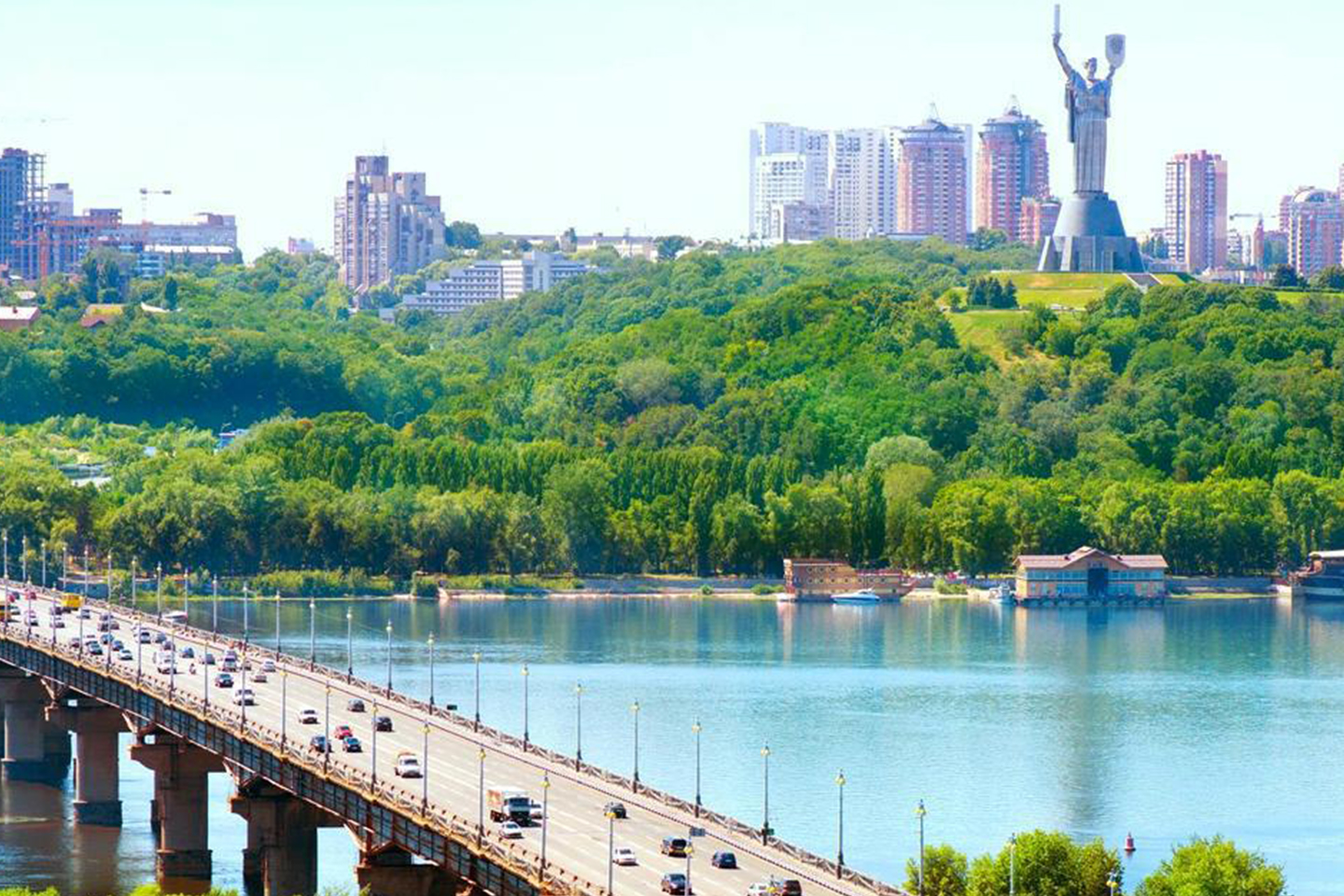
The Ukrainian capital finely combines classical architecture with contemporary achievements. Among the first, the Church of San Andrés stands out, a marvelous Baroque work completed in the mid-18th century, which dominates the Kievi landscape from one of the city’s hills.
The Motherland Statue dates from the last decade of the Soviet era and despite its beauty there are many in favor of pulling it down as a measure of “de-Russification”.
The Golden Gate was built during the 11th century in an effort to make kyiv look like Constantinople.
47. Hamburg, Germany

The great city and port on the Elbe and Alster is one of the most cosmopolitan towns in Germany, with its theatres, museums and active nightlife.
The city that was a mainstay of the Hanseatic League has left skyscrapers in the background, preserving low-rise architecture that makes its rich past more visible and welcoming.
St. Nicholas Church was the tallest building in the world in the 1880s and is currently the second largest in Hamburg. The Elbphilharmonie building is a novel architectural landmark.
Hamburg Central Park is a beautiful green space with a water tower and home to a huge planetarium.
48. Krakow, Poland

The election of John Paul II as pope brought this beautiful Lesser Poland city to the forefront of the world.
The charismatic Polish pontiff had been Archbishop of Krakow and something of an adopted son, now giving his name to the city’s modern airport.
The main Krakow tourist attractions are located in its historic center, headed by the Market Square, the Castle and the Wawel Cathedral and the Basilica of Saint Mary.
Another attraction is the factory where businessman Oskar Schindler, a real character from the famous film Schindler’s List , protected Jews persecuted by the Nazis in occupied Poland. Today it is a museum.
49. Salzburg, Austria

Among the best cities in the world to visit in summer is Salzburg, as long as you work the miracle of getting a hotel room or an entrance ticket to a concert or a theater show during its famous musical and theater festival.
The city is marked by music, as it was the birthplace of Wolfgang Amadeus Mozart, his father Leopold Mozart, organist Paul Hofhaimer, composer Joseph Mohr and notable conductor Herbert von Karajan.
The Amadeus imprint is everywhere in Salzburg, from the places where he delighted with his music to the restaurants where he ate.
If the musical agenda gives you a break, visit the cathedral, the Nonnberg Abbey, the Monastery of Saint Peter and, last but not least, the birthplace of Mozart.
50. Ho Chi Minh City, Vietnam

This Vietnamese city, formerly Saigon, is a city of contrasts, with modern towers shading stone citadels and ornate temples.
Ho Chi Minh City is a frenetic city, a labyrinth of alleyways that Hochiminenses or Saigonese prefer to travel on motorcycles, carrying the aromas of street food.
In the beer halls on the banks of the Saigon River you can spend a quieter time, while you gather strength to visit the famous Cu Chi tunnels, the Opera House and the Notre-Dame Cathedral.
What are the most beautiful cities in the world according to National Geographic
In its publication “Best Lists” the National Geographic organization points out what it considers to be the 20 most beautiful cities in the world, which you can see in the following video:
In the Nat Geo list there are 13 cities included in ours and seven that are not.
The 13 coincidences are Paris, Rome, Venice, Prague, Barcelona, Bruges, London, Buenos Aires, Saint Petersburg, New York, Cartagena de Indias, Vienna and Edinburgh.
The seven differences are Granada, Cuzco, Athens, Moscow, Rio de Janeiro, Tokyo and The Hague.
Any such list is unfair because it would have to leave out wonderful cities.
The seven on the Nat Geo list that are not on ours are perfectly deserving of appearing in a selection of beautiful cities.
Granada with the Alhambra, Cuzco with its Inca and colonial majesty, Athens with its Hellenic jewels and Moscow with the Kremlin are well worth it.
Like Rio de Janeiro, with its Sugar Loaf and beaches like Copacabana and Ipanema; Tokyo with its modern and medieval beauty and its oriental traditions; and The Hague with its beautiful architecture and museums.
The most beautiful city in the world?
We ratify the one that heads our list: Venice.
The Venetian palaces that flank the canals, the romantic bridges and gondola rides, the dreamlike medieval alleys and the magnificence of Saint Mark’s Square and Basilica are the main reasons for placing the capital of Veneto first.
The previous attributes are complemented by an exquisite gastronomy of the sea and land, traditions such as that of Murano glass, a spectacular carnival and the stories of its past and its legendary characters headed by Marco Polo.
The best cities in the world to live
If you could settle in one of the best cities in the world to live, what factors would you take into account in your decision? Probably several of the following:
- architectural beauty
- Museums and other spaces for cultural entertainment
- Fluidity, facilities and good quality in transport
- Good restaurants and places for nightlife
- Clean air and water, clean streets and low noise level
- Good extra-urban and international transport connections
- Adequate telecommunications services (television, Internet and others)
- Spaces, natural, parks and green areas to walk and practice outdoor entertainment.
Several cities have been mentioned above that pass this package of requirements and are great to live in. Among these cities are Stockholm, Sydney, Amsterdam, Hamburg, The Hague and Vienna.
Others that have not been mentioned are Melbourne and Adelaide (Australia), Vancouver, Toronto and Ottawa (Canada), Copenhagen (Denmark), Geneva, Basel and Zurich (Switzerland), Munich, Berlin and Frankfurt (Germany) and Luxembourg (Luxembourg). .