

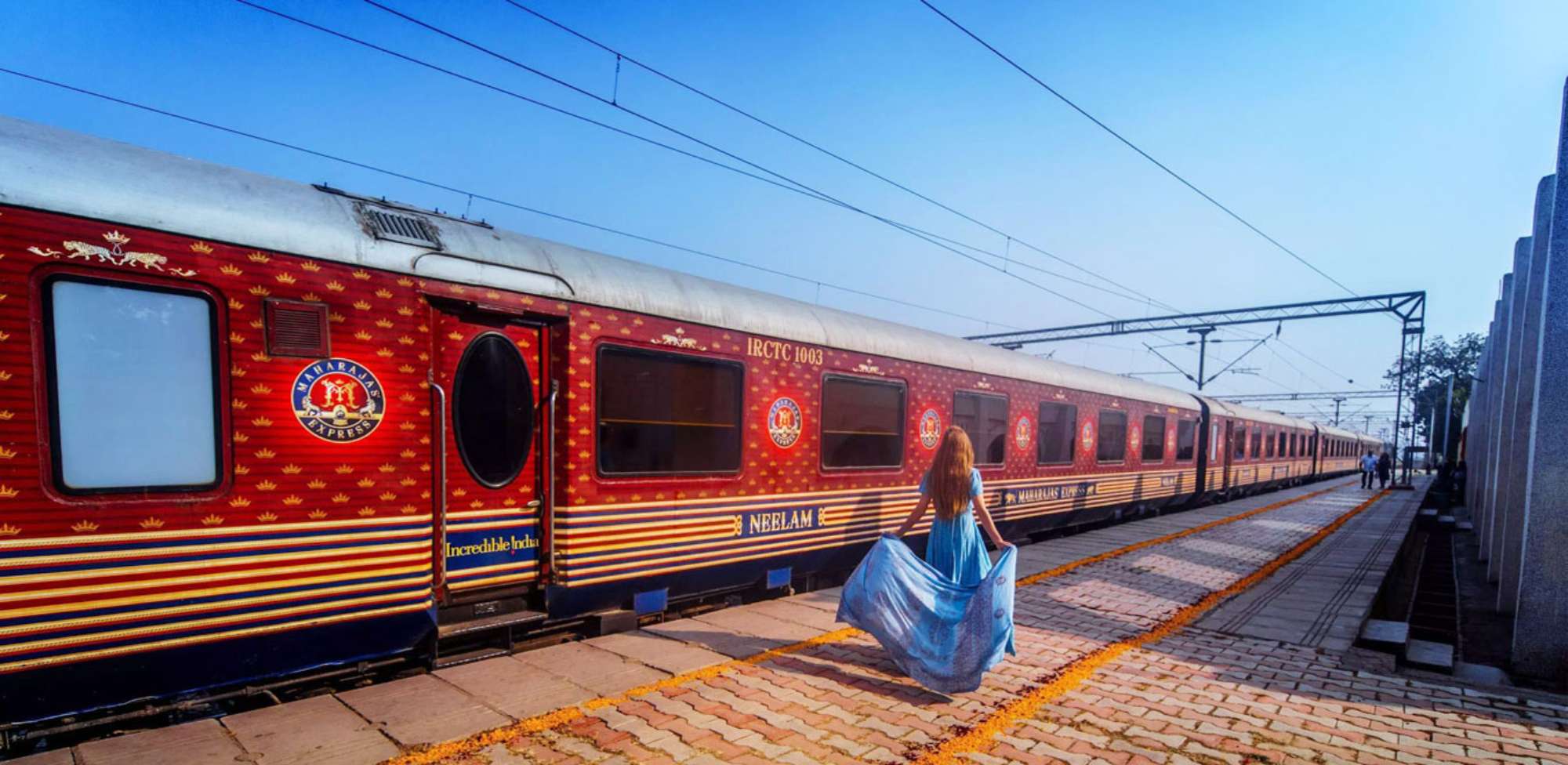
This journey from the capital, New Delhi, in a south-westerly direction to one of its megalopolises, Mumbai, by luxury train for 1,500 km means seeing only one face of the possible thousands that this polyhedral country has, since the Maharajas’ Express Maharajas’ Expresscombines glamor , elegance, comfort, gastronomy and romanticism, evoking a time of past splendor. More than a hotel on the move, the Maharajas’ Express is, as the first train of its kind was christened, a palace on wheels.
Its decoration recalls the golden age of the British colonial administration in the Hindustan region, when the maharajahs –princes or regents of an Indian state– traveled the country with all opulence and pomp. Each Maharaja could count on a dozen noble titles, several wives and concubines, innumerable children, servants, palaces, horses, elephants, private train cars… and, of course, some Rolls-Royces.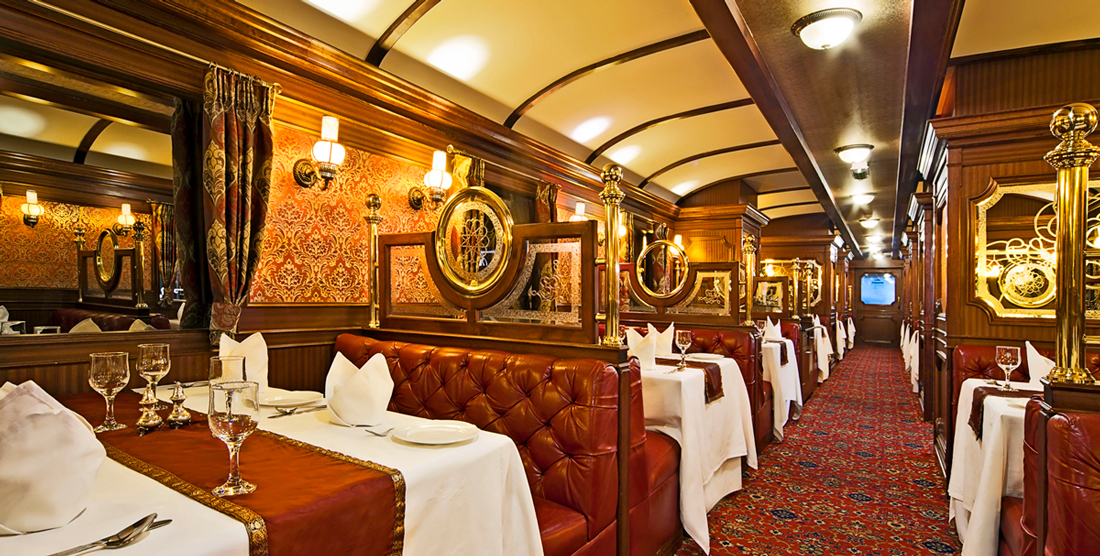 The decoration is lavish in the two restaurants of the hotel train.
New Delhi, start of the journey
A red carpet, a sign of distinction par excellence, shows us the way to follow at Safdarjung station, in the capital of India. The locomotive is followed by 22 cars, which can accommodate a maximum of 88 passengers divided into different rooms and categories. The presidential suite occupies an entire car and its amenities include a living room, two bedrooms and a stunning bathtub. The train also includes four suites of 20 m2, or what is the same, half car, 18 junior suites of 13.9 m2 and 20 luxury cabins.
With hardly any time to unpack, dinner is served. The train has two restaurant cars, the Mayur Mahal and the Rang Mahal, decorated in the purest Indian art deco style, where chef John Stone combines a menu of international dishes with others from the local gastronomic tradition. 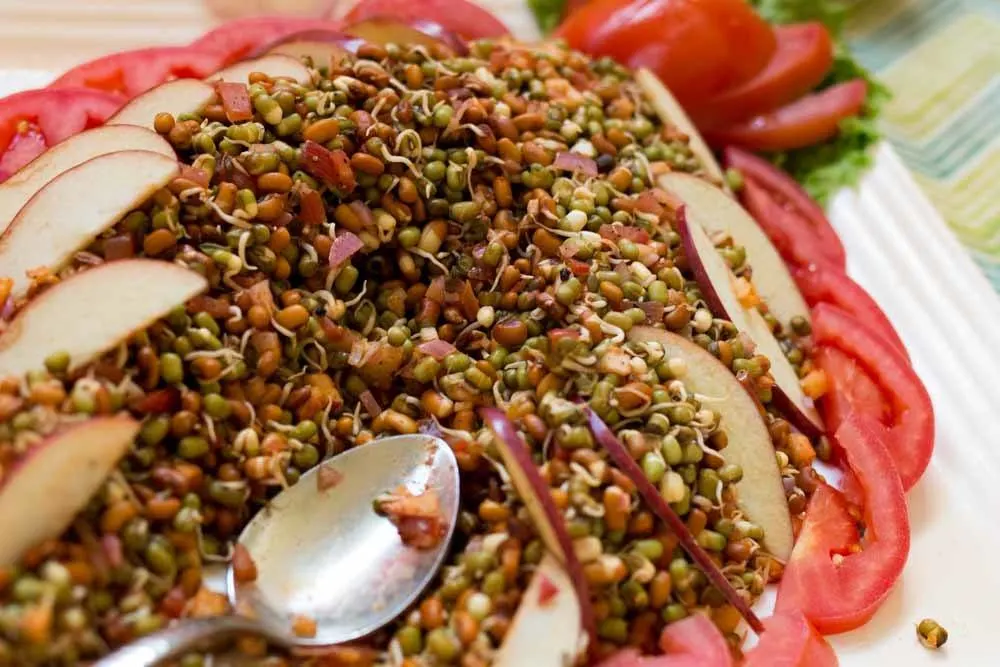 Dishes such as the typical Indian platter, the thali, are served in the restaurant.
Taj Mahal and Red Fort
At night, between rattles and clicks, the train makes its way until completing the 200 km that separate Delhi from Agra. The railway line winds parallel to our interests, following the course of the Yamuna River, the largest tributary of the Ganges River, which bathes the city of Agra, famous for hosting one of the seven wonders of the world: the Taj Mahal.
In the morning, get up early to be among the first to enter the Taj Mahal. The city is still sleeping and the streets are almost deserted because the sun has not risen yet. In the afternoon, visit the Agra Fort, on the banks of the Yamuna River. Sha Jahan was confined here after the death of his wife. From his windows, the king spent his last years looking at his wife’s resting place, the Taj Mahal, across the Yamuna River.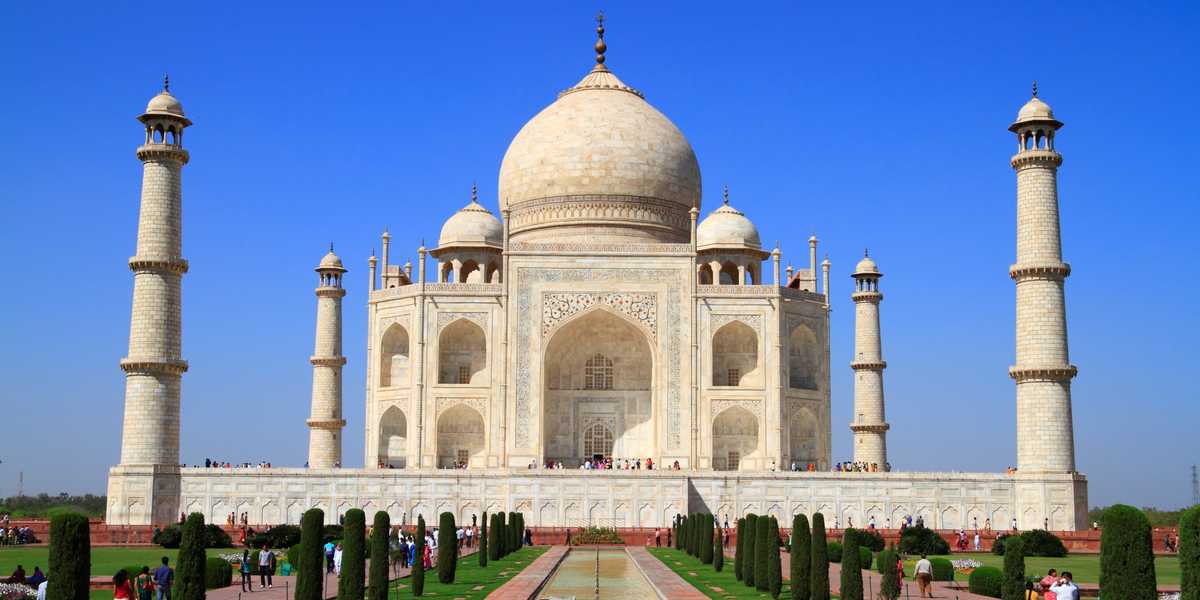 Exterior of the mausoleum.
In the footsteps of the tiger
The next day, we passengers split up into several SUVs to explore Ranthambore National Park and go on safari in the hope of spotting the Bengal tigers that still live there. The park, one of the largest in the country, was a private hunting ground for the Maharaja of Jaipur. At that time, tigers were hunted without regard, and were prized trophies. Of the thousands of specimens that lived here, today only about 70 remain, which, by the way, continue to be threatened by poachers. Seeing a tiger is difficult, but contemplating the incredible landscape and meeting a specimen of sambar is worth it. 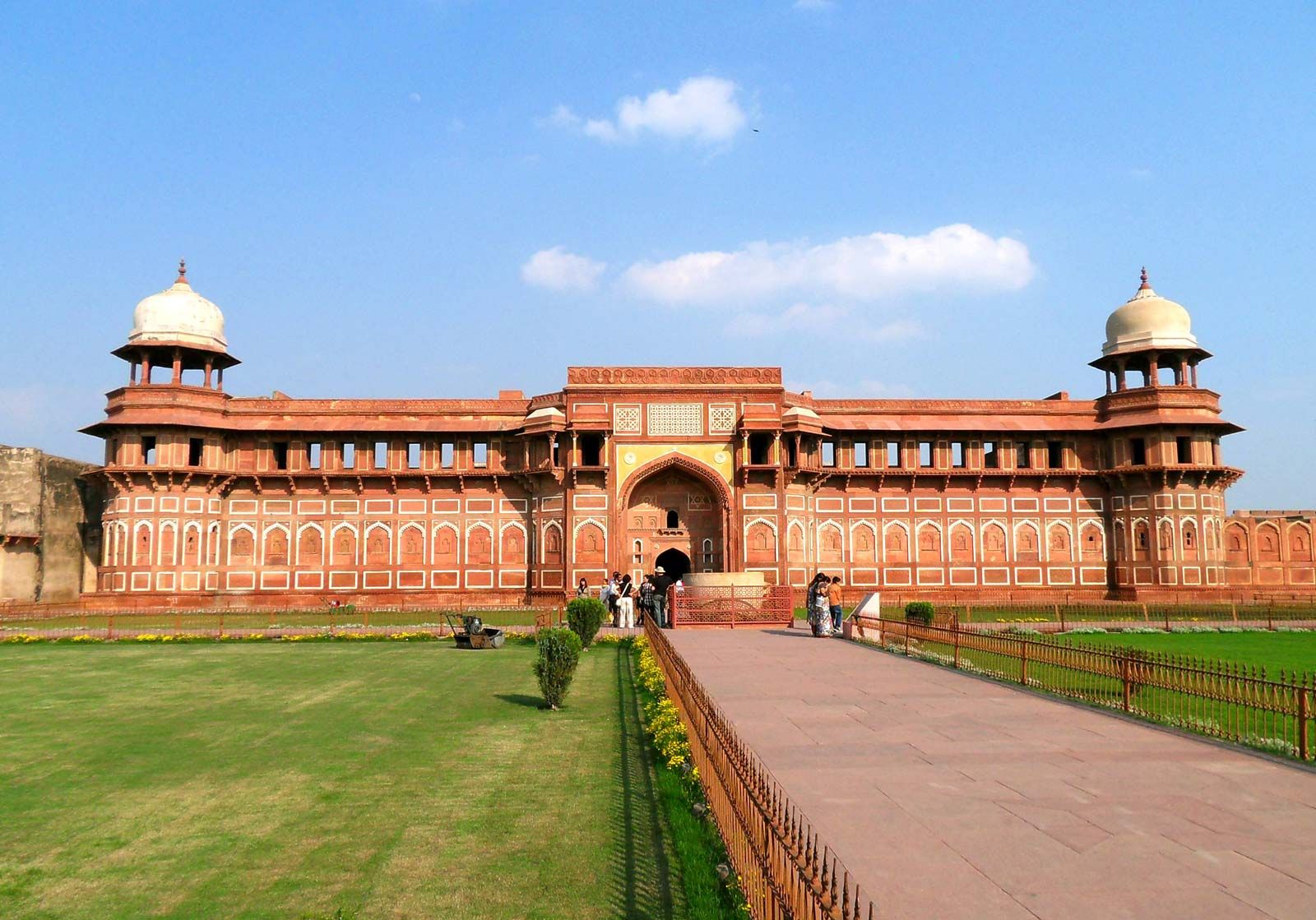 The Red Fort of Agra is a UNESCO World Heritage Site.
Jaipur, the pink city
While the food is served, the train advances to Jaipur, the pink city, capital of Rajasthan. At each station, a red carpet, local music and dance liven up the transfer from the train to the support bus that accompanies us on all excursions. In Jaipur we visit the Jantar Mantar, an 18th century astronomical observatory. It is one of the largest solar observatories in the world and is still in operation.
At the end of the visit to the observatory, we are transferred in the support bus for a gala dinner at the City Palace, inhabited at present and in some seasons, by the royal family itself. Located within the walls, it has several buildings, patios, gardens and walled areas. 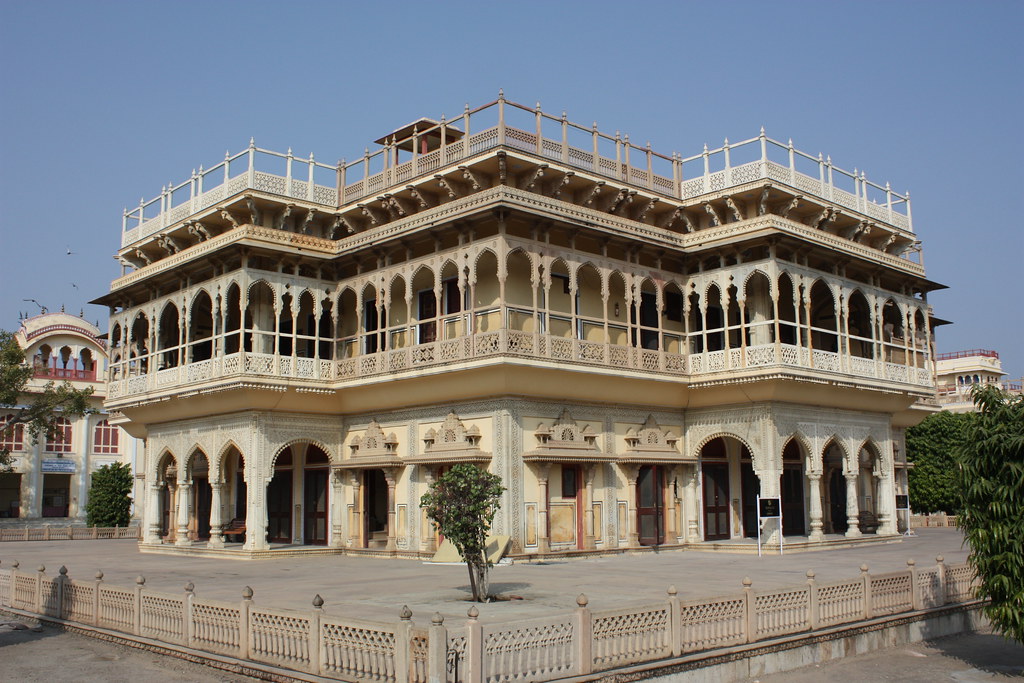 Mubarak Mahal Palace in Jaipur. Warm welcome with typical costumes, camels, music and a lot of opulence.
Bikaner, in the light of the moon
The next day the train arrives in the city of Bikaner, where the curious tradition prevails in men not to cut their mustaches. The length they reach is admirable: some even exceed 7 meters!
Among the monumental attractions of this city, the Junagarh Fort stands out, decorated with endless impressive 16th-century wall paintings, Hindu-style and inlaid with precious stones.
In the afternoon, camel-drawn wagons transport travelers to some dunes in the middle of nowhere, to dine by moonlight. Through this desert caravans of camels, men and horses transported precious stones and spices on the so-called Great Silk Road. The city of Bikaner was an obligatory stop on the route that linked Central Asia with the seaports of Gujarat.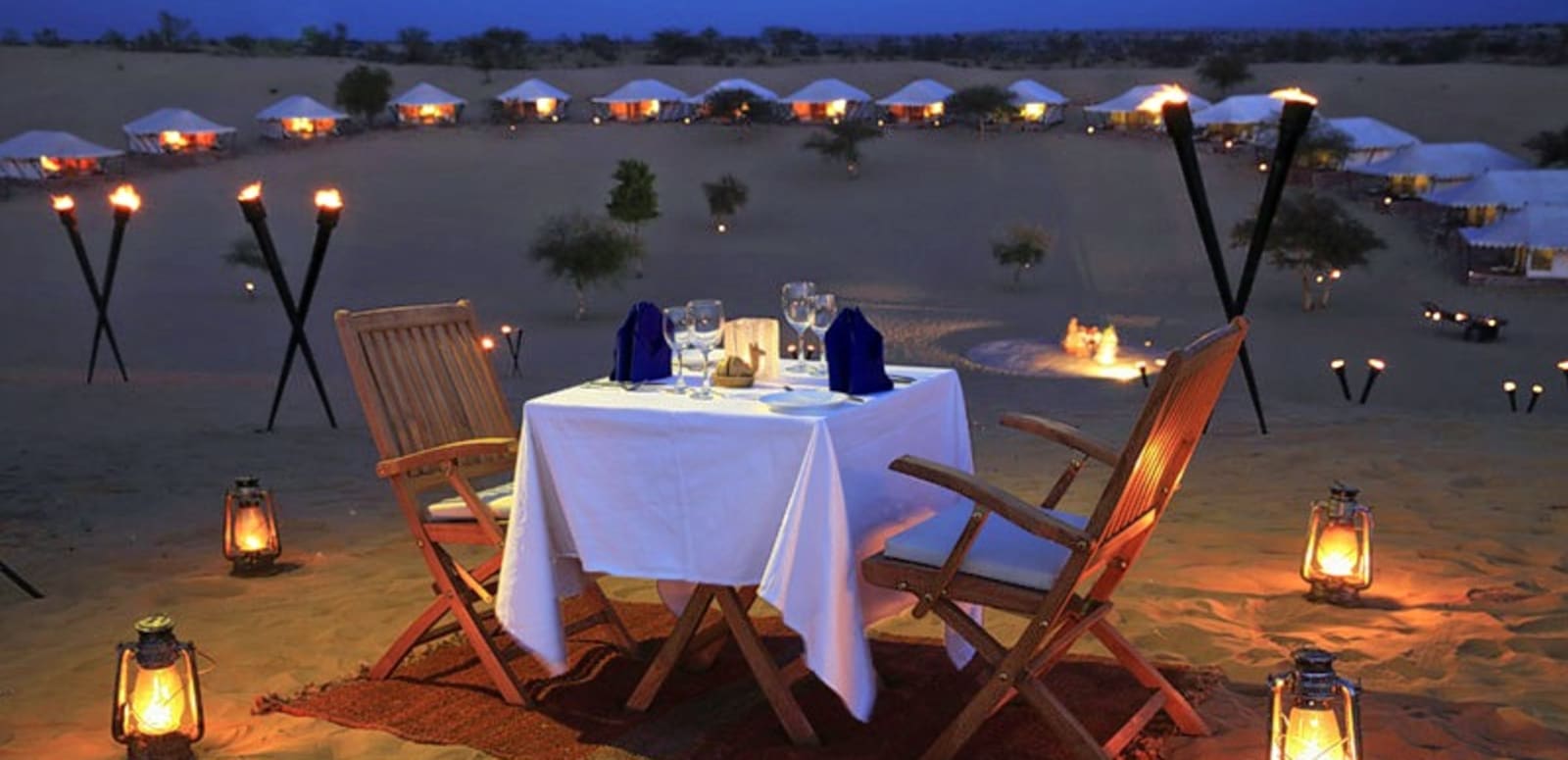 Gala dinner in the Thar desert, near the city of Bikane, illuminated by a bonfire and animated by traditional dances.
The Blue City of Jodhpur
On the fifth day, the train reaches Jodhpur, the largest city in the state of Rajasthan. Here you visit the Mehrangarh fortress, one of the most impressive in all of India, located at 122 m. From any point of the city you can see its wall, more than 36 m high. A museum located within it presents a rich collection of miniatures, musical instruments, costumes and furniture.


