

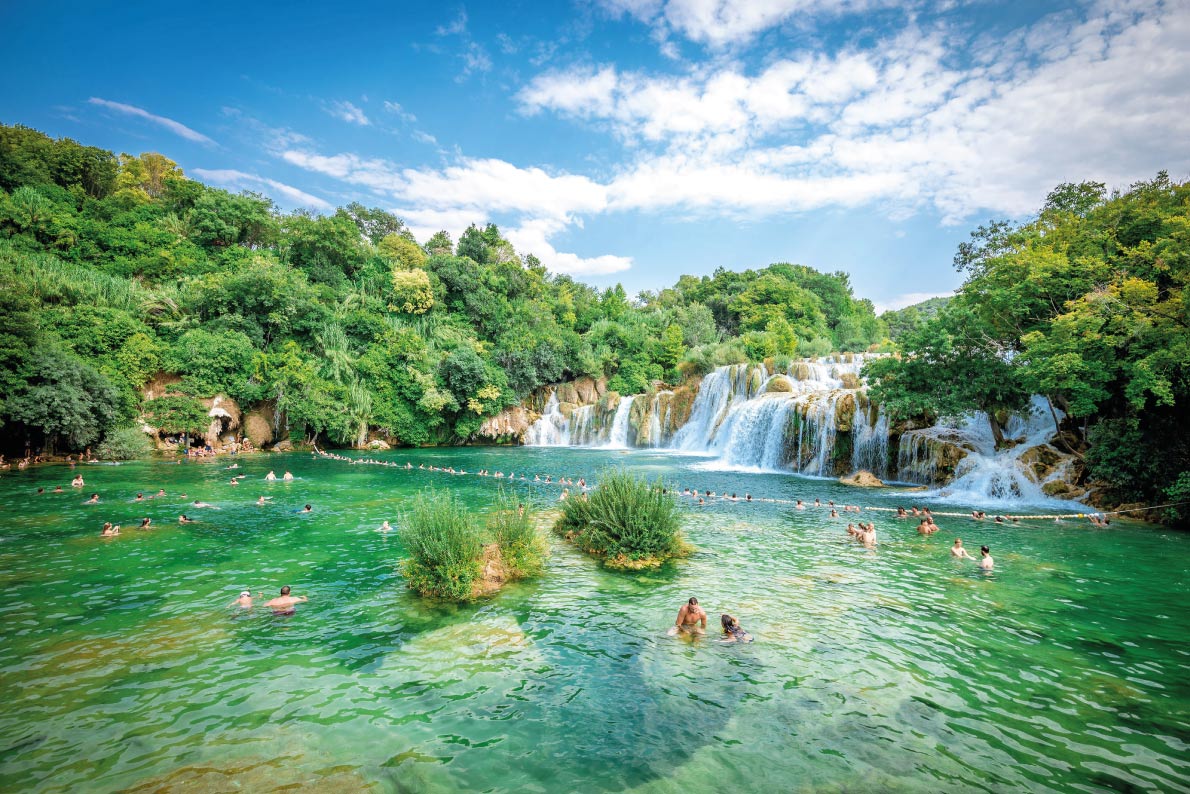
Spain and Portugal share many things, not only the Iberian Peninsula, but also culture , heritage and history. Regarding the territory, the northern part of the Portuguese country and Galicia have an almost identical geography .In addition, there is a natural park that extends over both borders.
It is the Gerés-Xurés Transfrontier Biosphere Reserve , which has a total of 330,874 ha spread between Spain and Portugal. In addition, it includes the villages de Bande, Calvos de Randín, Entrimo, Lobeira , Lobios y Muiños in Galicia; and Arcos de Valdevez, Melgaço, Montalegre , Ponte de la Barca and Terras de Bouron in northern Portugal.
Its important biodiversity
This natural space was declared a Biosphere Reserve in 2009 by UNESCO. This arose from the need to protect the great fauna and flora that the place houses, and in turn, promote the economic and tourist development of the regions and a better relationship between the populations and nature.
Its spectacular location is characterized by combining different reliefs, altitudes and habitats, which generates different microclimates facilitating a wide biodiversity. Thus, 147 species of birds have been identified in the territory , many of which are migratory, and 27 species of vascular flora included in the different protection lists at European, national and regional level, in addition to other endemic species .
An extensive artistic heritage
The territory in which this park is located has been home to various ancient civilizations. Therefore, it is not difficult to find monumental and artistic remains belonging to them. Throughout the entire reserve, the culture of the pre-Roman peoples is present in the impressive dolmens scattered throughout it.
In addition, it also has the emerging Roman camp of Aquis Querquernis , visible and visitable when the waters of the As Conchas reservoir drop in level. The Visigothic culture shows its presence in the church of Santa Comba de Bande, and the façade of the church of Santa María la Real, in Entrimo , is a clear example of Baroque architecture.
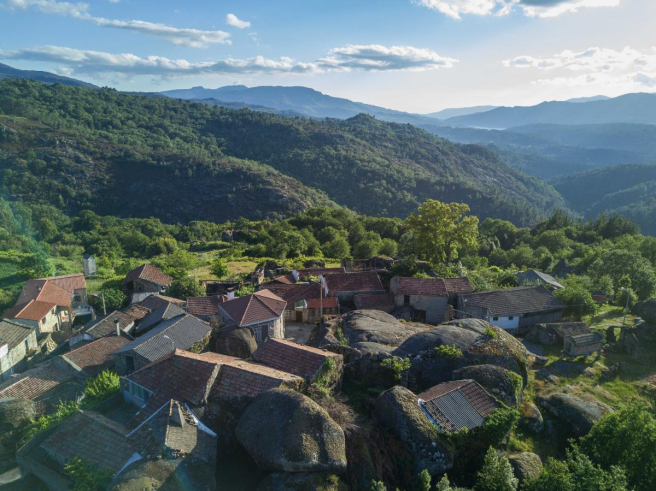
Gerês Biosphere Reserve
On the other hand, popular constructions such as mills, albarizas, hórreos (espigueiros in Portuguese), “chivanas” or fountains, among others, also predominate in its mountains .
A cross-border route
The Nature Reserve has numerous routes and excursions grouped into what is known as Trans Gerês-Xurés , active tourism packages that aim to publicize the natural and cultural values of the entire territory. In them, there are different itineraries focused on all types of audiences and tastes, divided into mountain bike routes (by bicycle) , family, roadtrips and hiking.
Among all of them, the Gerês-Xurés Biosphere Reserve Cross-Border Route stands out , which is divided into different stages and runs through the entire natural area. Its route includes a total of 290 kilometers divided into 16 stages , and in which you can choose both the starting point and the end.
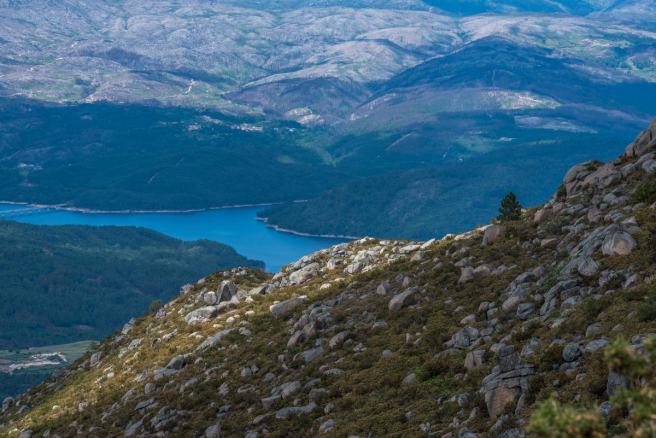
Biosphere Reserve Transfronterizes Gerés
On the other hand, the BTT route is a mountain bike journey that covers 160 kilometers divided into three stages . The starting point is in Maus de Salas in Muíños, and runs through spectacular landscapes of the Serra do Xurés, passing through the abandoned village of Salgueiro and along the Mina das Sombras track. Likewise, on the Portuguese side, you pass through the beautiful village of Campo del Gerês and the spectacular rocky areas and forests that characterize the Peneda-Gerês National Park.
These routes allow you to discover the hidden secrets of this natural park, such as its spectacular waterfalls , such as Pitões das Júnias or Corga da Fecha, as well as the Casiña da Moura and Outeiro da Cabalade dolmens.


