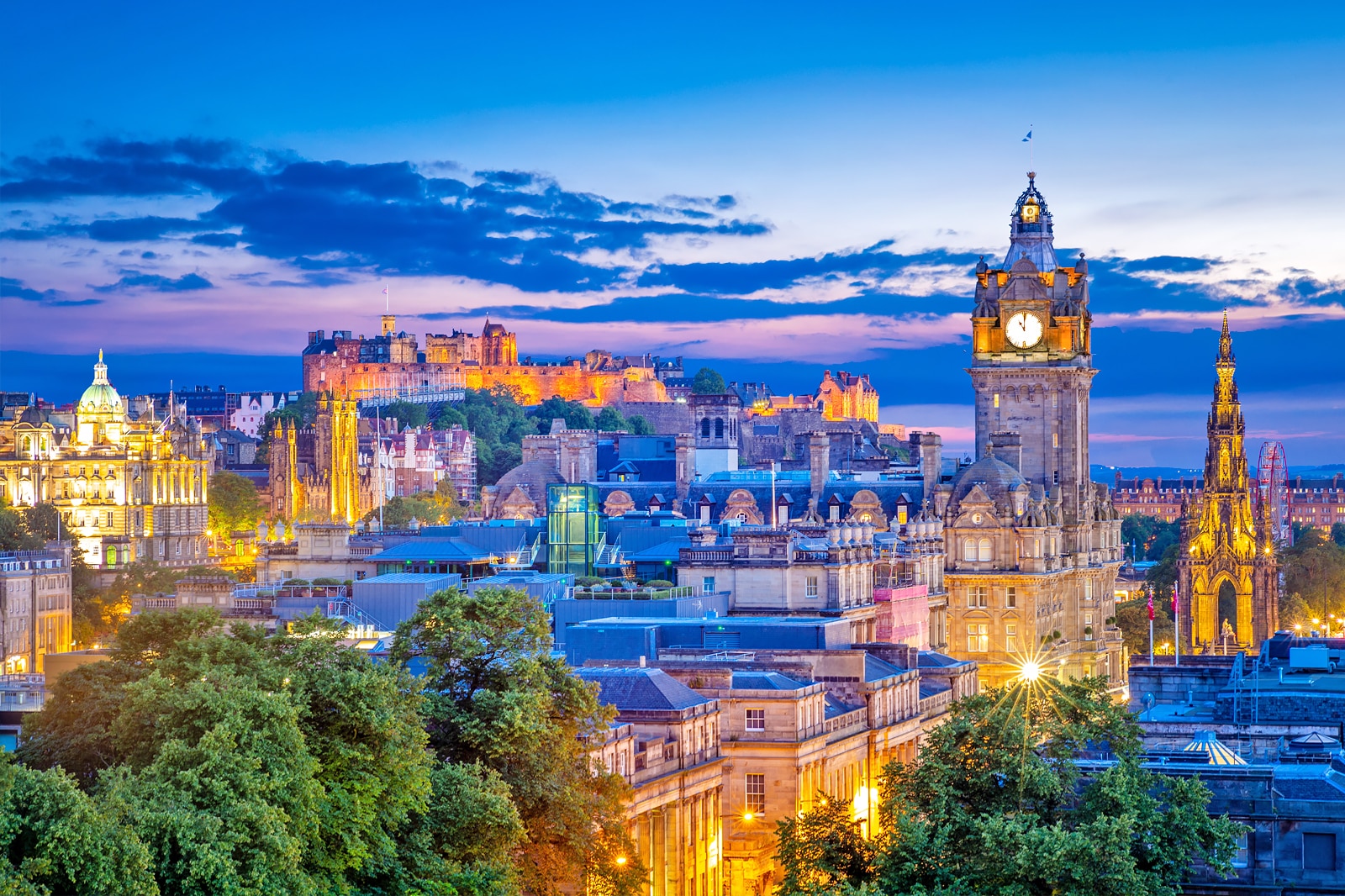
Located to the east of Scotland and bordered by the North Sea, Edinburgh is one of the most visited cities in the United Kingdom. The Scottish capital has two souls . On the one hand, the medieval city , which extends around the Royal Mile, its main street, and connects the castle with the Palace of Holyrood, the official residence of the British royal family in Scotland.
On the other, the new town , separated from the old part of Edinburgh by the gardens of Princess Street. It was built at the end of the 18th century to alleviate the problem of overpopulation and was born as a residential neighborhood, with stately buildings and large avenues, to which the wealthiest citizens moved.
The new town is a walk from the old town. In fact, in Edinburgh the distances are very short , so it is possible to visit the main monuments simply by walking .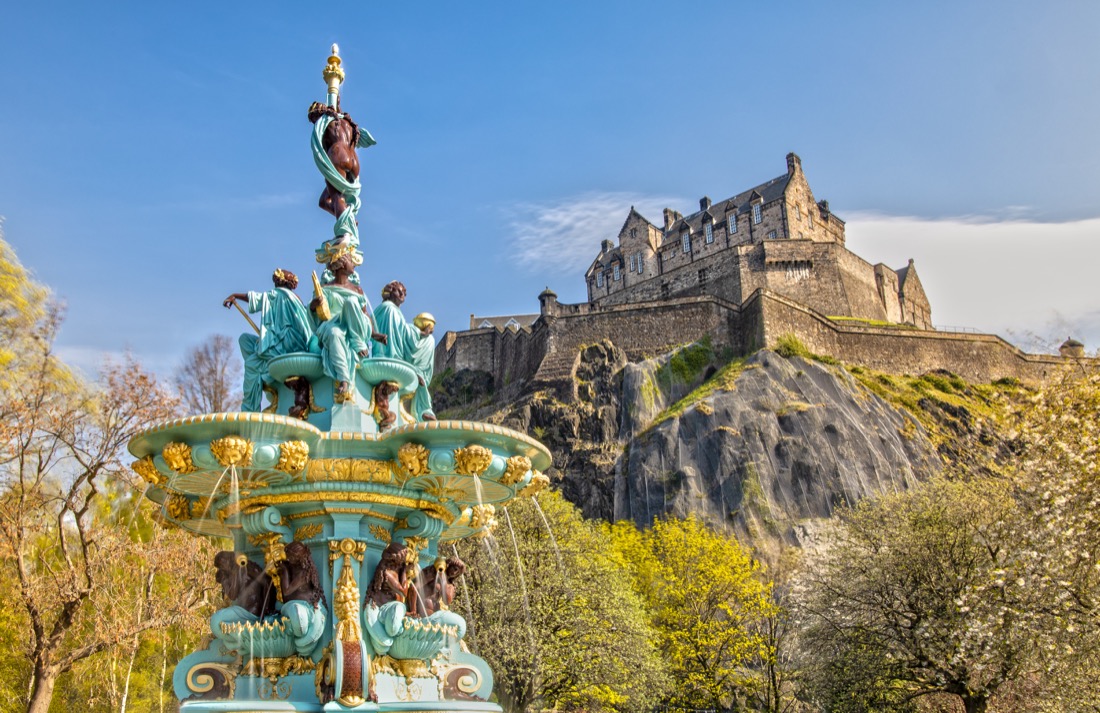 Princess Street Gardens, Edinburgh, Scotland.
A walk through Edinburgh
If you have little time to get to know the Scottish capital, Jacobo García-Manzano, operations executive of Viajar por Scotia, an agency that offers guided excursions in Spanish throughout the country, recommends visiting “the castle, Calton Hill and the National Museum ”.
The castle is the most representative monument of Edinburgh . Located on a steep hill, it is only accessible from the Royal Mile. The entrance of the fortress is guarded by the statues of King Bruce and William Wallace, two historical figures well known throughout the world due to the movie Braveheart.
Inside the castle grounds there are several places worth stopping at, such as the chapel of Santa Margarita, which is the oldest building in the city , or the memorial to the Scottish soldiers who fell in the various wars.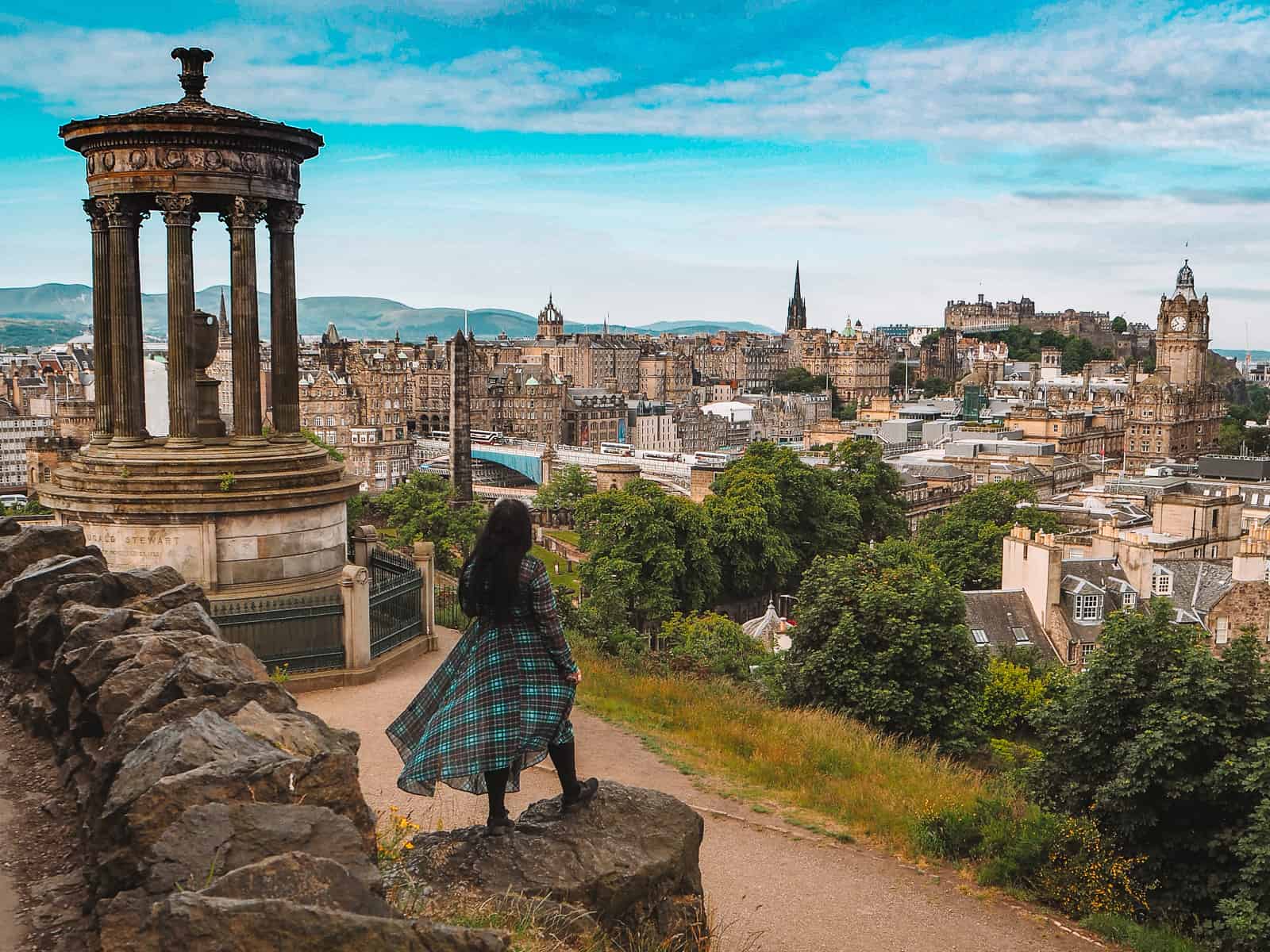 Views from Calton Hill, Edinburgh, Scotland.
Calton Hill and the Scottish Parthenon
The one o’clock cannon took over from the time ball at the Nelson Monument, located on Calton Hill , a park with stunning views of the city . Every day at one o’clock the ball fell from the top of the tower with the intention of guiding the sailors. However, the ball drop was difficult to see from the fjord due to the usual presence of fog, so this method was no longer used.
A few meters from this tower stands the National Monument of Scotland , built at the end of the 19th century to honor the soldiers who fell during the Napoleonic wars.
The idea was to make a replica of the Parthenon in Athens , but the budget for the work ran out (it is said that a good part of it was spent on whiskey) and the project was eventually abandoned . Only a small part of the Parthenon was built.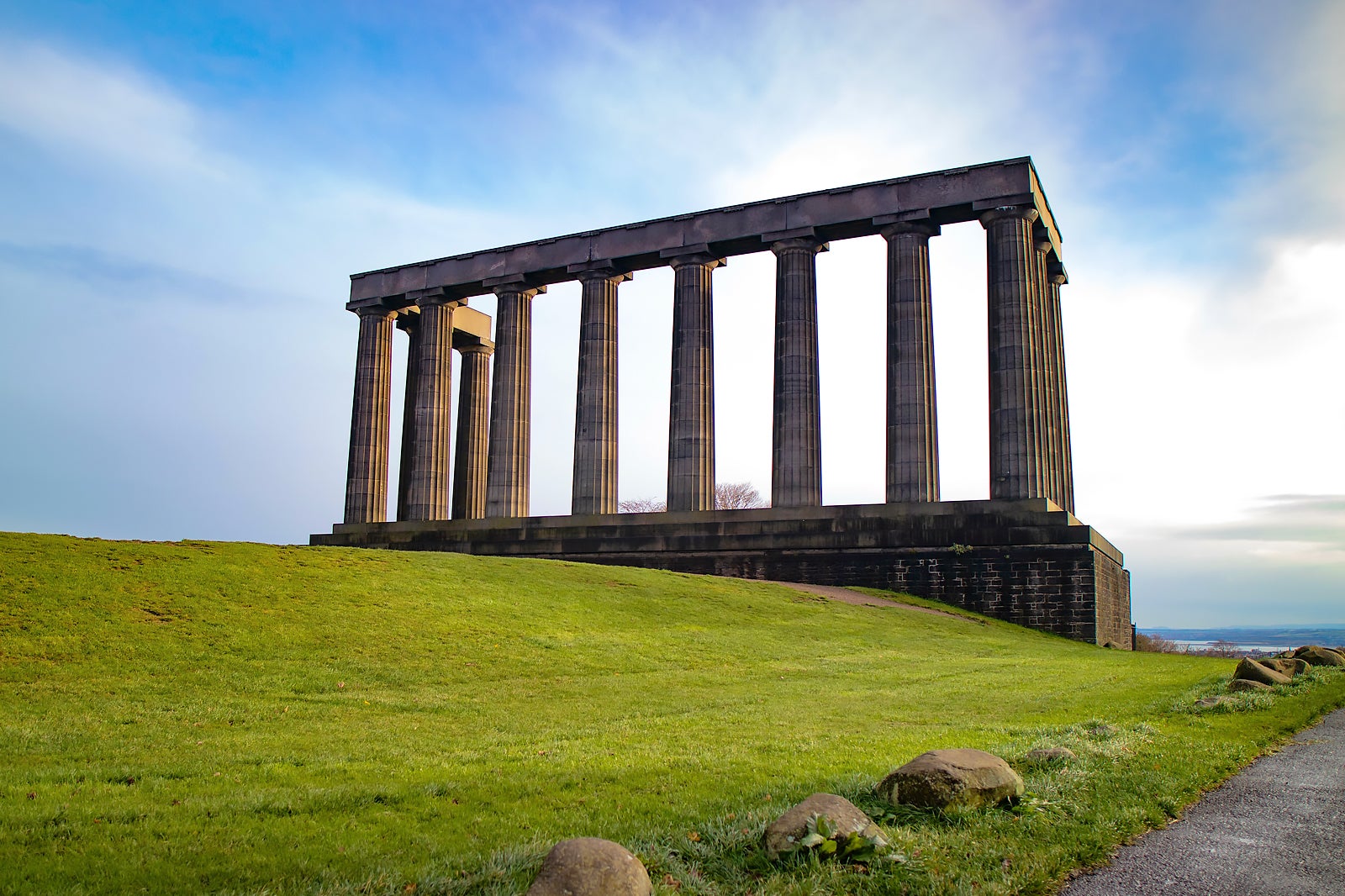 National Monument of Scotland, Edinburgh, Scotland.
Originally, the citizens called it the shame of Edinburgh, but today, with its 12 columns, it is a much appreciated monument and one of the most iconic in the city.
In addition to the castle and Calton Hill, among the essential visits recommended by Jacobo García-Manzano is the National Museum , which exhibits collections of nature, science and culture and houses the famous stuffed Dolly the sheep. Dolly was the world’s first cloned mammal.
Likewise, Edinburgh has a great art gallery, the National Gallery of Scotland , with works by great masters of painting such as Rubens, Rembrandt, Tiziano, Velázquez, El Greco and Monet. It is located next to Princes Street Gardens and admission is free.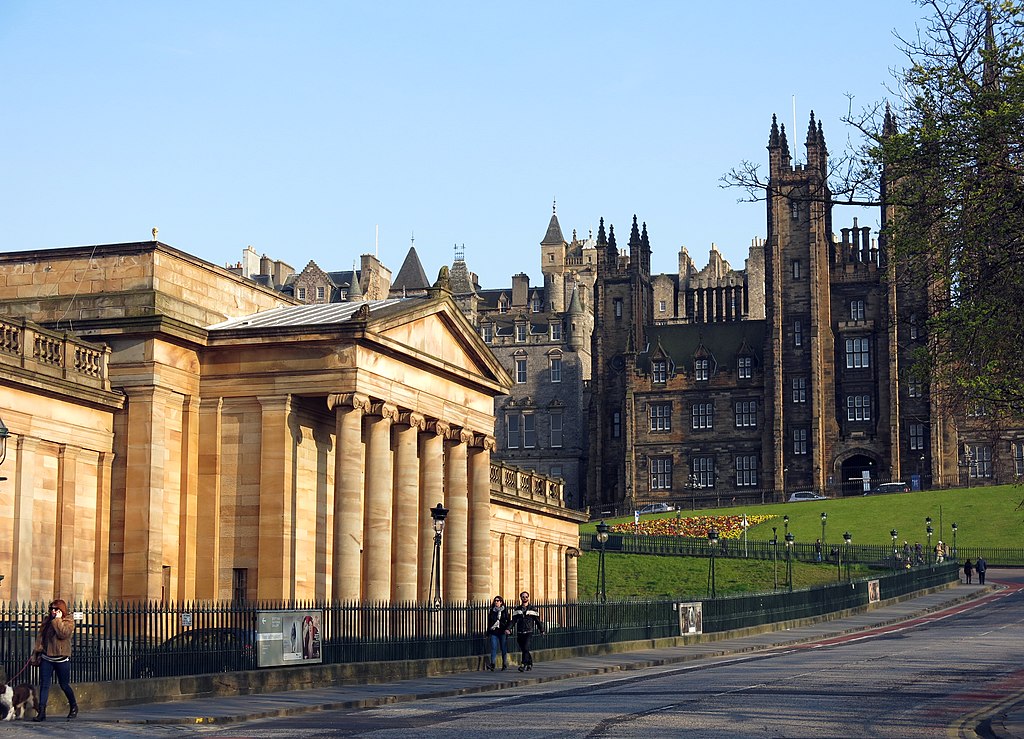 Scottish National Gallery, Edinburgh, Scotland.
Another distinctive museum in Edinburgh is the Writers’ Museum , dedicated to the life and work of three great Scottish writers : Sir Walter Scott, Robert Burns and Robert Louis Stevenson.
Scott ‘s imprint is very present in the city. There is a large monument in Princes Street in honor of the author of Ivanhoe and even Edinburgh Main Station is named after one of his novels Waverley by him.
Robert Burns is one of the poets most loved by the Scots. Also known as the bard of Ayrshire, he lived in the 18th century and wrote about the culture and traditions of his land.
Imagination to power
One of his most consolidated works is ‘The Strange Case of Dr. Jekyll and Mr. Hyde ‘, which tells the story of a prestigious doctor who at night transforms into a villain capable of any baseness.
Apparently Stevenson found the inspiration for this book in a character from his native Edinburgh . This is William Brodie , better known as Deacon Brodies, for being the president of one of the craft guilds in the city.
He was a well-known cabinetmaker who, due to his profession, had access to the houses of wealthy families. This gave him the opportunity to make copies of the keys so he could come back at night to steal.
For his robberies in houses, establishments and even in the University of Edinburgh he was arrested, tried and finally hanged before a crowd of 40,000 people. On the Royal Mile there is a tavern that commemorates this singular character, the Deacon Brodie’s Tavern .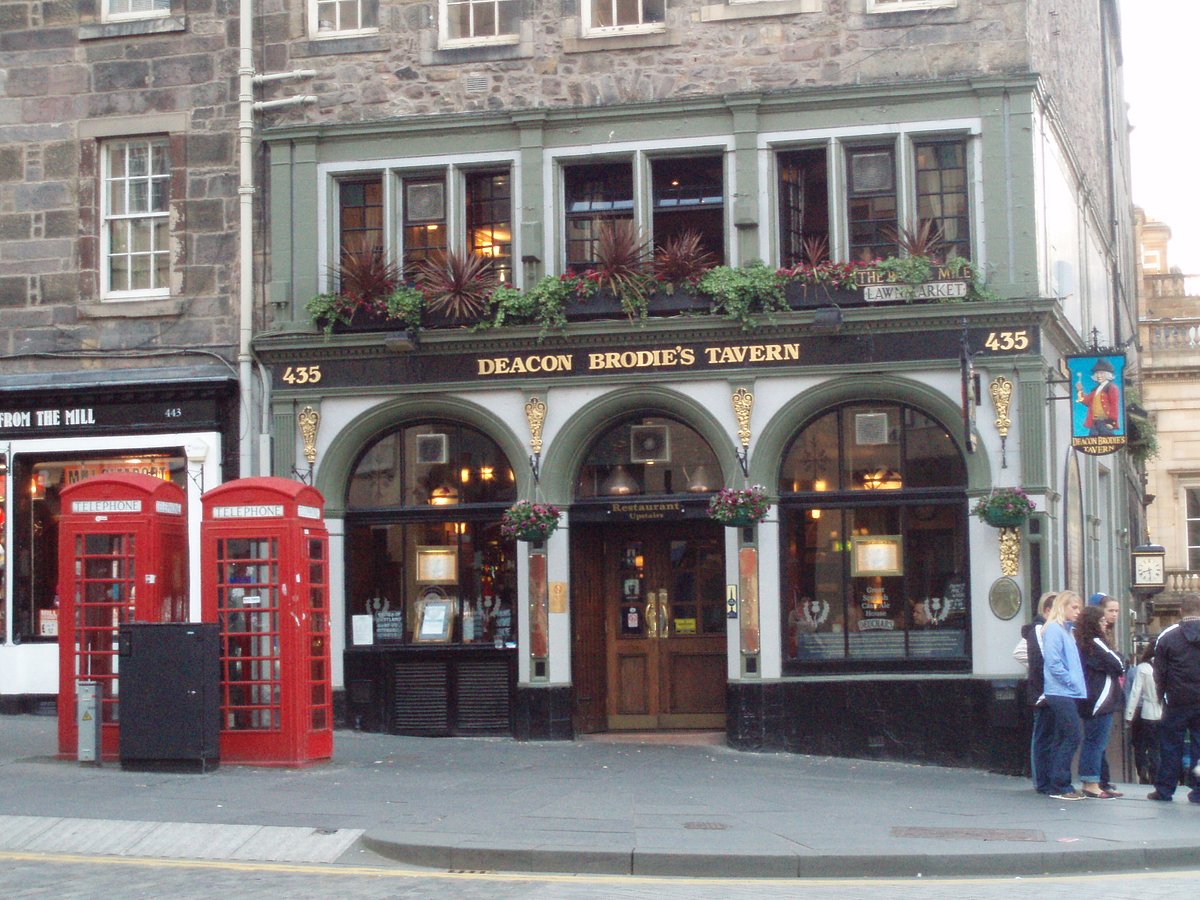 Deacon Brodies Tavern, Edinburgh, Scotland.
Not far from there, on George IV Bridge, is The Elephant House , the café where JK Rowling wrote the first of the ‘Harry Potter’ novels .
The local toilets have served as a canvas for fans of the popular magician. So much so that its walls, ceilings, doors and mirrors are full of phrases and dedications referring to the Harry Potter universe.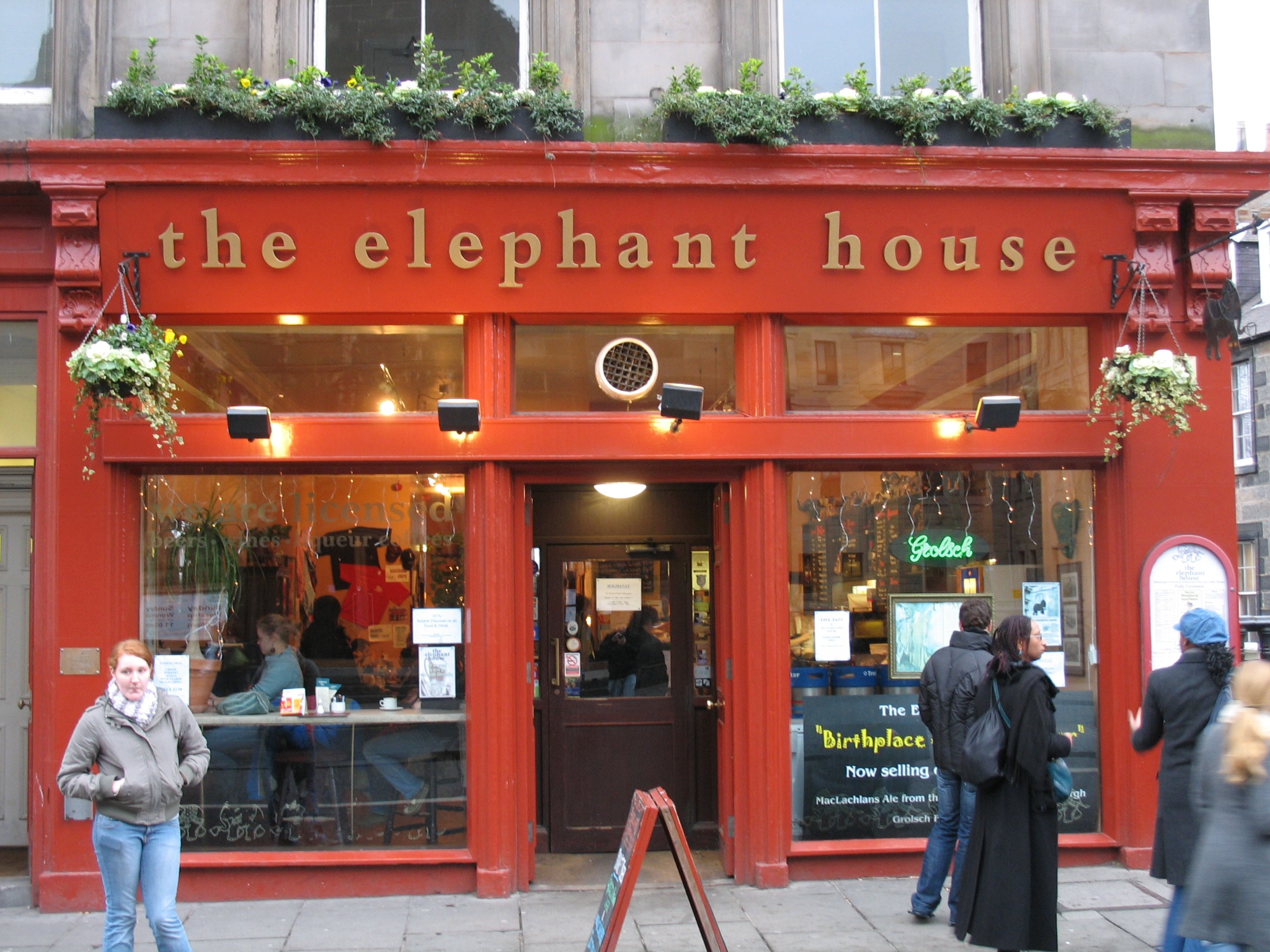 The Elephant House, Edinburgh, Scotland.
Great novels have been written in Edinburgh and legends of all kinds also proliferate. With its imposing castle, gloomy graveyards and haunting sights like the ruined Holyrood Abbey, the Scottish capital is the perfect place to let your imagination run wild.