Cities are full of contradictions: they can be beautiful, complex, uneven, vibrant, unsafe, green, and polluted at the same time. While these contradictory aspects coexist, people also experience the city differently, perceiving both its potential and its problems according to social factors, such as class, gender, and race, as well as their beliefs and values.
More than 80% of the population of Latin America lives in cities, which makes it one of the most urbanized regions in the world and brings challenges and injustices, such as the shortage of affordable housing, poor waste management, air pollution and water, inequality and insecurity. Faced with these challenges, climate change may seem like a low priority. However, disasters associated with weather changes have exacerbated various problems in our cities.
To better understand these challenges —as part of the Transformative Urban Coalitions (TUC) project, coordinated by the United Nations University and the World Resources Institute— the profiles of five cities in Argentina have been published ( Buenos Aires), Brazil (Teresina and Recife) and Mexico (Leon and Naucalpan). Metropolis with different contexts and cultures, but with an active population that has the same dream: a fairer and more sustainable city.
It is not uncommon for disadvantaged communities, mostly black or indigenous, to face a lack of economic opportunity, poor urban infrastructure, and long commutes to access services.
By analyzing these udders, through the lenses of political economy and political ecology, we can say that the challenges they face are interconnected and disproportionately affect certain social groups. It is not uncommon for disadvantaged communities, mostly black or indigenous, to face a lack of economic opportunity, poor urban infrastructure, and long commutes to access services. The good news is that if we can understand these connections, we can unleash the power of cities to offer integrated solutions that address climate change, biodiversity loss, the energy crisis, health problems and inequalities at the same time.
All of this may sound far off to most people. But Flavia Maia, a climate activist and descendant of climate emigrants from Brazil, warns: “For frontline communities, including those in Teresina, climate change is not an abstract phenomenon, it is affecting them now and climate injustice is evident.” .
Climate action can be a trigger to address urgent urban problems that transcend social polarization and respond to common demands.
Experts such as the Mexican researcher Marisol Romero affirm that effective strategies to generate a better understanding must resonate on a personal level: “It is essential to build common visions through languages that appeal not only to technical knowledge, but also to the diverse experiences of thinking , live and transit the city”.
New imaginaries that rethink urban development
The TUC project uses science and art to create languages, methodologies and tools that allow unlocking and enhancing the creative capacity of cities and their inhabitants to achieve transformations towards sustainability. New imaginaries are needed, in Latin America and throughout the world, in which development is reconsidered. We need to collectively shift our mental models of what urban growth entails, away from eternal economic growth ideals or technocratic mindsets to incorporate prosperity and well-being as key components of climate action.
“Climate action can be,” says Romero, “a trigger to address urgent urban problems that transcend social polarization and respond to common demands such as access to basic services, efficient mobility and the right to a healthy environment.”
This could be facilitated by incorporating climate objectives into urban improvement plans and projects and converting climate adaptation and mitigation projects into local development initiatives. However, TUC research suggests that the integration of the climate agenda in Latin American cities is hampered by several factors. These include gaps in municipal data, knowledge, and capacities related to climate change, short-term municipal administrations, fragmented political agendas, and insufficient funding.
Where to focus attention?
In some cities, for example in Naucalpan (Mexico) and Teresina (Brazil), urban climate governance is still emerging, which represents a key opportunity to promote coordination between different agencies and governmental scales; increase technical knowledge in municipal government and awareness at the community level; promote the generation and dissemination of climate data; strengthen citizen participation, especially of vulnerable groups; and leverage public and private funds in accordance with climate action.
In cities with more consolidated urban climate governance, such as Buenos Aires (Argentina), Leon (Mexico) and Recife (Brazil), the focus should be on linking strategic planning and implementation at the neighborhood scale. Socially more just and sustainable development trajectories can be activated through capacity building to respond to the climate emergency; amplifying transformative climate initiatives driven by local communities; and the restructuring of financial flows.
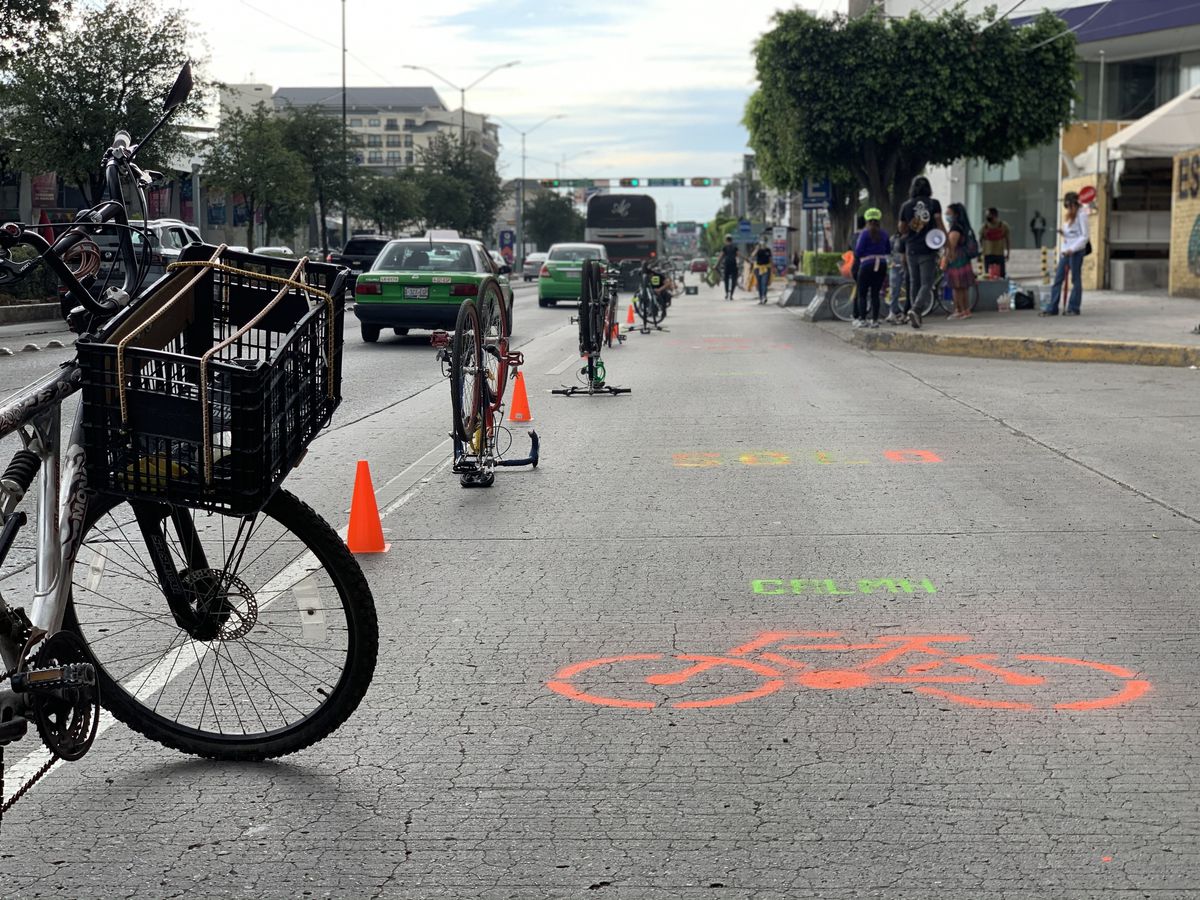
Latin America has a rich background of social movements and local organizations fighting against climate change while addressing issues of inequality. Recognizing the contributions of existing and emerging practices and embracing the capacity of other actors outside of government creates opportunities to jointly think, build and manage cities in a more sustainable, resilient and just way.