

Empty beaches, sublime surf, artist colonies and temples on the mountain. These are the eight Mexican towns that go unnoticed, but that you should have on your list.
Holbox
Just off the northern coast of the Yucatan Peninsula, where the Caribbean Sea meets the Gulf of Mexico, Holbox is a laid-back little piece of car-free land and one of the few areas that still doesn’t have all-inclusive resorts. . It’s a 2.5-hour drive from Cancun to the small port town of Chiquila, and then a 20-minute ferry ride, but once you get off the boat, it’s well worth the drive. Golf carts and bikes zip along the narrow sandy streets, past its mint, tangerine, and salmon-colored buildings with thatched roofs, and nature takes center stage as you spend your days searching for flamingos, swimming with whale sharks, and traversing verdant mangroves. kayaking. But, if you prefer to stay on the white sand with a daisy in hand,
All Saints
Todos Santos, located 75 km north of Cabo, is a small community that combines artists with surfers in a relaxed bohemian atmosphere. Squeezed between the slopes of the Sierra de La Laguna mountain range and a wide stretch of undeveloped coastline (the Pacific surf is pretty rough), this low-key desert oasis has plenty of options for outdoor adventure and wellness (they take yoga classes on Mondays, Wednesdays and Fridays at La Arca). Go hiking, horseback riding, surfing and much more with Todos Santos Eco Adventures. Did you get hungry? Head to La Casita Tapas and Wine Bar for delicious soups, salads and seafood with ingredients straight from the farm.
Sayulita
Wake up, swim, surf, eat ceviche, drink Micheladas, repeat. This quiet beachfront spot 40km northwest of Puerto Vallarta used to be a small fishing village, but word got out about the great waves this part of the Nayarit coast has to offer and from then on it became a magnet for both surfers and surfers alike. like for hipsters Spend your days eating freshly made dishes at The Real Fish taco (while washing them down with a Pacifico, of course), and keep cool with fruit smoothies, popsicles and ice cream at Heladeria Wakika. Prefer to stay on land? Hang from the trees on a zip line tour, play a round of golf, go bird watching (more than 350 species are found in the area) or sign up for a yoga class.
Taxco
Don’t miss this silver-mining town southwest of Mexico City for its exquisitely preserved colonial architecture, whitewashed buildings with terracotta roofs, and steep cobblestone streets. What is there to do there? Take the time to see the Santa Prisca Cathedral, built in the 1950s in the famous Plaza Borda, which is one of the best examples of Mexican Baroque architecture. Another popular stop is Cristo de Taxco (the people’s response to Rio de Janeiro’s Christ the Redeemer), which was built in 2002 and offers an impressive view of the surrounding mountainous landscape.
Hidden port
The beach town of Puerto Escondido attracts surfers from all over the world (Playa Bacocho, Playa Carrizalillo, and Playa Zicatela are three of the best beaches in Oaxaca). But you don’t have to be a surfer to have a good time, you can fish, stand up paddle board, kayak, scuba dive, snorkel and raft the rapids on the Copalita River. For an otherworldly experience, book a night tour of the bioluminescent Manialtepec Lagoon and swim in its shimmering waters while encountering countless different species of birds (including egrets, pelicans, black-necked storks, and blue herons). ). Are you ready for dinner and drinks? Make reservations at Espadin, where your meal is accompanied by the best sunsets in the area.
Tepoztlan
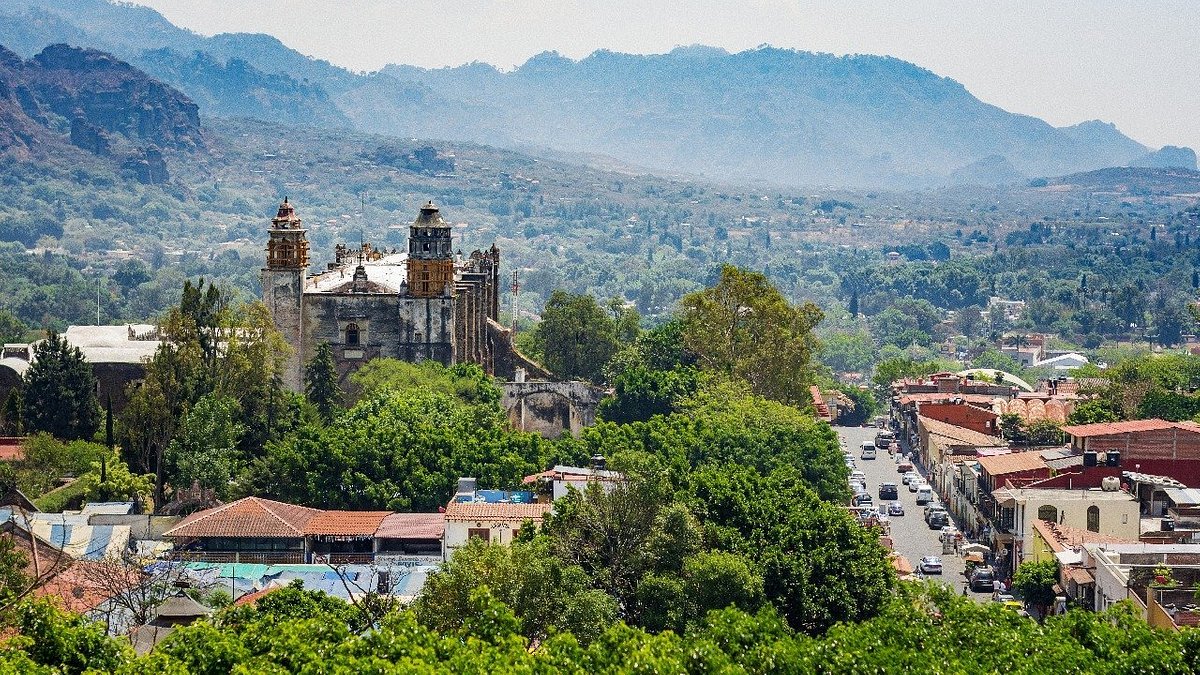
An hour and a half south of the capital is the charming village of Tepoztlan. It is famous for the Tepozteco mountain, where the eponymous temple still stands on its peak. It was built between 1150 and 1350 AD to pay homage to Tepoztecatl, god of Pulque (an alcoholic drink made from the beloved agave sap) and the climb to the top takes about an hour and a half. Be sure to see the Ex-Convento Dominico de la Natividad (a monastery built by Dominican priests in the 16th century) and the Carlos Pellicer Museum, which houses the archaeological collection of the poet Carlos Pellicer Camara from the state of Tabasco in Mexico. And if you’re looking for something to eat, head straight to chef Marta Garcia-Lopez’s restaurant, El Ciruelo,
San Cristóbal de las Casas
In the 19th century, San Cristobal de las Casas was the capital of the state of Chiapas, in Mexico, and after it was transferred to Tuxtla Gutierrez, this great colonial town faded into the background until the explosion of tourism in the 20th century. While you’re here, visit the Temple of Santo Domingo (and the adjoining chapel, the Chapel of the Virgin of the Rosary), the Na Bolom Museum, which was created in 1950 by Danish archaeologist Frans Blom and Swiss photographer Gertrude Duby to preserve and honor the cultural heritage of Chiapas. Other points of interest are the Museum of Mayan Medicine and the market for jewelry, handicrafts and handmade textiles. If you got hungry while shopping, stop at La Lupe for mouth-watering tacos, guacamole and margaritas.
Guanajuato
North of Mexico City, Guanajuato, a UNESCO World Heritage Site, was founded in 1559 and later transformed into a mining town thanks to its vast amounts of gold and silver. It is surrounded by the Sierra de Guanajuato mountains and has a European atmosphere, with its sumptuous baroque and neoclassical buildings, its tree-lined plazas and cobbled streets lined with cafes, museums and theaters. Highlights: The annual Cervantino festival held in October featuring artists, bands, opera singers, dancers and more performing in front of locals and tourists.


