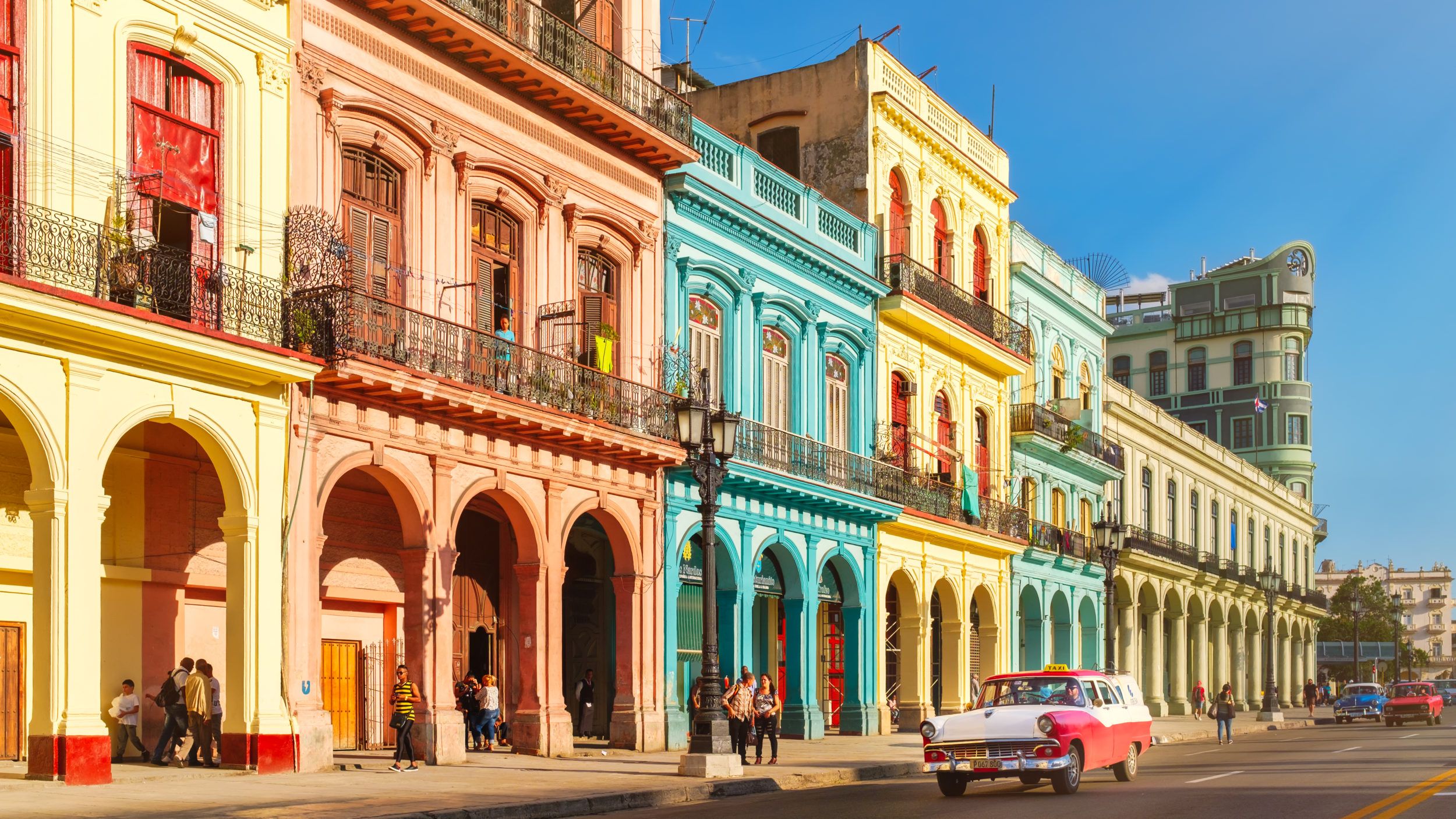
All my life I have wanted to travel to Cuba. As a child I had read a thousand stories about this island: old convertibles, street music, Che Guevara and the revolution, rum, Fidel, its beaches, Hemingway, Havana cigars… so when I had the slightest opportunity, I threw myself into the adventure without thinking about it. In addition, Fidel Castro was still alive and it used to be said that when he died the island would change radically in every way.
Well, coincidences of life, it was landing in Cuba with Fidel alive and, when we left the island nine days later, he was dead… That’s why we couldn’t see or live the “Classic Cuba” I guess, but we did one of the most emblematic moments of this country: we made the trip immersed in national mourning. Not many people will be able to say the same.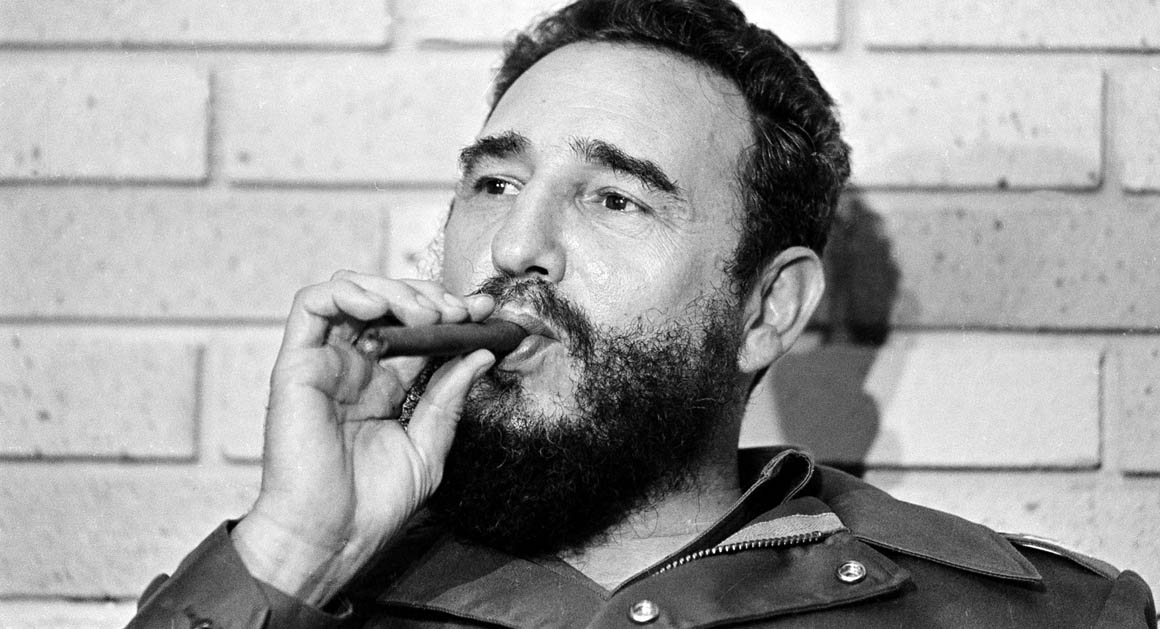 Fidel Castro, the president of Cuba.
Sleep in Cuban houses
As I have mentioned, our goal was to experience Cuba in the most real way possible. No tricks or cardboard. When I speak of Cuban houses, also called private houses , it means that in most cases you will stay in a private room with a bathroom and towels in the house of a Cuban resident.
It all starts in Havana
In the capital you cannot miss the walk through Old Havana, declared a World Heritage Site by UNESCO, and through its squares: Plaza de Armas, Plaza de la Catedral, Plaza de San Francisco, Plaza Vieja (in the same square you will find the factory of beer, try the beer with mojito!), without forgetting Calle Obispo with the famous Bodeguita del Medio and El Floridita.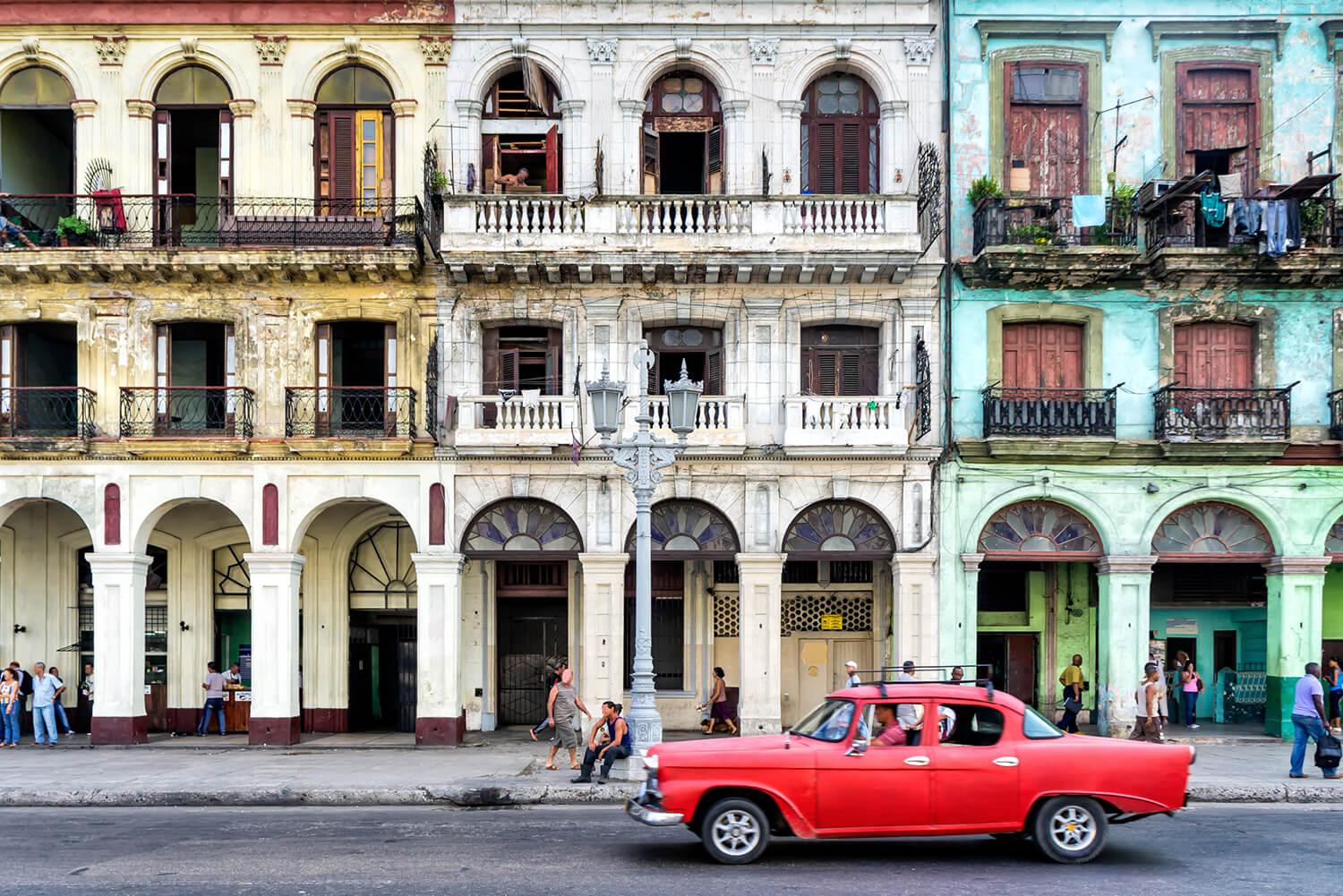 Old Square in Havana, Cuba.
If you have time, don’t forget either Vedado with its Callejón de Hamel , the walk along the Malecón, the impressive Hotel Nacional, the emblematic Museum of the Revolution, the imposing Plaza de la Revolución, or the “Bosque de la Habana” – tropical jungle in the middle of the city with the Almendares River, which is part of the great Metropolitan Park of Havana.
Beaches
It is well known that the most amazing beaches in Cuba are far from Havana. But of course we are talking about the best beaches on the planet. 30 minutes from the capital there are also highly recommended beaches: the “beaches of the east” for example, such as Bacuranao, Santa María del Mar, Megano or Guanabo , have the sand and turquoise waters of those on a postcard. And you can get there by bus in just 30 minutes (for 5 CUC) or by taxi from downtown Havana.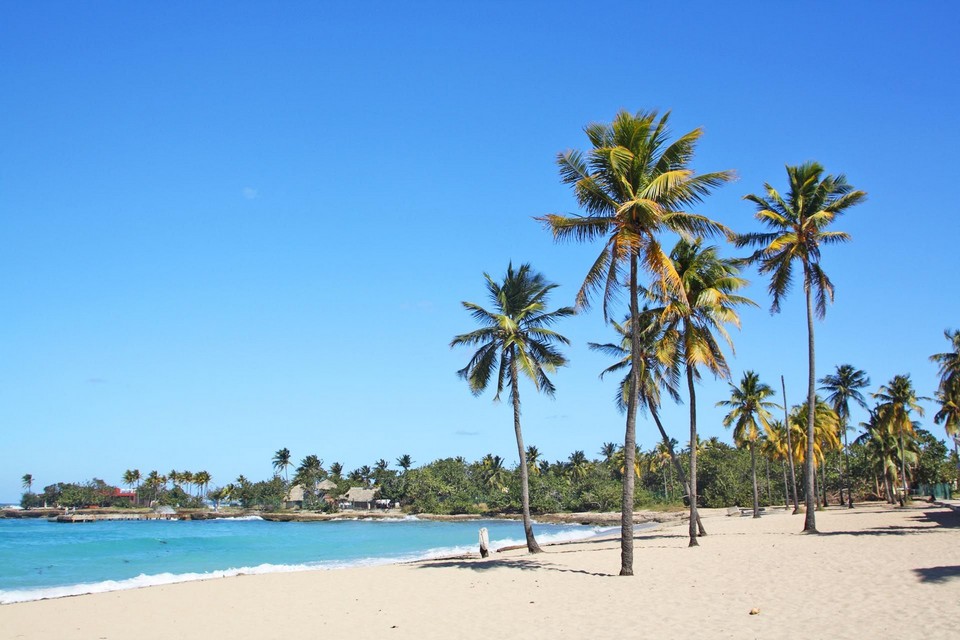 Bacuranao beach, Cuba.
To Viñales by van
From Havana, we hired two endearing gentlemen (uncle and nephew) who had a family business consisting of renting a van with a driver (we looked like the Scooby Doo team). 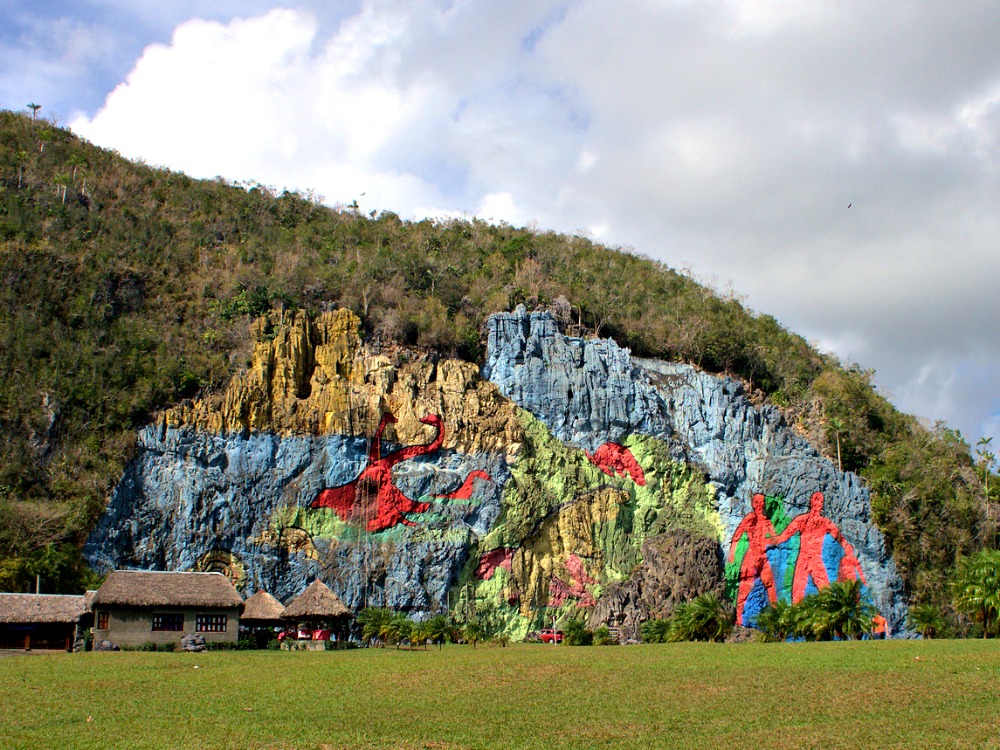 The Mural of Prehistory, Viñales, Cuba.
And, in the end, we traveled with them through much of the island. Keep in mind that getting into a car in Cuba is already an adventure in itself : the models are impressive, but it is not always easy to get spare parts in case of breakdown, so every trip can become a memorable experience ( although that is another story that would give for another report).
Remedios
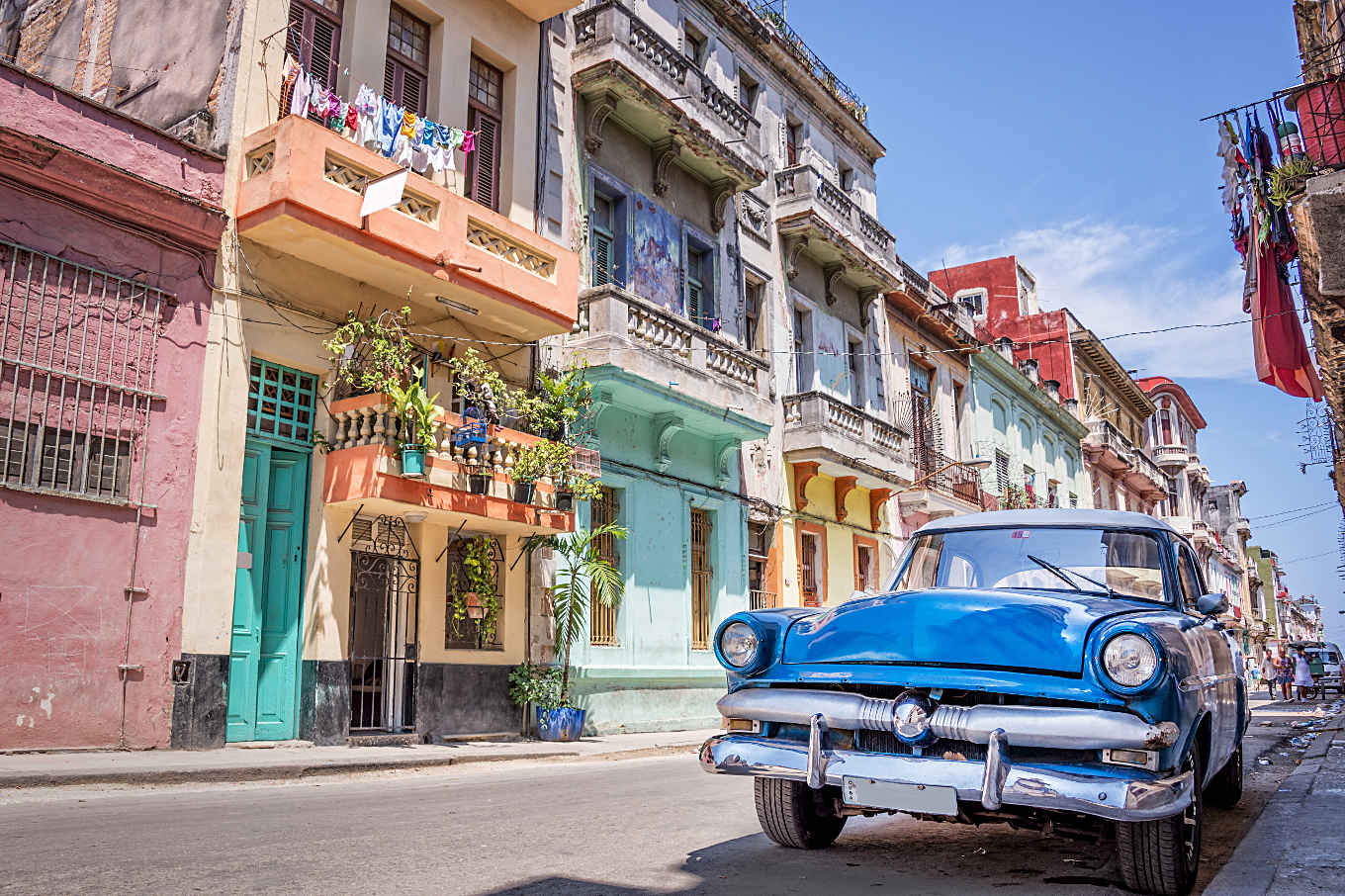 Remedios, Cuba.
Remedios, in the province of Villa Clara, has a very particular and “very local” charm. They say that it is not very touristy , that it is not a very common stop on typical routes. This population has its own life, a radiant life, a picturesque colonial style. Not in vain, its historic center was declared a National Monument in 1980.
Cayo Coco all inclusive
From Remedios we took a taxi to Cayo Coco, perhaps the most touristy part of our trip, but worth it after days of backpacking. The keys are those dream beaches to which you always want to escape to disconnect from everything.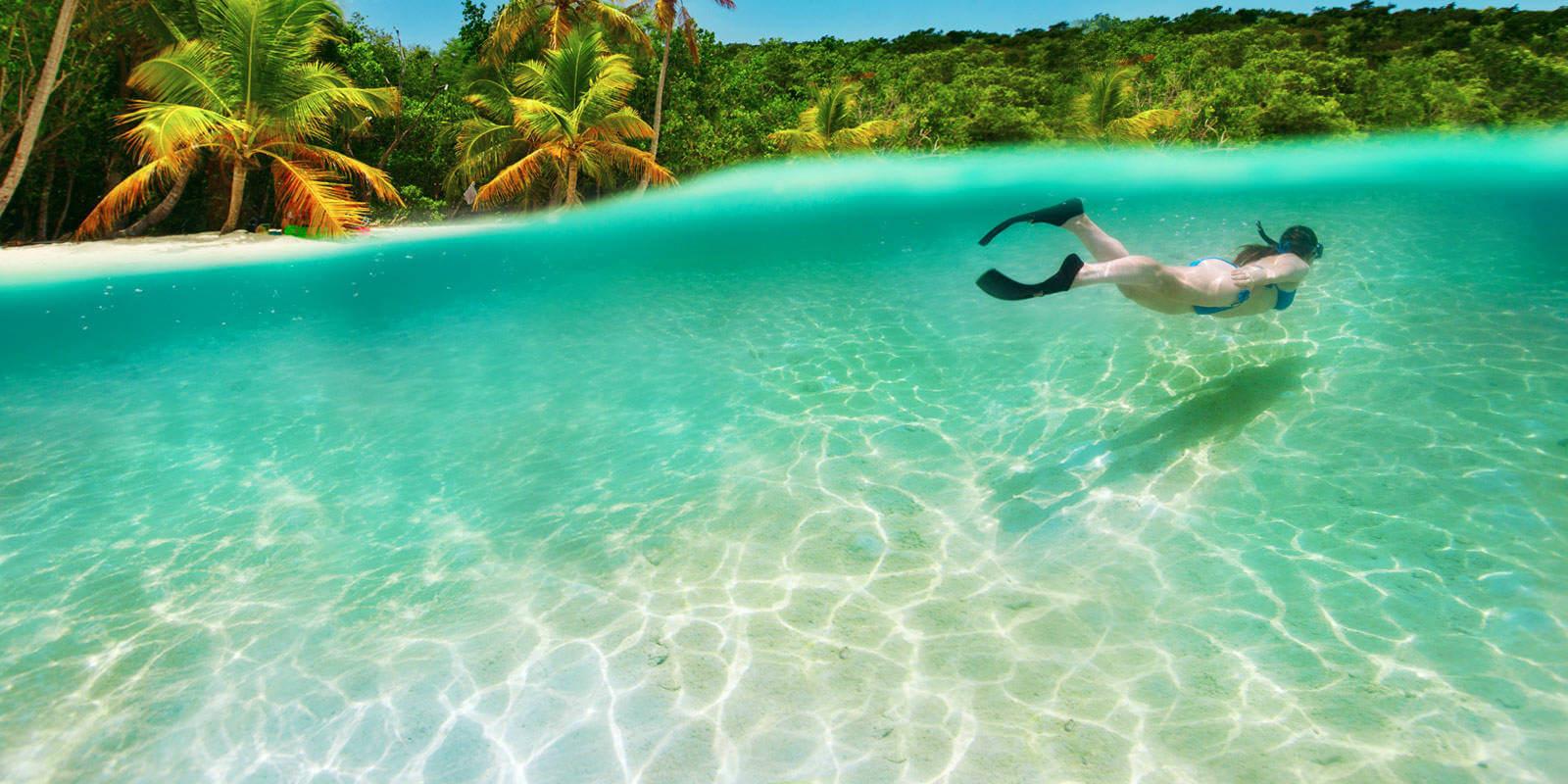 Cayo Coco, Cuba.
The beach that we had in front of our rooms was just as we had dreamed: with silky white sand and endless turquoise waters. A paradise where you can not do anything other than relax. Obviously, it is also possible to carry out excursions and activities in the area, since there is no shortage of proposals.
Caibarién, the most homemade Cuba
From Cayo Coco we went by taxi to Morón and, from there, to Caibarién. It is probably the most authentic town that exists in all of Cuba and, as Lonely Planet indicates: “it is an ‘authentic’ corner of Cuba that the authorities forgot to camouflage for tourists.” Picturesque and humble would be the two adjectives that best define Caibarién. 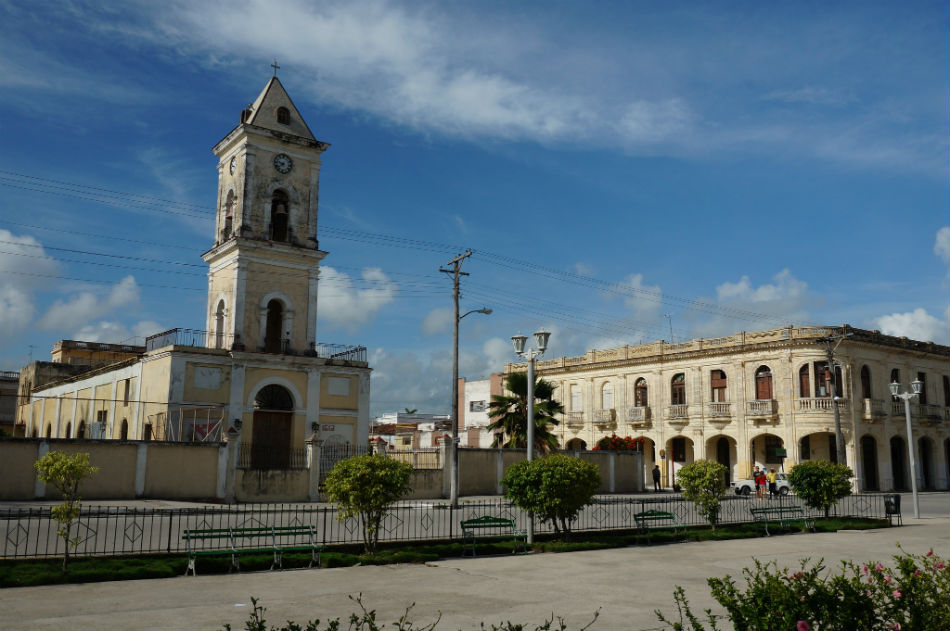 Caibarien, Cuba.
In Caibarién we were also very lucky when it came to food: the mother of the girl who rented us the rooms is a lady who caters for the whole town; she is known for her homemade dishes. So obviously we couldn’t do anything but have dinner at her house every night. Another reason to visit Caibarién is that it is very close to the famous Cayo de Santa María. We took the opportunity to spend a day at Gaviota beach (doing the round trip by taxi). This is the wildest beach on the key, as well as the least touristy.
The vibrant Old Havana
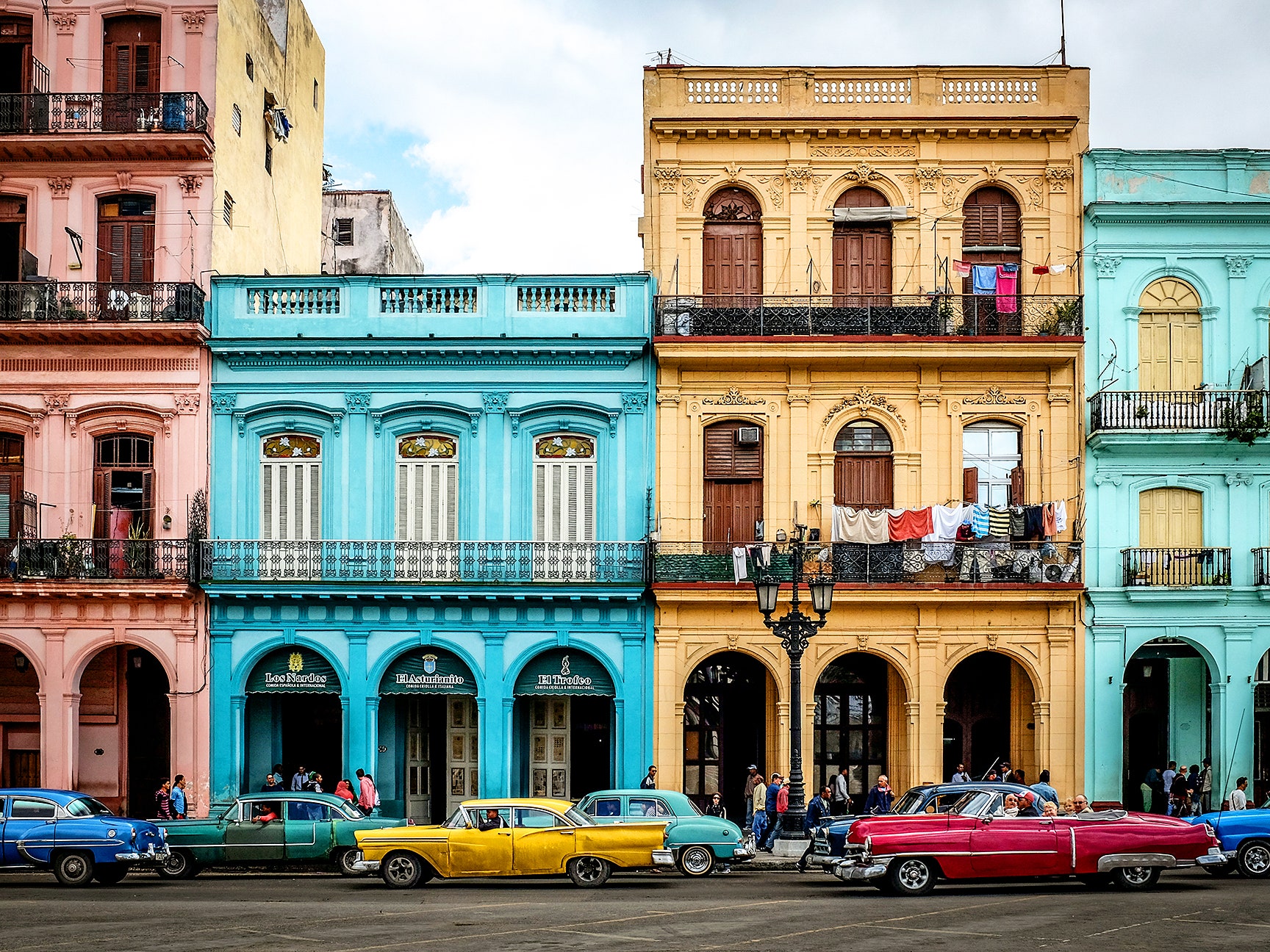 Old Havana, Cuba.
And after our stay in Caibarién, back to Havana again. Of course, since it was the last night in the capital (the end of the trip) we stayed in Old Havana, since we wanted to experience the vibrant city to the fullest at the end of the adventure after nine days of silence experienced by national mourning . Then we return to Spain after two intense weeks of an adventure that we will never forget.